
Planting
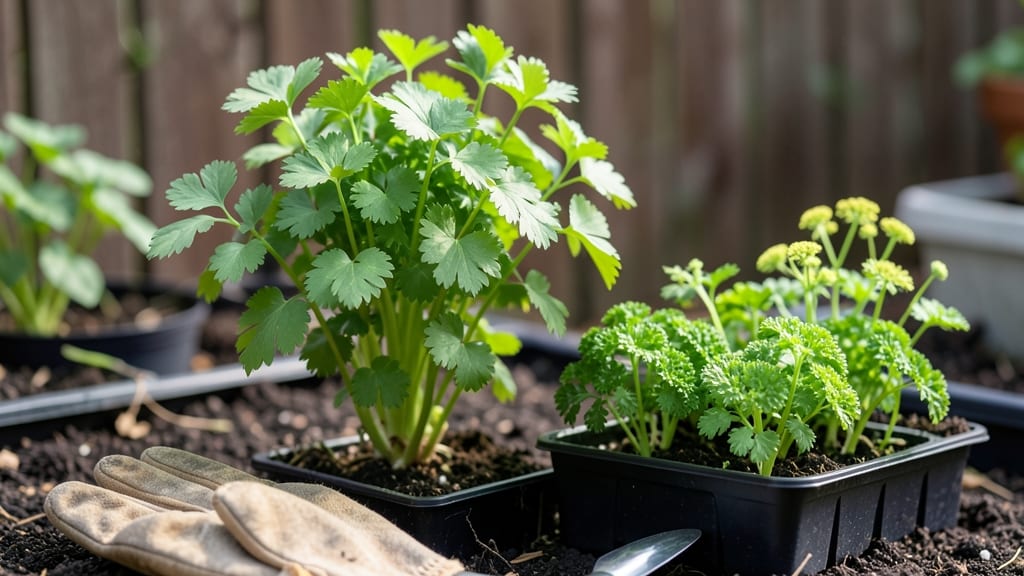
Parsley planting tips feel like cheating—it thrives with almost no effort once you get the basics right. 🌿 The secret lies in rich soil, consistent moisture, and just enough sunlight to keep it happy without burning it. I’ve grown parsley in both garden beds and containers, and the difference between a struggling plant and one that flourishes comes down to these simple steps. Start with well-draining soil mixed with compost, plant seeds ¼-inch deep and 12 inches apart, and keep them moist until germination. Once sprouted, parsley loves 4-6 hours of sunlight daily but tolerates partial shade—perfect for understory spots. Water at the base to avoid fungal issues, and you’ll have lush, fragrant leaves in about 6-8 weeks. The best part? It keeps producing all season long.
📚 In This Guide
- What you need
- Instructions
- Tips and common mistakes
- Wrapping up and next steps
What you need
- ● Parsley seeds or seedlings: Choose between flat-leaf (Italian) or curly-leaf varieties. Start with 1–2 seed packets (≈100–200 seeds) or 3–5 healthy seedlings for a small harvest.
- ● Well-draining potting mix: 5–10 gallons of organic, peat-free soil (or a blend of 60% garden soil + 40% compost).
- ● Containers or garden bed: For containers: 5–7-inch-deep pots (minimum) with drainage holes. 1–2 plants per 6-inch pot.
- ● For in-ground planting: A sunny spot with loose, fertile soil (6+ hours of sunlight daily).
- ● Watering can or hose with a gentle spray nozzle: Keep soil moist but not soggy.
- ○ Organic fertilizer (optional but recommended): A balanced 10-10-10 or fish emulsion (diluted per package instructions).
- ● Garden trowel or small shovel: For transplanting seedlings or digging holes.
- ● Pruning shears or clean scissors: To snip stems for harvesting or trimming.
- ○ Gloves (optional): Protect your hands from soil and thorns (especially curly parsley!).
- ● Mulch (straw or shredded leaves): 1–2 inches to retain moisture and suppress weeds.
- ● Timing: Plant seeds indoors 8–10 weeks before last frost or directly outdoors after soil warms to 40°F+ (spring/fall). Seedlings tolerate light frosts!
- ● pH level: Aim for 6.0–7.0 (test soil with a kit or amend with lime if needed).
- ● Sunlight: Full sun (6+ hours/day) for best growth. Partial shade (4–6 hours) works in hot climates.
Step-by-Step parsley planting for a lush, low-maintenance herb garden
Parsley thrives with just a few key techniques—here’s how to grow it strong with minimal fuss.
🌱 Step 1: Choose the Right Location and Prepare the Soil
Parsley prefers partial shade to full sun, with at least 4-6 hours of morning sunlight to prevent bolting in hot climates. I always plant mine near the kitchen door so I can snip fresh leaves daily without trekking across the yard. The soil should be well-draining but rich in organic matter—parsley hates soggy roots, so amend heavy clay with 2-3 inches of compost before planting.
Work the compost into the top 6 inches of soil and rake smooth. The goal is loose, crumbly soil that holds moisture without compacting. If your soil is sandy, mix in a handful of peat moss to retain water; if it’s clay-heavy, add perlite for aeration. A soil pH of 6.0-7.0 is ideal—test with a simple kit if unsure.
🌱 Step 2: Plant Seeds or Transplants at the Right Time
Parsley grows best from seed, which germinates slowly—2-3 weeks—so start indoors 4-6 weeks before your last frost or sow directly in spring after soil warms to 50°F. Plant seeds ¼ inch deep, spacing them 12-18 inches apart for flat-leaf varieties or 6-12 inches apart for curly parsley. I like to sow seeds in clusters of 3-4, then thin to the strongest seedling once they reach 2 inches tall.
Transplants should go in after the last frost when soil is at least 55°F. Handle seedlings by the leaves (never the stems) to avoid damaging the roots. Water deeply after planting to settle the soil around the roots—this prevents air pockets that stunt growth.
💧 Step 3: Water Consistently and Mulch to Retain Moisture
Parsley needs 1 inch of water per week, but it’s better to water deeply 2-3 times per week than daily shallow waterings. The key is keeping the soil evenly moist but never soggy—drought stress causes bitter leaves, while overwatering leads to root rot. Water at the base, avoiding the foliage to prevent fungal diseases like powdery mildew.
After watering, spread a 2-inch layer of mulch (straw or shredded leaves work well) around the plants. This keeps roots cool, locks in moisture, and suppresses weeds. Replenish mulch as it breaks down—it’s one of the easiest ways to reduce watering effort.
☀️ Step 4: Provide Light and Fertilize for Vigorous Growth
Parsley grows best in bright, indirect light, especially in hotter climates where direct afternoon sun can scorch leaves. If your garden gets intense afternoon heat, provide light afternoon shade during peak summer months. You’ll notice leaves turning pale or crispy at the edges—this is your cue to move the plant to a shadier spot.
Feed parsley lightly with a balanced, water-soluble fertilizer (10-10-10) every 4-6 weeks during the growing season. Over-fertilizing leads to leafy growth at the expense of flavor. I also top-dress with compost tea mid-season for a gentle nutrient boost without risking salt buildup.
✂️ Step 5: Harvest and Prune for Continuous Growth
Start harvesting parsley 60-70 days after planting by snipping outer leaves just above a pair of leaf nodes. This encourages bushier growth and prevents the plant from flowering too soon. I harvest every 2-3 weeks, always leaving at least half the plant intact so it can regenerate.
If parsley bolts (sends up a flower stalk), cut it back to the base—sometimes the plant will regrow, but flavor declines as it matures. To extend the season, replant seeds every 2-3 weeks in spring and early summer for a continuous harvest.
Tips & tricks for perfect parsley planting
Here’s what I’ve learned the hard way about growing parsley that stays lush and flavorful with minimal fuss.
Location and Soil Prep: The 4-6 hours of morning sunlight mentioned in Step 1 is non-negotiable for preventing bolting, but I’ve found that adding a 1-inch layer of coarse sand to sandy soils helps retain moisture better than peat moss. For clay-heavy soils, mix in perlite right before planting—this creates tiny air pockets that improve drainage without needing to dig deeper than the top 6 inches. I also test soil pH with a simple kit; if it’s off, a handful of lime (for acidic soil) or sulfur (for alkaline) brings it into that 6.0-7.0 range faster than waiting for natural adjustment.
Seed Starting Strategy: Parsley’s 2-3 week germination period can feel like forever, so I start seeds indoors under grow lights to give them a head start. Plant them in biodegradable pots so you can transplant directly into the garden without disturbing roots. If sowing directly, mark seed locations with small sticks so you don’t accidentally disturb them during thinning. The 4-6 week indoor start time before last frost is perfect for most climates, but I adjust to 6-8 weeks in colder regions where springs are later.
Watering Wisdom: The 1 inch of water per week guideline works, but I’ve learned to check soil moisture with my finger—if the top 1 inch feels dry, that’s your cue to water. Mulching with straw (not wood chips, which can compact) creates a natural barrier that reduces evaporation by up to 40%. I also water in the early morning so leaves dry quickly, preventing fungal diseases like powdery mildew that love damp foliage. A drip irrigation system set on a timer makes this effortless once installed.
Harvesting Hack: When harvesting every 2-3 weeks as suggested, I always cut just above a pair of leaf nodes to encourage bushier growth. For a continuous supply, I plant new seeds every 2-3 weeks in spring—this creates overlapping harvest windows. If parsley bolts, cutting back to the base sometimes triggers new growth, though flavor may diminish. I’ve found that harvesting in the morning after dew has dried preserves the most vibrant color and flavor.
Pro Tips for Parsley Planting Tips
- Here’s what I’ve learned the hard way about growing parsley that stays lush and flavorful with minimal fuss.
- Location and Soil Prep: The 4-6 hours of morning sunlight mentioned in Step 1 is non-negotiable for preventing boltin...
- Seed Starting Strategy: Parsley’s 2-3 week germination period can feel like forever, so I start seeds indoors under g...
Frequently asked questions
Got questions about growing parsley? You’re not alone! Here are answers to the most common concerns—so you can plant with confidence and minimal fuss.
When is the best time to plant parsley?
The ideal window is early spring (after the last frost) or late summer (6-8 weeks before your first frost). For warm climates, parsley thrives year-round! Start seeds indoors 8-10 weeks before transplanting for a head start. Pro tip: If you live in Zone 9+, you can plant parsley in fall too!
How deep should parsley seeds be planted?
Parsley seeds need light to germinate, so only cover them with 1/8 inch of soil (or sprinkle a thin layer of compost). Press gently to ensure contact, then keep the soil moist until sprouts appear (usually 2-3 weeks). No need to bury them deep!
Why isn’t my parsley growing? (Slow or no germination)
Parsley seeds are notorious for slow germination—don’t panic! Common culprits:
- Cold soil: Keep seeds warm (70°F+ for best results). Use a seedling heat mat if needed.
- Dry soil: Mist daily until sprouts emerge.
- Old seeds: Replace seeds if older than 1 year (viability drops fast!).
If all else fails, try soaking seeds overnight in warm water before planting.
Can I grow parsley in containers? What’s the best pot size?
Parsley adapts well to containers. Use a pot at least 12 inches deep (deeper = happier roots) with drainage holes. A 5-6 gallon container works for 3-4 plants. Ensure it gets 6+ hours of sunlight daily—parsley hates shade!
How do I harvest parsley without killing the plant?
Harvest leaves from the outer edges first to encourage bushier growth. Snip stems just above a leaf node (where new growth appears). Avoid cutting more than 1/3 of the plant at once. For flat-leaf parsley, you can also pinch off flower buds to redirect energy to leaf production. Bonus: Regular harvesting keeps parsley flavorful and tender!
What can I plant with parsley to deter pests?
Parsley’s natural pest-repelling allies include:
- Chives or garlic: Deter aphids and spider mites.
- Marigolds: Confuse pests with their scent.
- Basil: Improves growth and deters flies.
Avoid planting near celery or carrots—they’re in the same family and can compete for nutrients.
Wrapping up and next steps
Growing parsley is easier than you think—just follow these simple planting tips to enjoy fresh, flavorful herbs all season long! 🌱 Whether you’re a beginner or a seasoned gardener, parsley thrives with minimal effort, especially when you prioritize well-draining soil, consistent moisture, and partial sunlight.
With a little patience (and maybe a pinch of patience for those slow-starting seedlings), you’ll be harvesting vibrant bunches in no time.
Ready to level up your herb garden? Start by revisiting the planting steps or explore common questions to troubleshoot any challenges. Soon, you’ll be garnishing dishes with your homegrown parsley like a pro—bonus points for sharing your harvest with friends! 😊