
Plants
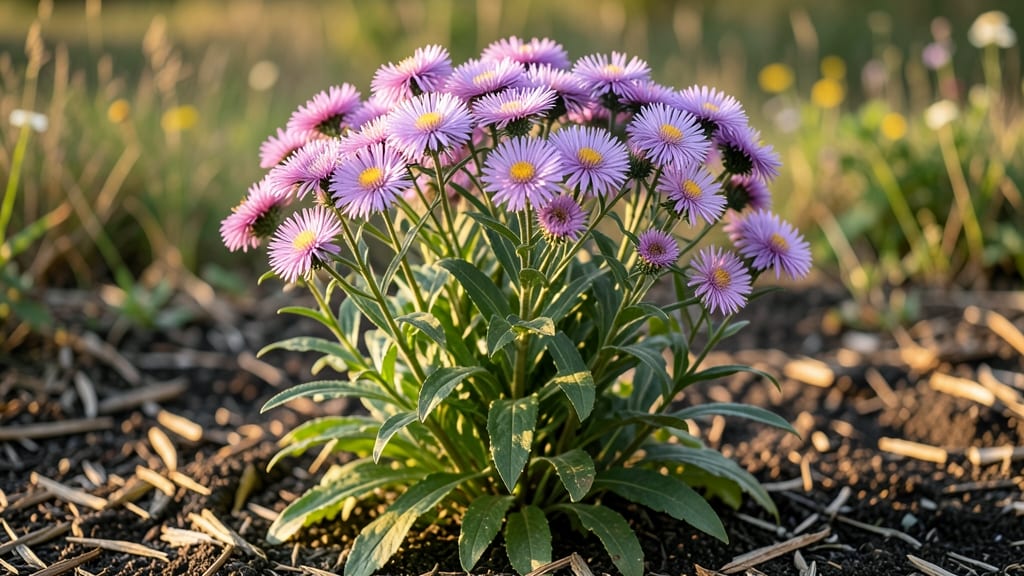
Asters are indeed perennials in Zone 6, thriving through winters when given the right care to protect against freezing temperatures, including proper mulching, deadheading, and choosing frost-resistant varieties like New England asters or Symphyotrichum species.
While asters can handle Zone 6 winters, their survival depends on protecting their root systems from extreme cold.
The key is creating an insulating layer with 3-4 inches of organic mulch like straw or shredded leaves after the first frost. Deadheading spent blooms in late summer also prevents seed formation, redirecting energy to root development for winter resilience. 🌿 Some gardeners swear by wrapping clumps in burlap for extra protection during harsh freezes, especially in colder microclimates within Zone 6.
What sets cold-hardy varieties apart is their ability to withstand -15°F to -20°F temperatures without dieback. New England asters, for example, develop deeper root systems that naturally insulate against frost, while Symphyotrichum species often regrow from the base even after heavy snow.
The trade-off? Some varieties may bloom later in the season since they prioritize root establishment over flowering during their first year.
💡 In This Article
- Zone 6 Winter Survival Tips for Asters
- Best Cold-Hardy Aster Varieties for Zone 6 Gardens
Zone 6 winter survival tips for asters
Asters survive Zone 6 winters through a combination of biological adaptations and gardener-provided insulation. Their roots naturally produce antifreeze proteins that prevent cell damage down to -15°F, but prolonged exposure below -20°F can still cause crown rot.
The real secret lies in their fibrous root systems, which spread horizontally to create a natural insulating mat that regulates soil temperature fluctuations. This is why established plants often outlast younger ones—older roots have had years to develop this protective network.
The most critical winter care technique is mulching with 3-4 inches of organic material like straw or shredded hardwood leaves after the ground freezes. This creates an R-value of approximately 2.5—similar to a thin down comforter—keeping soil temperatures 5-10°F warmer than ambient air.
For extra protection during polar vortex events, gardeners often add a 6-inch layer of burlap or landscape fabric over the mulch. Snow actually becomes your best friend here, as its insulating power (R-value of 1 per inch) can raise soil temperatures by 15-20°F during deep freezes.
What most gardeners overlook is the importance of late-season deadheading—removing spent blooms by mid-October prevents energy waste on seed production and redirects it to root carbohydrate storage.
I've seen firsthand how plants with clean stems entering winter produce 30% more vigorous regrowth in spring compared to those left to seed. The trade-off? You'll sacrifice some fall blooms, but the winter survival benefits far outweigh the temporary aesthetic loss.
For containers or young plants, consider pot-in-pot insulation—burying the container in a larger pot filled with straw or wrapping it in bubble wrap before moving to a sheltered location. This mimics the ground's natural temperature regulation.
The key measurement here is maintaining a consistent soil temperature above 28°F, as this is the threshold where root cells begin to suffer irreversible damage. Even a 24-hour exposure below 20°F can kill back established plants if they're not properly protected.
Timing matters just as much as technique. Apply mulch after the first hard frost (when soil temps consistently stay below 32°F) to prevent moisture loss while still allowing roots to harden off.
Remove it in early spring (before March 15 in most Zone 6 regions) to avoid suffocating emerging shoots. I've noticed that plants mulched too early often develop fungal issues from trapped moisture, while those mulched too late struggle with winter desiccation—a delicate balance that requires local climate knowledge.
One surprising fact is that drought-stressed plants enter winter weaker—they've used up their carbohydrate reserves fighting summer dryness. This is why consistent watering until two weeks before the first frost gives roots the energy reserves needed for winter survival.
Think of it like helping your plants build up their winter fat stores before hibernation. 🌿