
Flowers
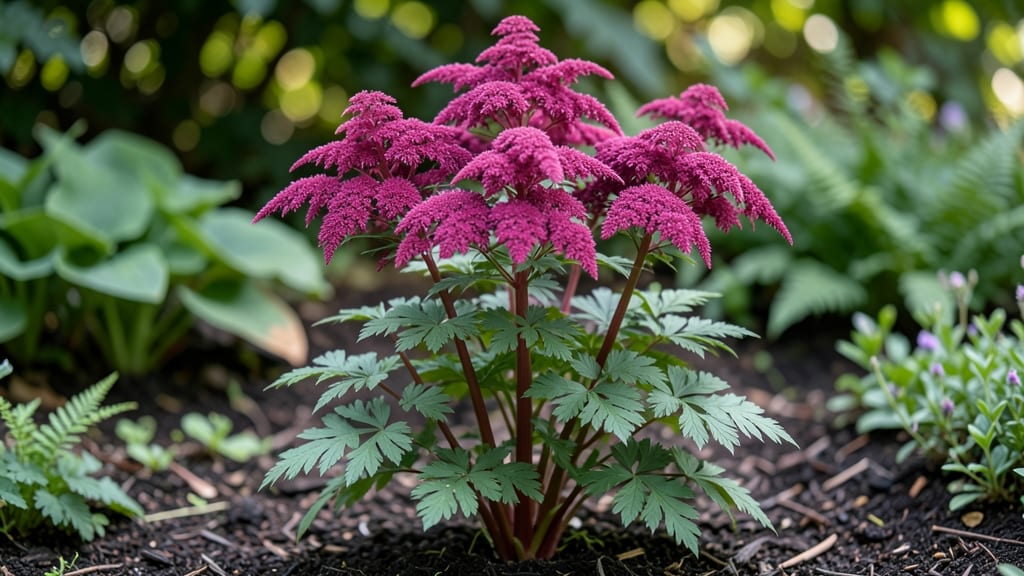
Growing astilbe in Zone 4 is absolutely doable with the right cold-hardy varieties and smart planting strategies: opt for hardy cultivars like 'Fanal' or 'Deutschland,' ensure well-draining soil with partial shade exposure, and protect roots with thick mulch during harsh winters. Always prune back dead foliage in early spring to encourage fresh growth.
Zone 4's colder winters can challenge astilbe, but these plants are tougher than many gardeners realize. 🌿 The key lies in selecting varieties bred for resilience—like 'Deutschland,' which survives down to -20°F—and mimicking their native woodland conditions with moist, well-draining soil.
I've found that adding a 4-inch layer of straw mulch in late fall creates an insulating barrier that prevents root damage during freeze-thaw cycles.
What sets astilbe apart is its ability to bounce back: even if the foliage browns in winter, the crown often survives to produce stunning plumes the following season.
💡 In This Article
- Cold-Resistant Astilbe Varieties for Zone 4 Gardens
- Zone 4 Planting and Winter Care Guide for Astilbe
Cold-resistant astilbe varieties for Zone 4 gardens
Zone 4's brutal winters demand astilbe varieties with built-in cold tolerance. The hardiest types, like 'Deutschland' and 'Fanal', can survive temperatures down to -20°F thanks to their compact growth habits and dense foliage that insulates the crown.
These cultivars develop thicker stems and deeper root systems compared to tropical varieties, allowing them to store more energy for spring regrowth. 🌟 The key difference lies in their genetic adaptation—where tropical astilbes might wilt at 28°F, these Zone 4 survivors maintain structural integrity through winter's harshest conditions.
Color performance also varies dramatically in cooler climates. 'Regina', with its deep pink plumes, thrives in Zone 4 because its pigments don't bleach out in intense sunlight like some southern varieties do. The plumes actually develop richer hues when grown in partial shade with consistent moisture.
What's fascinating is how these cold-hardy types maintain their vibrant colors even when temperatures fluctuate between 10°F and 50°F—a common spring pattern in Zone 4. For gardeners, this means less color fading and more reliable seasonal displays compared to heat-sensitive astilbes.
The growth habits of these varieties create a strategic advantage. 'Deutschland', for example, grows only 18-24 inches tall, which makes it less susceptible to wind damage during winter storms. Its bushy form also provides better snow insulation than taller, more upright varieties.
This compact structure allows gardeners to plant them closer together (12-18 inches apart) for maximum winter protection while still providing that lush, layered look in summer. The trade-off?
They may not reach the dramatic heights of tropical varieties, but their reliability in cold climates makes them worth the compromise.
What most gardeners don't realize is how these varieties' root systems adapt to freeze-thaw cycles. The hardiest astilbes develop a deeper taproot system that extends 6-12 inches below the soil surface, reaching moisture and stability that surface roots can't access.
This adaptation explains why they survive better in Zone 4's unpredictable winters—when the topsoil freezes and thaws repeatedly, these deeper roots maintain access to water and nutrients. 💛 For comparison, tropical astilbes often have shallower root systems that become vulnerable to winter desiccation.
Color consistency is another advantage of these cold-hardy varieties. While tropical astilbes might produce paler plumes in cooler climates, 'Fanal''s deep red flowers maintain their intensity because its pigments are more stable at lower temperatures.
This consistency means gardeners can count on vibrant displays year after year without worrying about color bleaching. The trade-off? These varieties may bloom slightly later in spring (2-3 weeks) compared to their tropical counterparts, but the reliability makes up for the delay.
For gardeners considering these varieties, here's what to prioritize: select plants labeled as Zone 3-4 hardy from reputable nurseries, as these have been bred specifically for cold tolerance. Avoid tropical varieties marketed for Zones 5-9, as they'll likely fail in Zone 4's winters.
The investment in cold-hardy astilbes pays off in their ability to return year after year with minimal winter care—something that can't be said for many other perennials in harsh climates. ✨