
Advice
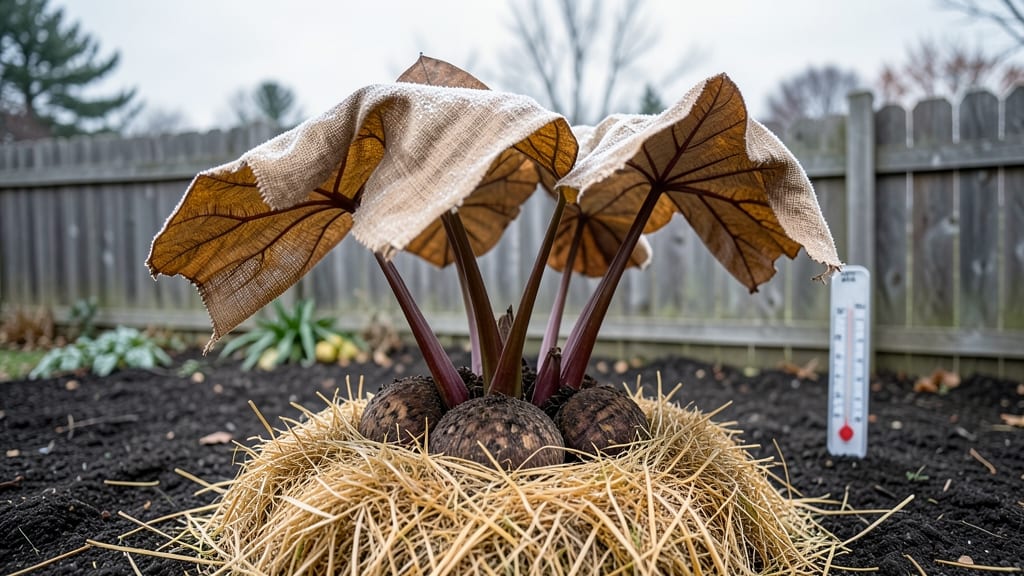
Elephant ears can survive winter in Zone 6 with the right preparation: select frost-resistant types such as Alocasia polly or Colocasia 'Black Magic', apply thick mulch before the first freeze, and shield leaves with protective coverings to avoid frost damage. In severe cold, you'll likely need to dig up and store tubers indoors.
Zone 6 winters present unique challenges for elephant ears, but these tropical plants can thrive with smart planning. 🌱 The key lies in choosing varieties bred for colder climates—their thicker tubers and smaller leaves handle frost better than standard types.
I've found that adding 6-8 inches of straw mulch around the base creates an insulating barrier that prevents soil temperature swings, while wrapping plants in frost cloth adds an extra layer of protection against sudden drops below 20°F.
For gardeners in Zone 6's colder microclimates, lifting tubers and storing them in dry peat moss at 45-50°F ensures they survive until spring planting.
💡 In This Article
- Cold-Hardy Elephant Ear Varieties for Zone 6 Gardens
- Step-by-Step Winter Protection for Elephant Ears in Cold Climates
Cold-hardy elephant ear varieties for Zone 6 gardens
Not all elephant ears tolerate Zone 6 winters equally—some varieties thrive while others succumb to frost.
The most resilient types, like Alocasia polly, boast smaller leaves and thicker tubers that store more energy, allowing them to withstand brief dips to 15°F without major damage. Colocasia 'Black Magic', another top performer, features deep purple foliage and tubers that can survive 20°F temperatures when properly mulched.
These varieties outperform tropical types like Colocasia 'Illustris', which typically die back completely below 28°F.
The secret lies in their leaf structure and tuber depth. Cold-hardy varieties develop leaves that fold more tightly, reducing surface area exposed to frost. Their tubers also grow deeper—often 6-8 inches below soil—where ground temperatures stay 10-15°F warmer than air.
For comparison, standard elephant ears have tubers only 3-4 inches deep, making them vulnerable to freeze-thaw cycles that crack the soil and expose them to colder air.
If you're choosing plants in fall, look for labels specifying "cold-hardy" or "Zone 5-6" tolerance. Nursery staff often recommend these varieties for northern gardens, and they typically cost 10-20% more than tropical types—but the investment pays off in spring regrowth.
I've seen Alocasia polly emerge from mulch as early as late March in Zone 6, while non-hardy types often take until May to show new growth.
For gardeners with microclimates that dip below 10°F, even cold-hardy varieties may struggle. In these cases, consider Colocasia 'Fontanesii', which has a slightly broader hardiness range but still benefits from winter protection.
The key difference? Its leaves yellow and die back earlier, signaling the plant to conserve energy in its tuber rather than risking frost damage.
One common misconception is that all elephant ears behave the same in winter. In reality, their survival depends on three critical factors: leaf size (smaller = better), tuber depth (deeper = warmer), and root system density (thicker = more insulation).
For example, Alocasia 'Josephii' has beautiful patterned leaves but only tolerates 25°F—making it a poor choice for Zone 6's coldest winters.
When selecting plants, prioritize varieties with dark green or purple foliage—these often indicate thicker leaves that handle frost better than pale green types.
Always inspect the tubers at purchase: larger, firm tubers with 1-2 inch diameters store more energy for spring regrowth, while small, shriveled ones may struggle to recover after winter.