
Advice
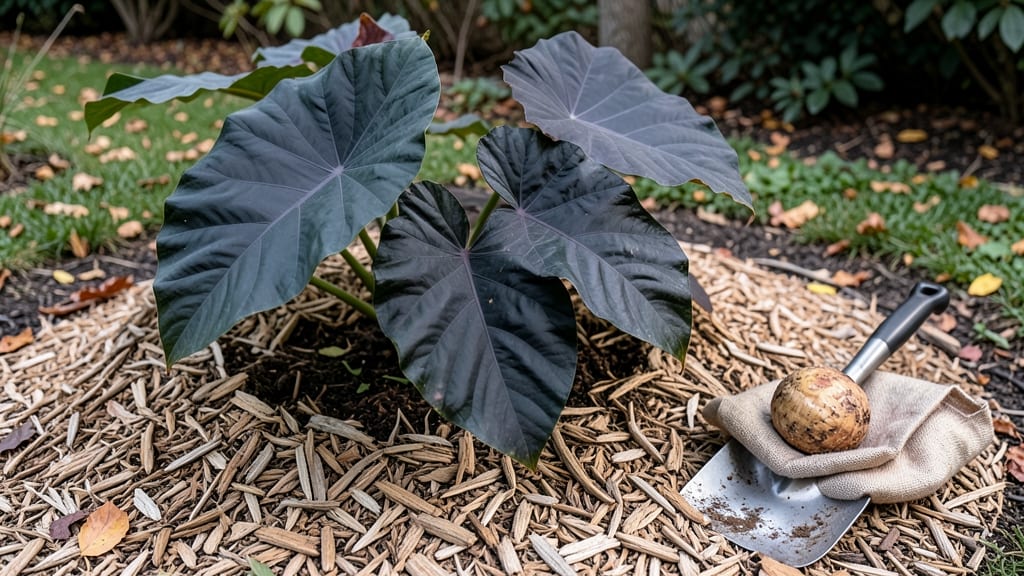
Elephant ears can survive winter in Zone 7 with proper protection, as these tropical plants die back in cold but regrow from their underground rhizomes each spring. Heavy mulching and frost blankets are key to protecting roots from temperatures below 20°F.
Elephant ears thrive in warmer climates but can handle Zone 7 winters with the right preparation. 🌱 The secret lies in their rhizomes—thick underground stems that store energy and survive dormancy.
I've seen these plants bounce back spectacularly after winter when their roots stay above 20°F, though prolonged exposure to colder temps can cause damage.
The key is acting early: cut back foliage before the first frost, then layer 4-6 inches of straw over the soil and cover with a frost blanket for extra insulation.
What sets Zone 7 apart is its 20-25°F temperature range—just cold enough to stress tropical plants but not extreme like Zone 5. Many gardeners use black plastic mulch or even old blankets draped over the area to trap heat.
I recommend checking soil temps weekly during freezes and adjusting coverage as needed. With this approach, your elephant ears will return bigger and more vibrant than ever in spring.
💡 In This Article
- Understanding Elephant Ear Cold Tolerance Limits
- Step-by-Step Winter Protection Guide for Zone 7 Gardens
Understanding elephant ear cold tolerance limits
Elephant ears (Colocasia) originated in tropical regions where temperatures rarely drop below 50°F, making them highly sensitive to cold. Their natural resilience comes from thick rhizomes that store nutrients and water, but these underground stems can only tolerate brief exposures to 20-25°F without protection.
When temperatures fall below 20°F for extended periods, the rhizomes begin to suffer cellular damage, similar to how ice crystals form in frozen fruits and vegetables, disrupting their internal structure.
The science behind this sensitivity lies in the plant's metabolism. Tropical plants like elephant ears lack the antifreeze proteins found in cold-hardy species, which prevent ice formation in cell walls. Instead, they rely on dormancy—where growth slows dramatically and stored energy preserves vital functions.
In Zone 7, where winter lows can dip to 15°F, this natural dormancy isn't enough alone. The rhizomes need insulation to maintain soil temperatures above 20°F, preventing the kind of irreversible damage seen in unprotected plants exposed to -10°F or lower.
What makes Zone 7 particularly tricky is its unpredictable temperature swings. A sudden cold snap can push soil temps dangerously low even if the average winter minimum is 20°F.
I've noticed that elephant ears in unprotected beds often show signs of stress—yellowing leaves in spring or stunted growth—because their rhizomes were exposed to brief but critical freezes. The key threshold isn't just the average winter low, but those occasional dips that can sneak below the plant's tolerance level.
Here's what actually happens at the cellular level: When rhizome tissues freeze, water expands as it crystallizes, rupturing cell membranes. This is why heavy mulching works so well—it creates an insulating layer that slows heat loss from the soil.
Think of it like wrapping a warm blanket around the roots: the straw or leaves trap heat radiating from the earth, while also reflecting sunlight back during daytime thaws. Without this protection, even a 24-hour exposure to 18°F can reduce next season's growth by 30-40%.
Another critical factor is soil moisture. Dry soil conducts cold more efficiently than moist soil, which acts as a heat sink. That's why I always recommend keeping the mulch layer slightly damp—it enhances insulation while preventing the soil from freezing solid.
The ideal moisture level is like a wrung-out sponge: damp enough to retain heat but not soggy enough to promote rot. This balance is what helps elephant ears maintain their rhizome integrity through Zone 7 winters.
For visual reference, imagine this: A protected elephant ear rhizome in 22°F weather might show only minor surface freezing, while an unprotected one would develop ice crystals throughout its tissue—visible as white streaks when sliced open.
This is why professional gardeners often use temperature probes to monitor soil conditions during critical freeze periods. The goal is to keep rhizomes in a state of controlled dormancy rather than allowing them to experience damaging cold stress.