
Pests and Diseases
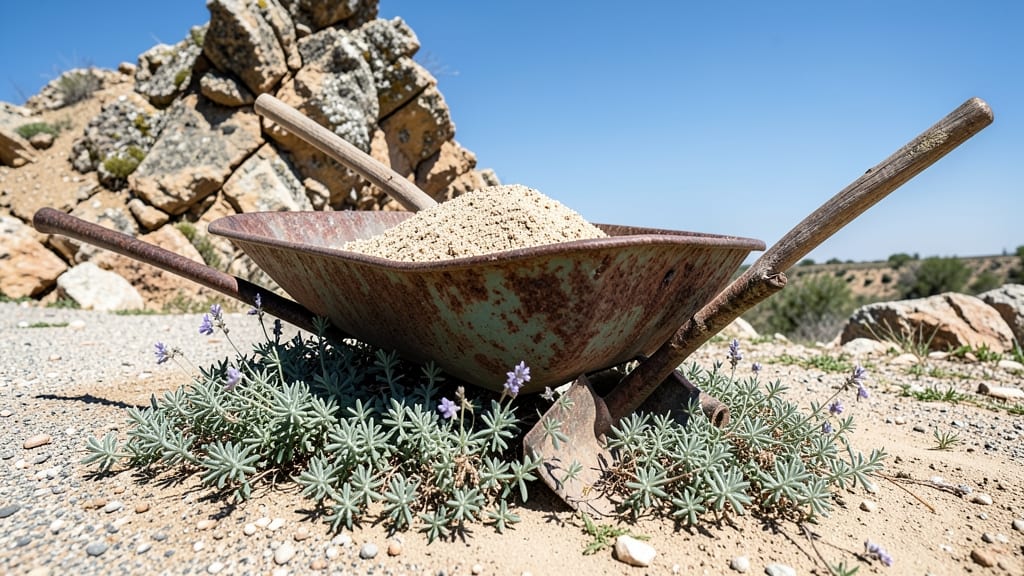
At a sand and gravel plant, common pests include ants, termites, and fungal growth from moisture, while rodents and weeds disrupt operations. Prevention requires regular inspections, proper drainage, and targeted treatments like insecticides or mulching barriers.
Sand and gravel facilities face unique challenges because their open, often damp environments create ideal conditions for pests. 🔥 Ants and termites thrive in stored materials, chewing through packaging and weakening structures, while fungal spores spread rapidly in moist areas, causing equipment rust and wood rot.
Rodents dig burrows near piles, contaminating product quality, and weeds choke out drainage systems. The key to control lies in combining physical barriers—like proper grading and sealed storage—with targeted treatments during peak pest seasons.
Regular site inspections every two weeks help catch early signs before infestations become costly. I've seen operations save thousands by addressing moisture issues first—something as simple as improving drainage can cut fungal growth by 70%—while strategic mulching around equipment areas reduces ant trails.
For severe cases, professional-grade insecticides applied in late summer (when pests are most active) provide the strongest defense.
💡 In This Article
- Identifying Sand and Gravel Plant Pests and Their Damage
- Natural and Chemical Prevention Methods for Gravel Site Pests
Identifying sand and gravel plant pests and their damage
Sand and gravel plants create a perfect storm for pests because their loose substrates and moisture retention mimic natural nesting conditions. Ants, particularly fire ants and pavement ants, are drawn to the high protein content in stored materials like wood chips or organic debris mixed with gravel.
Their colonies can grow exponentially in 60-90 days during warm seasons, with worker ants creating visible trails that lead to equipment damage and even electrical hazards if they nest in machinery control panels.
Termites pose a more insidious threat because they thrive in the hidden moisture zones created by poor drainage. Subterranean termites, the most destructive species, build mud tubes along concrete foundations and storage silos to maintain humidity.
These tubes can go unnoticed until they've already compromised structural integrity—studies show termites can reduce wood strength by 50% within 6 months of infestation. The damage often appears as hollowed-out wood or paper-thin surfaces that crumble at the touch.
Fungal growth becomes visible when moisture lingers in piles or equipment storage areas. Mold spores like Aspergillus and Penicillium thrive in temperatures between 77-86°F and relative humidity above 60%, creating black or greenish patches that spread rapidly.
Beyond the visual blight, these fungi accelerate metal corrosion in equipment by 3-5 times faster than dry conditions, while wood rot fungi like Coniophora can turn stored lumber into powder within 12-18 months if left untreated.
Rodents—particularly house mice and Norway rats—target sand and gravel plants for three reasons: abundant food sources (spilled materials, nesting areas), shelter in equipment sheds, and easy access through gaps in storage containers.
A single mouse can contaminate 10-20 pounds of product daily with urine and feces, while rat burrows near piles create unstable ground that risks equipment tipping. Their gnawing also damages packaging materials, leading to product loss and increased handling costs.
Weeds present a dual threat by choking drainage systems and providing shelter for pests. Perennial weeds like crabgrass and bindweed establish deep root systems that clog drainage channels, while annual weeds create dense mats that trap moisture—ideal conditions for fungal spores.
The economic impact is significant: weeds can reduce operational efficiency by 15-25% through increased maintenance and equipment downtime for clearing.
What most operators overlook is how these pests create a feedback loop. For example, ant trails often lead to rodent activity, while fungal growth attracts termites seeking moisture.
Breaking this cycle requires understanding each pest's lifecycle and environmental triggers—like how termites swarm after heavy rains or how ants become most active during 75-85°F days. This interconnectedness explains why comprehensive prevention strategies must address multiple pest types simultaneously.