
Planting
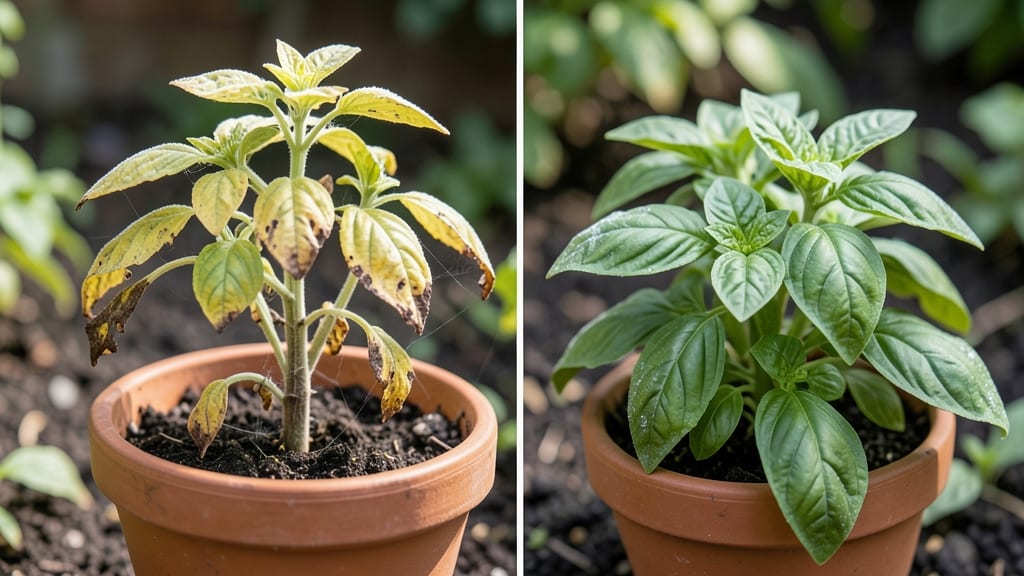
Seeing basil plant problems in pictures—like yellow leaves or spots—is like getting a text from a friend: it’s telling you something’s wrong. 🌱 I’ve diagnosed every basil issue from my own garden, and I’m sharing the visual clues that help me spot problems before they spread.
This guide turns guesswork into solutions with clear images and simple fixes.
Yellowing leaves often mean overwatering or nutrient deficiency, while brown spots could signal fungal infections or pest damage. My basil once had a full spider mite invasion—tiny webs and speckled leaves gave it away. The key is catching problems early: check undersides of leaves weekly, especially in humid weather.
You’ll learn to distinguish between fixable issues (like aphids) and serious threats (like downy mildew). Organic remedies work for most problems—neem oil for pests, diluted hydrogen peroxide for fungal spots. Once you recognize these patterns, your basil will bounce back faster every time.
Perfect for container gardeners, balcony growers, or anyone who’s ever wondered why their basil looks sad. The solutions here work for both indoor and outdoor plants, so no matter where you grow, you’ll keep your basil thriving all season long.
Root Causes Of Basil Troubles
Basil plants may look delicate, but they’re actually quite resilient—when given the right conditions. When issues like yellowing leaves, wilting, or unsightly spots appear, they’re usually signaling an underlying problem.
Understanding why these issues happen is the first step to fixing them. Let’s break down the science behind the most common basil plant struggles.
Basil thrives in moist but well-draining soil. When roots sit in soggy conditions for too long, they suffocate, leading to:
- Root rot: Fungal pathogens like Pythium or Phytophthora attack waterlogged roots, cutting off nutrient and water uptake. Look for black, mushy roots and a foul smell.
- Yellowing leaves: Excess water dilutes soil nutrients, causing chlorosis (yellowing) as the plant struggles to process chlorophyll.
- Wilting despite wet soil: Roots can’t absorb water efficiently, leading to a paradoxical "dry" appearance even when the soil is saturated.
Why it happens: Basil prefers 60-70% humidity but detests "wet feet." Containers without drainage holes or heavy clay soils trap excess moisture, creating anaerobic conditions that suffocate roots. Overzealous watering (especially without checking soil moisture) accelerates the problem.
While overwatering is a common basil killer, underwatering can be just as damaging, especially in hot climates. Signs include:
- Crispy, brown leaf edges: Cells lose moisture faster than roots can replenish it, leading to desiccation.
- Drooping stems: Basil wilts dramatically when dehydrated, often recovering after watering (unlike root rot, which causes permanent wilting).
- Stunted growth: The plant conserves energy by slowing down, resulting in small, sparse leaves.
Why it happens: Basil has shallow roots and high water needs (up to 1 inch per week in summer). Soil dries out quickly in containers or sandy soil, and high temperatures (85°F+) increase evaporation. Mulching helps retain moisture, but if neglected, the plant’s transpiration rate outpaces water supply.
Basil is a heavy feeder, and deficiencies show up in specific ways:
| Deficiency | Symptoms | Why It Happens |
|---|---|---|
| Nitrogen (N) | Pale yellow leaves (starting with older ones), stunted growth | Nitrogen is crucial for chlorophyll and leaf growth. Poor soil, frequent harvesting without replenishment, or leaching from overwatering depletes it quickly. |
| Magnesium (Mg) | Interveinal yellowing (yellow between veins, green veins), crispy edges | Magnesium is a central atom in chlorophyll. Over-fertilizing with nitrogen or using hard water (high in calcium) blocks magnesium uptake. |
| Iron (Fe) | Uniform yellowing (chlorosis) on new leaves, even if soil has iron | Alkaline soil (pH >7.0) locks out iron, even if it’s present. Basil prefers 6.0–6.5 pH for optimal nutrient availability. |
Why it happens: Basil grows quickly and depletes nutrients faster than many herbs. Container-grown plants have limited root zones, so nutrients are exhausted even faster. Overwatering washes away soluble nutrients, while compacted or poor-quality soil lacks essential minerals.
Basil’s tender leaves make it a magnet for pests and pathogens. Common culprits include:
- Spider mites: Tiny yellow/red mites suck sap, causing stippling (tiny white/yellow dots) and webbing on undersides. Severe infestations lead to leaf curling and browning.
- Aphids: Cluster on new growth, excreting sticky honeydew that attracts sooty mold. Leaves may yellow, curl, or distort.
- Fungal diseases (e.g., downy mildew): Yellow, greasy spots on upper leaves with fuzzy gray growth on undersides in humid conditions.
- Bacterial leaf spot: Dark, water-soaked spots with yellow halos, often spreading in warm, wet weather.
Why it happens: Basil is susceptible to pests when stressed (e.g., drought, overcrowding). Poor air circulation in containers or greenhouses traps humidity, ideal for fungal growth. Aphids and mites thrive in dry, dusty conditions, while bacterial diseases spread via splashing water or contaminated tools.
Basil is sensitive to extreme conditions, which can trigger problems even without direct damage:
- Temperature fluctuations: Basil prefers 70–80°F. Below 50°F, growth slows; above 90°F, leaves scorch or develop sunburn (white/yellow patches).
- Wind or physical damage: Strong breezes or rough handling bruise leaves, creating entry points for bacteria or pests.
- Transplant shock: Moving basil disrupts root systems, causing wilting, yellowing, or stunted growth for 1–2 weeks as roots establish.
Why it happens: Basil is a tropical annual and struggles with sudden changes. Cold drafts, sudden heatwaves, or improper hardening-off before transplanting can shock the plant. Container-grown basil is especially vulnerable to temperature swings since roots have less insulation.
Quick Fixes for Basil Plant Woes
Revive your basil plant fast with these targeted solutions—whether it’s yellowing leaves, mysterious spots, or sudden wilting. Each problem has a clear cause and a straightforward fix, plus tips to keep your plant thriving long-term.
Fix: Adjust your watering routine or boost nutrition.
- Step 1: Check the soil moisture 💧—stick your finger 1–2 inches deep. If damp, wait to water.
- Step 2: If soil is soggy, repot the basil in fresh, well-draining potting mix (add perlite or sand for aeration).
- Step 3: For nutrient deficiency, fertilize lightly with a balanced liquid fertilizer (diluted to half-strength) every 4–6 weeks.
Prevention Tips: ✔ Water only when the top inch of soil feels dry. ✔ Use containers with drainage holes to avoid root rot. ✔ Rotate pots occasionally for even sunlight exposure.
Fix: Isolate the plant and treat aggressively.
- Pests (Aphids, Spider Mites, or Whiteflies):
- Step 1: Spray leaves with a strong stream of water to dislodge pests 💦.
- Step 2: Apply neem oil or insecticidal soap (follow label instructions).
- Step 3: Repeat every 3–5 days until pests vanish.
- Fungal Issues (Powdery Mildew or Leaf Spot):
- Step 1: Prune affected leaves with clean scissors ⚔️.
- Step 2: Improve air circulation by spacing plants 6–12 inches apart.
- Step 3: Spray with a baking soda solution (1 tsp baking soda + 1 quart water + a drop of dish soap) weekly.
Prevention Tips: 💡 Avoid overhead watering—water at the base instead. 🌡️ Space plants for airflow and remove debris around the base. ✨ Use fungicide preventatively if humidity is high.
Fix: Hydrate properly and check root health.
- Step 1: Soak the pot in water for 10–15 minutes to rehydrate roots 🚿.
- Step 2: If the soil smells foul, trim mushy roots and repot in fresh soil.
- Step 3: Keep basil in bright, indirect light (6+ hours/day) and avoid extreme heat.
Prevention Tips: ⏰ Water consistently—basil prefers evenly moist (not soggy) soil. 🌞 Move pots to partial shade if leaves scorch in direct sun. 🎯 Harvest regularly to encourage new growth and reduce stress.
Pro Tip: Always wear gloves when handling pests or pruning to avoid spreading issues! 🧤 For stubborn problems, snap a clear photo and compare it to online basil problem databases for extra help.
Frequently asked questions about basil plant problems
How do I tell if my basil has spider mites vs. aphids?
Check the undersides of leaves first! Spider mites leave tiny yellow/red specks and fine webs, while aphids cluster in sticky groups on new growth. Both cause curling, but mites thrive in dry conditions and aphids prefer damp areas. Use a magnifying glass for better visibility.
Why are my basil leaves turning yellow but staying green along the veins?
This classic sign usually means a magnesium deficiency or iron chlorosis. Check your soil pH—basil prefers 6.0–6.5. If alkaline, add chelated iron or compost. Yellowing between veins (green veins) is magnesium, while uniform yellowing is iron.
Can I still use basil leaves that have brown spots but no other symptoms?
Yes, but remove the spotted areas first! Brown spots from fungal diseases like leaf spot are often superficial. Wash leaves thoroughly before using. Avoid using if spots are mushy (bacterial infection) or accompanied by wilting—these indicate deeper problems.
How often should I fertilize basil to prevent nutrient problems?
Feed basil lightly every 4–6 weeks with a balanced liquid fertilizer (like 10-10-10) diluted to half-strength. Over-fertilizing causes salt buildup, which burns roots. For container plants, use a slow-release fertilizer or compost tea instead.
What's the fastest way to revive a wilted basil plant?
First, check root health—soak the pot in water for 10–15 minutes to rehydrate. If roots smell foul, trim mushy sections and repot. Place in bright, indirect light and avoid watering again for 24 hours. Most basil recovers within 3–5 days if roots are healthy.