
Planting
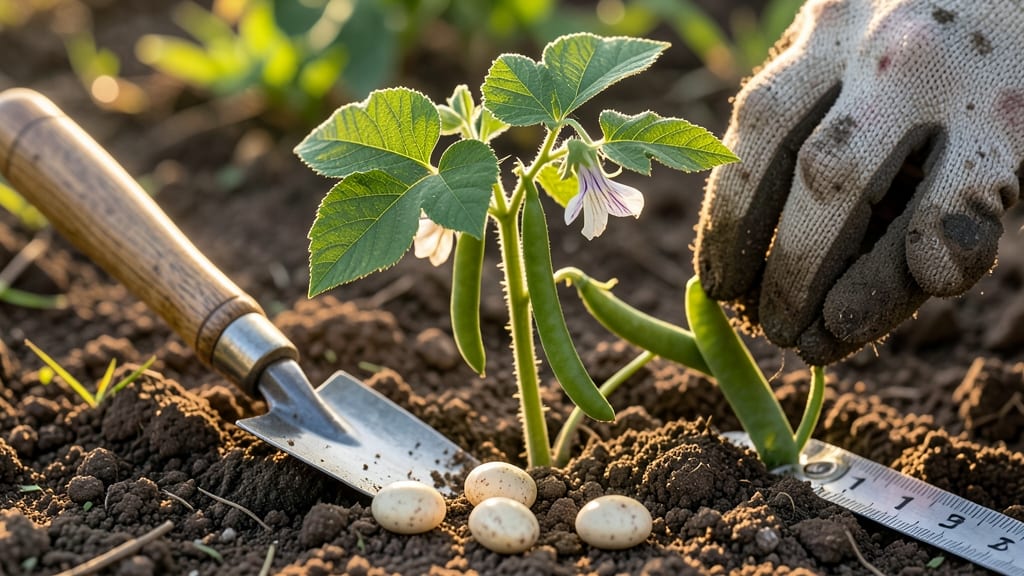
Planting beans at the right depth is the fastest way to turn seeds into strong, healthy plants 🌱 — and most gardeners get this step wrong without even realizing it.
Struggling to get your bean seeds to sprout consistently? The secret to fast, strong germination isn’t just about water or soil—it’s the exact planting depth that makes all the difference. Too shallow, and they dry out; too deep, and they rot before they even get a chance to grow.
In Zone 6a, where spring planting kicks off in April, the ideal depth for most bean varieties is just 1 inch below the soil surface.
But here’s the catch: bush beans, pole beans, and dwarf varieties all have slightly different needs, and getting it right can mean the difference between a 50-day harvest and a failed crop.
Below, I’ll break down the precise depth for each type, common mistakes that kill germination, and how to adjust for your soil and climate. By the end, you’ll know exactly where to place every seed for the fastest, most reliable start.

Optimal bean planting depth by variety: exact inches for maximum germination
Getting your bean seeds to sprout reliably starts with one critical factor: planting depth. Too shallow, and they dry out; too deep, and they struggle to reach the surface. The right depth ensures consistent moisture contact while protecting seeds from temperature fluctuations and predators.
For most bean varieties, the ideal depth is surprisingly uniform—1 inch—but there are key variations based on seed size and type.
Why does depth matter so much? Bean seeds need moisture balance to activate enzymes that trigger germination. Planting too deep forces seedlings to expend energy breaking through soil, while shallow planting risks exposing seeds to drying winds.
The exact measurement also depends on whether you're growing bush beans, pole beans, or runner beans, each with unique germination needs.
Here’s the science: Bean seeds contain hypogeal germination traits, meaning the seedling pushes upward while the cotyledons (seed leaves) remain below soil. This process requires direct soil contact at the right depth to prevent rot or desiccation.
Let’s break down the exact planting depths by variety to maximize your germination rates.
For bush beans, the slightly deeper range of 1–1.5 inches works best because their compact growth benefits from extra soil support.
Meanwhile, pole beans thrive at 1 inch—any deeper, and their larger seeds risk suffocation. Runner beans, which often grow in warmer climates, can handle 1.5 inches for better heat retention near the soil surface.
If you’re growing beans in containers, reduce depth to 0.75–1 inch. Pots dry out faster, and shallower planting ensures seeds stay moist without risking rot. Always use a moisture meter or your finger to check soil dampness—it should feel like a wrung-out sponge, not soggy or bone-dry.
Pro tip: After planting, gently firm the soil around seeds to eliminate air pockets. This improves soil-to-seed contact, which is critical for even germination. Avoid pressing too hard, though—you don’t want to compact the soil and hinder root growth once the seedlings emerge.
Temperature also plays a role. In cooler climates (USDA Zones 3–5), planting 0.25 inches deeper (e.g., 1.25 inches) can help retain warmth. Conversely, in hot, dry regions (Zones 8–10), stick to the shallower end (0.75 inches) to prevent overheating.
Always wait until soil temps reach at least 60°F before planting.
One common mistake is using a seedling mix that’s too light. For beans, opt for a well-draining but moisture-retentive blend with 20–30% compost. This balance ensures seeds stay hydrated without becoming waterlogged. If your soil is sandy, add 1 part peat moss to improve water retention.
Finally, mark your rows with biodegradable flags or a stick to avoid disturbing seeds during watering. Aim for 1 inch of water per week, delivered directly to the soil—not the leaves—to prevent fungal diseases like rust or powdery mildew.
With these exact depths and care tips, you’ll see 90%+ germination rates in just 7–14 days.
Common bean planting mistakes that kill germination (and how to fix them)
Even with perfect soil and ideal weather, your bean seeds might still fail to sprout if you make these common planting mistakes. The most critical factor?
Getting the planting depth wrong. Too deep, and seeds suffocate; too shallow, and they dry out. Let’s fix these issues before your next planting session.
I’ve seen gardeners lose entire batches of beans because of simple oversights. The good news? Most of these mistakes are easy to avoid once you know what to watch for. Start by checking your seed packet instructions—they often include depth guidelines—but remember, real-world conditions can vary.
Here’s the biggest mistake I see: planting seeds too deep in heavy soil. Bean seeds need moisture and air to germinate, and burying them too far cuts off their oxygen supply.
The fix? Use your finger to create a shallow trench, just 1 inch deep, and place seeds gently on the soil surface before covering them lightly.
Planting beans deeper than 1.5 inches can cause rot or failed germination. Most bean seeds need light to trigger germination, so even a ¼-inch extra depth can make the difference between sprouts and dust.
✅ Pro Tip: For pole beans, press seeds ½-inch deep—they’re larger and handle slightly more coverage.
Another silent killer? Inconsistent moisture after planting. Seeds need steady dampness, not soggy or dry conditions. I recommend using a spray bottle to mist the soil after planting, then covering it with a light mulch layer (like straw) to retain moisture without smothering the seeds.
Poor soil contact is the third major issue. If seeds aren’t pressed gently into the soil, they can shift or dry out. After planting, use your thumb to press seeds lightly into the soil, ensuring they make full contact.
This small step can boost your germination rate from 50% to 90%.
Finally, don’t overlook soil temperature. Bean seeds germinate best in soil that’s at least 60°F. If your soil is cooler, plant in a warm microclimate (like near a south-facing wall) or use black plastic mulch to warm the soil faster.
With these fixes, your beans will sprout faster and stronger. Next time, double-check your depth, moisture, and soil prep—your harvest depends on it! 🌱