
Planting
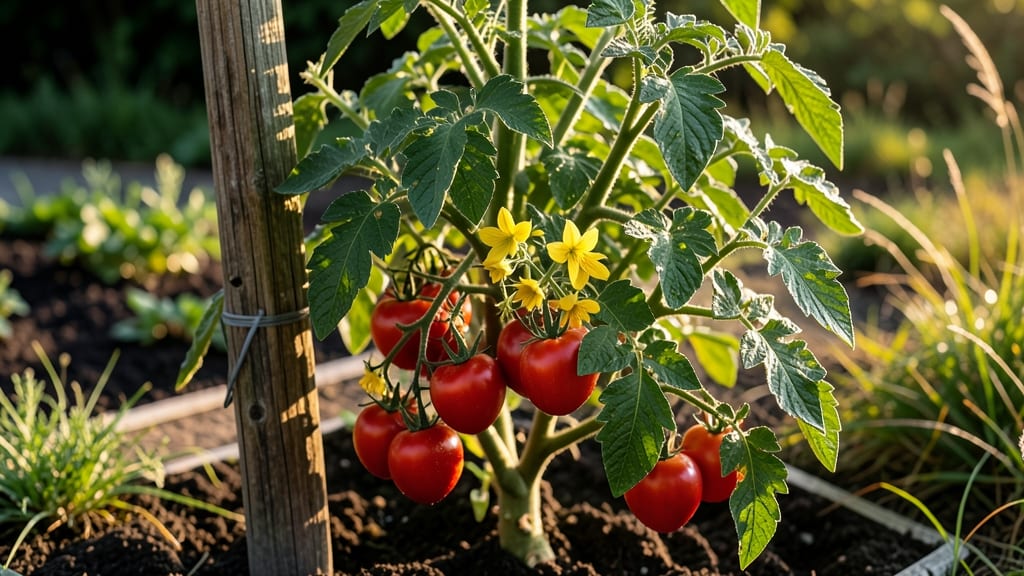
Healthy beefsteak tomato leaves are the foundation of those 1-pound monsters we all dream of growing. 🌿 I’ve spent years watching how leaf conditions directly impact fruit size, flavor, and disease resistance—and the difference between thriving plants and sad, stunted ones comes down to what you notice (and fix) early.
The most common problems—early blight’s brown spots, aphid clusters, or yellowing from overwatering—all start with the leaves. Each issue has a telltale sign: target-shaped lesions for blight, sticky residue for aphids, or crispy edges for underwatering. Catching these early means your plants keep producing instead of fighting for their lives.
With the right care, your beefsteak’s leaves stay bold and deep green, filtering sunlight to fuel massive fruit. A simple leaf check every week—top, bottom, and undersides—lets you spot trouble before it spreads. I’ll show you how to diagnose, treat, and prevent the most common issues without chemicals.
Whether you’re dealing with nutrient deficiencies, pest invasions, or environmental stress, the key is acting fast. By the end, you’ll recognize healthy leaves—and know exactly what to do when they’re not. Let’s get those plants thriving!
📚 In This Guide
- What you need
- Instructions
- Tips and common mistakes
- Wrapping up and next steps
What you need
- ● Beefsteak tomato seeds or seedlings: Choose disease-resistant varieties like 'Brandywine,' 'Cherokee Purple,' or 'Big Beef.' Start with 3-5 plants if space is limited, or up to 10+ for a bountiful harvest.
- ● High-quality potting mix: A sterile, well-draining blend (e.g., 60% peat moss, 30% perlite, 10% compost) or a store-bought tomato-specific mix (5-gallon bags recommended).
- ● Containers or garden bed: Containers: 5-gallon pots or larger (minimum 12" deep) with drainage holes. Use 1 pot per plant for optimal growth.
- ● Garden bed: A sunny spot with 6+ hours of light and loose, fertile soil (amend with compost if needed).
- ● Fertilizer: Balanced starter fertilizer: 5-10-5 or 10-10-10 (1 tbsp per plant or follow label instructions).
- ● Tomato-specific fertilizer: High in potassium and phosphorus (e.g., 7-9-5) for flowering/fruiting (switch after seedlings are established).
- ● Mulch: 2-3 inches of organic mulch (straw or shredded leaves) to retain moisture and protect leaves.
- ● Support system: Cages, stakes, or trellises (6+ feet tall) to prevent leaf damage from sprawling vines.
- ● Gloves and pruning shears: For handling plants and trimming yellow or diseased leaves (sterilize shears with rubbing alcohol).
- ○ Watering can or hose with nozzle: Drip irrigation (optional) for consistent moisture without wetting leaves (reduces disease risk).
- ● pH test kit: Ideal soil pH for tomatoes: 6.0–6.8. Adjust with lime (to raise pH) or sulfur (to lower) if needed.
- ○ Epsom salt (magnesium sulfate): 1 tbsp per gallon of water (monthly spray) to boost leafy green growth (optional but helpful for large-leafed varieties).
- ○ Compost tea or liquid seaweed: Biweekly foliar spray to enhance leaf health and flavor (optional).
How to cultivate bold beefsteak tomato foliage for maximum flavor
Here's how I coax those signature beefsteak leaves—thick, glossy, and packed with flavor—from seedling to harvest.
🌱 Step 1: Start with Proper Seedling Nutrition for Leaf Development
Beefsteak tomatoes need strong foliage to support their massive fruit, so I begin with a nutrient-rich start. Use a balanced organic fertilizer (5-5-5 ratio) when transplanting seedlings into their permanent containers or garden beds. Work it into the top 6 inches of soil—this ensures roots have immediate access to nitrogen for leaf growth.
I avoid synthetic fertilizers early on because they can burn tender roots. Instead, I mix in 1 tablespoon of composted worm castings per plant to gently boost microbial activity. The key here is slow-release nutrition—you'll see those signature beefsteak leaves emerge thicker and darker when the plant has steady access to organic matter.
☀️ Step 2: Position for Optimal Sunlight and Airflow
Beefsteak tomatoes demand 8+ hours of direct sunlight daily—any less and the leaves turn pale and weak. I always place mine in the sunniest spot in my garden, where they'll receive morning sun and afternoon light without afternoon shade interference. If growing in containers, rotate them quarter-turn weekly so all sides get even exposure.
Here's the thing—crowding stunts leaf development. Space plants 24-36 inches apart (depending on variety) to allow airflow. You'll notice the leaves stay dry longer and develop that characteristic beefsteak thickness when they're not fighting for space. Prune lower leaves that touch the soil to prevent disease—this redirects energy upward into stronger foliage.
💧 Step 3: Master Watering for Glossy, Disease-Resistant Leaves
Water at the base of the plant in the morning to give leaves time to dry before evening. Beefsteak tomatoes need 1-1.5 inches of water weekly, but I adjust based on rainfall and soil type. Sandy soil dries faster, so I water more frequently but less deeply. The goal is to keep the top 2 inches of soil consistently moist—never soggy.
I use a moisture meter to check soil dampness because underwatering causes leaves to yellow at the edges, while overwatering leads to fungal spots. When the leaves maintain that deep green, slightly waxy appearance, you're watering just right. Mulch with 2-3 inches of straw to retain moisture and prevent soil-borne diseases that can spot the leaves.
✂️ Step 4: Prune Strategically to Enhance Leaf Production
Pruning isn't just about fruit—it's about building that beefsteak leaf structure. I remove suckers (those little shoots in the leaf axils) when they're 2-3 inches long to prevent them from competing with the main stem. This forces the plant to channel energy into existing leaves, making them thicker and more robust.
Leave 3-4 main stems if possible—they'll support more foliage. Pinch off the first flower cluster if your plant looks leggy; this gives it time to bulk up its leaves before fruiting. You'll see the difference in leaf size within weeks—thicker, broader leaves that can support those massive beefsteak tomatoes. Always use clean, sharp pruners to avoid tearing the stems.
🌿 Step 5: Boost Leaf Health with Foliar Feeding
Every 2-3 weeks, I spray the leaves with a diluted fish emulsion solution (1 tablespoon per gallon of water). This foliar feeding delivers quick nitrogen and micronutrients that enhance leaf color and thickness. I apply it in the early morning so it has time to dry before evening humidity sets in.
Watch for signs of deficiency—yellowing between veins signals magnesium needs, while purple stems mean phosphorus. Adjust your feeding accordingly. Healthy beefsteak leaves should have a deep, almost bluish-green hue and a slightly leathery texture. This isn't just about looks; thicker leaves mean better photosynthesis, which translates directly to bigger, more flavorful tomatoes.
Tips & tricks for growing bold beefsteak tomato leaves
These are the secrets I've learned after years of growing beefsteak tomatoes—how to coax those signature thick, glossy leaves that make all the difference in flavor and yield.
Soil Preparation Secret: Before transplanting, I always loosen the soil to a depth of 12 inches to encourage deep root growth. The roots of beefsteak tomatoes need space to spread out—this helps them access nutrients from a larger volume of soil, which translates directly to thicker foliage. I also mix in 2 inches of well-aged compost into the planting hole to provide a nutrient boost right where the roots will establish first.
Light Optimization Strategy: If you notice your beefsteak tomato leaves developing a pale green or yellowish cast, it's a sign they're not getting enough light. For container growers, consider moving plants to a south-facing window or using a grow light for 14-16 hours daily during cloudy periods. The goal is to maintain that deep, almost bluish-green hue—the signature of healthy beefsteak leaves. I've found that supplementing with a CFL grow light just above the plant for a few hours in the evening can make a noticeable difference in leaf thickness.
Pruning Precision: When removing suckers in Step 4, I always look for the V-shaped angle where they emerge from the main stem. This is where the sucker connects to the plant's vascular system. Pinching them off at this angle prevents bleeding and minimizes stress on the plant. For the first few prunings, I go through and remove all suckers up to 12 inches from the base—this gives the main stem's leaves room to develop their full beefsteak thickness without competition.
Foliar Feeding Timing: The 2-3 week interval for foliar feeding is perfect, but I've found that applying it right after a rainfall or thorough watering makes the nutrients absorb more efficiently. The leaves act like sponges when they're slightly turgid, allowing the fish emulsion solution to penetrate better. I also like to do my foliar feeding on a cool morning when there's no wind—this prevents the solution from drying too quickly on the leaves.
Pro Tips for Beefsteak Tomato Plant Leaves
- These are the secrets I've learned after years of growing beefsteak tomatoes—how to coax those signature thick, glossy leaves that make all the difference in flavor and yield.
- Soil Preparation Secret: Before transplanting, I always loosen the soil to a depth of 12 inches to encourage deep root growth.
- Light Optimization Strategy: If you notice your beefsteak tomato leaves developing a pale green or yellowish cast, it's a sign they're not getting enough light.
Frequently asked questions
Got questions about beefsteak tomato plant leaves? You’re not alone! Here are some of the most common queries—and their answers—to help you grow the healthiest, most flavorful plants possible.
Why are my beefsteak tomato leaves turning yellow or brown?
Yellowing or brown leaves are often a sign of overwatering or underwatering. Check the soil—it should be moist but not soggy. Other culprits include nutrient deficiencies (like nitrogen or magnesium) or pests like spider mites. Prune affected leaves to redirect energy to healthy growth and adjust your watering routine.
When should I fertilize beefsteak tomato plants for leafy, flavorful growth?
Feed your beefsteak tomatoes every 2–3 weeks starting when flowers appear, using a balanced fertilizer (like 10-10-10) or a tomato-specific blend. For extra leafy vigor, add a compost tea or mulch with well-rotted compost. Avoid over-fertilizing with nitrogen—it boosts leaves at the expense of fruit!
Can I prune beefsteak tomato leaves to improve fruit production?
Yes! Pruning encourages stronger stems and larger fruit. Remove suckers (the small shoots between the main stem and branches) and any yellow or diseased leaves. For indeterminate beefsteak varieties, prune lower leaves to improve airflow and reduce disease risk. Pro tip: Use clean, sharp pruners to avoid damaging the plant.
What are some alternatives to beefsteak tomato leaves for shade or smaller spaces?
If beefsteak tomatoes are too large for your space, try cherry tomatoes (like ‘Sungold’), roma tomatoes (for paste), or patio varieties like ‘Tiny Tim.’ For shade-tolerant options, consider ‘Indigo Rose’ or ‘Black Krim’, which handle partial shade better. Container gardening also works—just choose a dwarf variety!
How do I prevent pests from damaging beefsteak tomato leaves?
Pests like aphids, hornworms, and whiteflies love beefsteak leaves! Start with prevention: use row covers early, rotate crops yearly, and remove weeds. For treatment, spray with neem oil or introduce beneficial insects like ladybugs. Handpick large pests (like hornworms) in the morning when they’re sluggish.
Bonus Tip: How can I maximize leaf health for bigger beefsteak tomatoes?
Healthy leaves = happier tomatoes! Ensure your plants get 6–8 hours of sunlight, well-draining soil, and consistent moisture. A light mulch (like straw) retains moisture and deters weeds. Plus, leafy greens (like kale or spinach) planted nearby can act as a living mulch, improving soil health and reducing stress on your tomatoes.
Wrapping up and next steps
Caring for your beefsteak tomato plant’s leaves isn’t just about aesthetics—it’s the secret weapon for juicier tomatoes and healthier vines! 🌿 From pruning for airflow to diagnosing pests early, every step keeps your plant thriving.
Now that you’re armed with the know-how, roll up your sleeves and get growing—your garden (and taste buds) will thank you!
Ready to take it further? Experiment with companion planting (like basil or marigolds) or try organic sprays to keep those leaves lush. Happy gardening!