
Planting
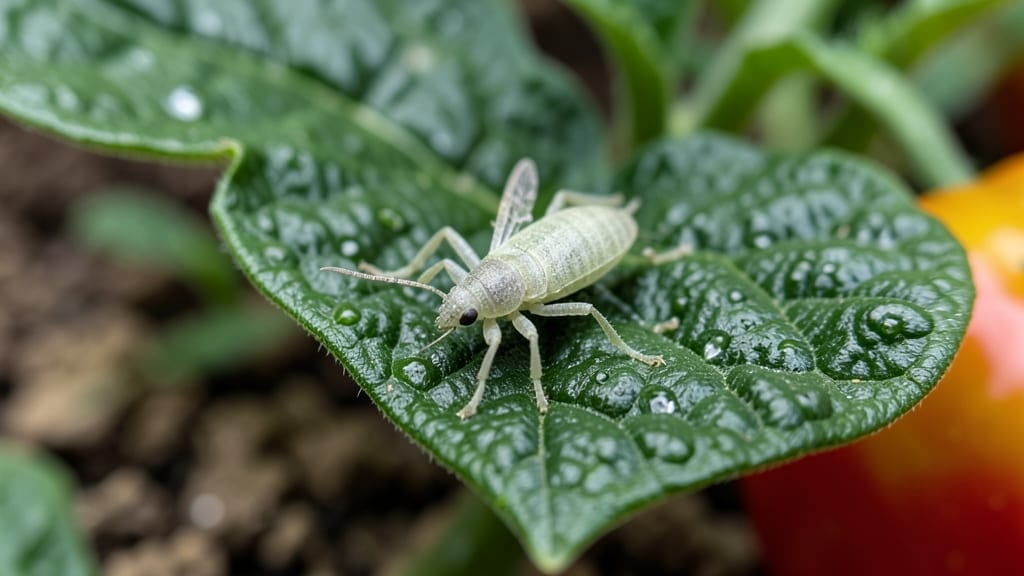
Bell pepper bugs can turn your thriving plants into a skeleton of leaves overnight—aphids, spider mites, and hornworms are the usual culprits. 🌱 I’ve lost entire harvests to these pests, but I’ve also learned the 3 simple steps that keep my peppers bug-free season after season.
The key? Stopping them before they start, not after they’ve moved in.
Most gardeners wait until they see damage to act, but by then it’s too late. Aphids cluster on new growth, spider mites spin webs on the undersides of leaves, and hornworms can devour an entire plant in a single night.
The good news? All three respond to the same organic defenses—neem oil, companion planting, and regular inspections. You won’t need fancy tools or chemicals, just a spray bottle and 10 minutes a week.
With these steps, your peppers will stay lush and productive, free from the telltale holes and sticky residue that signal trouble. The payoff? A harvest that’s bigger, healthier, and stress-free—no more frantic spraying or disappointed looks at half-eaten plants. Let’s get your garden back on track.
Works for backyard gardens, containers, and even greenhouse setups. The same principles apply whether you’re growing sweet bell peppers, jalapeños, or habaneros. Here’s how to make it happen without the guesswork.
Root Causes of Garden Pests
Bell pepper plants are a magnet for bugs—not because they’re weak, but because they’re delicious. 🌶️🐛 Understanding why these pests show up is the first step to keeping your harvest safe.
Below, we break down the science behind the most common invaders and what makes your peppers so appealing (or vulnerable) to them.
When bell pepper plants are packed too tightly or struggling with poor soil, water, or nutrients, their defenses weaken. Stress signals—like wilting, yellowing leaves, or stunted growth—attract pests that sense vulnerability.
- Why it happens: - Weakened natural defenses: Healthy plants produce compounds (like capsaicin in hot peppers or bitter alkaloids in bell varieties) that deter bugs.
Stressed plants can’t maintain these chemical barriers. - Attracts secondary pests: Aphids, spider mites, and whiteflies thrive in crowded gardens because they can hide in dense foliage and feed on sap without competition. - Fungal or bacterial stress: Root rot or blight (often from overwatering or poor drainage) creates entry points for pests like thrips or hornworms, which target compromised tissue.
- Actionable fix:
- Space plants 18–24 inches apart for airflow and sunlight.
- Test soil pH (ideal: 6.0–6.8) and amend with compost to reduce nutrient stress.
- Prune yellowing leaves to remove pest magnets.
Bugs love moisture—especially in the right (or wrong) amounts. Overwatering creates soggy soil, while underwatering stresses plants into producing sugary sap that attracts pests.
- Why it happens: - Fungal hotspots: Excess moisture encourages slugs, snails, and cutworms, which hide in damp mulch or soil.
It also weakens roots, making plants susceptible to root-knot nematodes. - Sugary sap production: When plants are thirsty, they concentrate sugars in leaves to retain moisture.
This sweet reward lures aphids, whiteflies, and hornworms like a buffet. - Fungal pests: Powdery mildew (from high humidity) creates a film on leaves that spider mites adore as a breeding ground.
- Actionable fix:
- Water deeply but infrequently (1–1.5 inches per week) at the soil base, not the leaves.
- Use drip irrigation or soaker hoses to avoid wetting foliage.
- Mulch with straw or wood chips to regulate soil moisture and deter slugs.
A balanced garden ecosystem naturally controls pests—but if you’ve disrupted it (e.g., with pesticides or monocropping), bugs move in unchecked.
- Why it happens: - Pesticide overuse: Broad-spectrum chemicals kill ladybugs, lacewings, and parasitic wasps—the bugs’ natural enemies.
Without them, pests like aphids and cabbage worms explode in numbers. - Monoculture planting: Growing only bell peppers (or other nightshades) removes diversity, which pests evolve to exploit.
For example, colorado potato beetles target Solanaceae plants (tomatoes, peppers, potatoes) relentlessly in uniform fields. - Habitat loss: Removing weeds or ground cover eliminates shelter for spiders, toads, and birds, which hunt garden pests.
- Actionable fix:
- Plant companion plants like basil, marigolds, or nasturtiums to attract predatory insects.
- Avoid neonicotinoids (systemic pesticides) and opt for pyrethrin-based sprays (derived from chrysanthemums) as a last resort.
- Add rock piles or log borders to create habitats for toads and ground beetles.
Some pests time their attacks to coincide with pepper plant growth stages.
For example: - Early season: Flea beetles chew seedlings because young plants are tender and lack protective wax coatings. - Mid-season: Hornworms and aphids target flowering plants, feeding on buds and leaves to stunt fruit production. - Late season: Stink bugs pierce ripening peppers to inject toxins, causing catface deformities (scarring on fruit).
- Why it happens: - Pheromone cues: Many pests (like western striped cucumber beetles) use plant volatiles to locate crops.
Bell peppers emit terpenes that signal "easy prey." - Temperature triggers: Warm nights (above 70°F) accelerate whitefly and thrips reproduction, while cool mornings slow down beneficial predators like lacewings.
- Actionable fix:
- Row covers (floating fabric) for seedlings to block flea beetles.
- Yellow sticky traps to monitor and reduce adult whitefly populations early.
- Handpick hornworms at dusk when they’re sluggish (drop them in soapy water).
Quick Fixes for Garden Pests
When bugs invade your bell pepper plants, acting fast is key to saving your harvest. Below are practical, step-by-step solutions tailored to the most common culprits—whether it’s chewers, sap-suckers, or burrowers.
Each fix is designed to be easy, budget-friendly, and effective, with extra tips to keep pests away for good.
Signs: Ragged leaves, holes in fruit, or frass (tiny droppings) everywhere.
🔥 Handpick & Remove (Best for Small Infestations)
- 👨🍳 Early morning or evening (when bugs are sluggish), inspect leaves and soil.
- 🥘 Drop pests into soapy water (1 tbsp dish soap per gallon) to kill them instantly.
- ⏰ Repeat daily until no more bugs are found.
🌿 Natural Barriers & Traps
- 💡 Crushed eggshells or diatomaceous earth around the base deters slugs and soft-bodied bugs.
- 🎯 Yellow sticky traps (hang near plants) catch flying beetles and whiteflies.
🍎 Organic Sprays (For Moderate Damage)
- 🌡️ Neem oil spray (1 tsp neem oil + 1 tsp mild soap per quart of water) disrupts caterpillar life cycles.
- 🔪 Spinosad (organic pesticide) targets chewing insects—follow label rates.
💡 Pro Tip: Plant basil or marigolds nearby—their strong scents repel many chewing pests!
Signs: Sticky residue (honeydew), yellowing leaves, or tiny webs.
💦 Blast Them Off (Non-Toxic First Step)
- 🔥 Spray plants with water (forceful stream from a hose) to dislodge aphids and whiteflies.
- 👨🍳 Do this 2–3 times a week until populations drop.
🍳 Soap & Oil Sprays (Safe for Edibles)
- 🥘 Insecticidal soap (2 tbsp liquid soap + 1 quart water) smothers soft-bodied bugs.
- 🌡️ Horticultural oil (1 tbsp per quart) suffocates spider mites—apply at dusk to avoid burning leaves.
🎯 Beneficial Insects (Long-Term Defense)
- ✨ Ladybugs, lacewings, or parasitic wasps (buy online or attract with dill/flower borders).
- 💡 Yellow sticky cards reduce whitefly numbers by trapping adults.
💡 Pro Tip: Aphids love new growth—prune heavily infested stems to starve them out!
Signs: Wilting plants, chewed stems, or tiny holes in leaves.
🔪 Physical Barriers (Stop Cutworms & Maggots)
- 🥘 Collar stems with cardboard tubes (3 inches tall) buried 1 inch into soil.
- 🌡️ Coffee grounds or wood ash around the base repels flea beetles.
🍳 Row Covers & Mulch (Prevent Egg-Laying)
- 👨🍳 Use floating row covers (lightweight fabric) to block adult beetles from laying eggs.
- 💡 Mulch with straw—keeps soil moist (deters root maggots) and cools roots.
🎯 Rotate Crops & Clean Up Debris
- ⏰ Avoid planting peppers in the same spot for 3+ years (breaks pest life cycles).
- 🔥 Remove old plant debris in fall—bugs overwinter in dead leaves!
💡 Pro Tip: Flea beetles are worst in hot, dry weather—water deeply in droughts to reduce stress on plants.
Once you’ve tackled the infestation, lock in pest-free growth with these habits:
- 🌱 Plant companion crops (basil, onions, or garlic) to confuse pests.
- 💡 Inspect new plants before bringing them home (quarantine for 1 week).
- 🌡️ Keep your garden healthy—stressed plants attract more bugs!
- 🎯 Encourage biodiversity (birds, frogs, and predatory insects love a thriving garden).
🔥 Remember: The key is consistency. Check plants weekly, act at the first sign of trouble, and your bell peppers will thrive—bug-free and bountiful!
Frequently asked questions
What are the most common bugs that attack bell pepper plants?
The top culprits are aphids (tiny green/black bugs on new growth), hornworms (green caterpillars with white stripes), and spider mites (tiny red/yellow dots on leaf undersides). Flea beetles and whiteflies also frequently target peppers, especially in hot, dry weather.
How do I tell if my bell pepper plant has a bug problem?
Watch for sticky residue (honeydew from aphids), chewed leaves (hornworms), yellowing leaves (spider mites), or tiny holes in foliage (flea beetles). Check the undersides of leaves and stems—this is where most pests hide. Early signs include wilting or stunted growth.
Can I use store-bought pesticides on my bell pepper plants?
While chemical pesticides work, they can harm beneficial insects and leave residues on edible peppers. Opt for organic solutions first: neem oil, insecticidal soap, or spinosad. Always follow label instructions and avoid spraying when peppers are flowering or fruiting to protect pollinators.
How often should I check my bell pepper plants for bugs?
Inspect your plants weekly, especially after rain or when new growth appears. Early detection is key—most pests are easier to control when caught early. Spend 5-10 minutes per plant checking leaf undersides, stems, and soil surface for signs of activity.
Will companion planting really keep bugs away from my peppers?
Yes! Planting basil, marigolds, or nasturtiums nearby confuses pests with strong scents and attracts beneficial insects like ladybugs. These plants also improve soil health and deter specific pests—like aphids avoiding marigolds. Try interplanting with herbs or flowers for best results.