
Planting
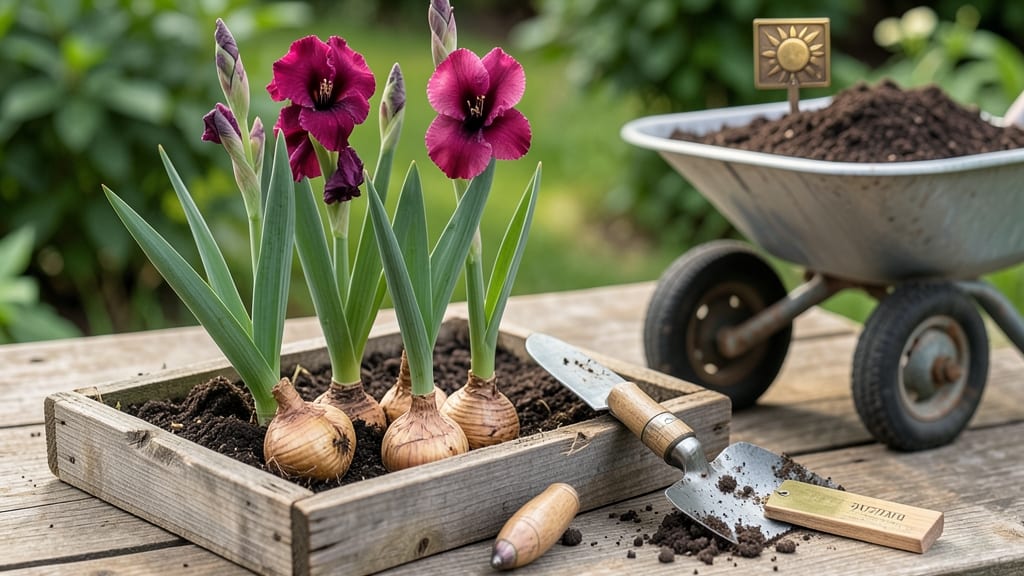
The best place to plant gladiolus is a spot with full sun and well-draining soil—this ensures those dramatic 🌸 blooms you’ve been dreaming of.
Struggling to get your gladiolus bulbs to thrive? The secret lies in choosing the perfect planting spot—one that balances sunlight, soil, and airflow to maximize those stunning summer blooms.
Get it right, and you’ll enjoy vibrant flowers for weeks; get it wrong, and you might end up with floppy stems and sparse blooms.
Gladiolus crave at least six hours of direct sunlight daily, but they also need soil that drains quickly to prevent rot. Too much shade or soggy soil, and those tall, showy spikes won’t even make it to bloom time.
The right location isn’t just about sunshine—it’s about creating the ideal microclimate for strong roots and sturdy stems.
In this guide, I’ll walk you through the top spots to plant your gladiolus—whether you’re working with in-ground beds, containers, or even urban balconies—and share the three biggest mistakes that sabotage growth before they even start.

Ideal sunlight and soil conditions for gladiolus growth
Gladiolus bulbs need the perfect balance of sunlight and soil to thrive. These dramatic summer blooms demand full sun exposure—at least 6 to 8 hours daily—to produce those iconic sword-like spikes. Without enough light, your stems will stretch weakly, and blooms will be sparse or nonexistent.
But sunlight isn’t the only factor: your soil must also be well-draining, slightly acidic, and rich in organic matter to prevent rot and support strong root growth.
I’ve planted gladiolus in everything from clay-heavy garden beds to sandy loam, but the sweet spot is a loamy soil with a pH between 6.0 and 6.8. Too acidic (<5.5), and nutrients lock up; too alkaline (>7.5), and the bulbs struggle to absorb essential minerals.
Even in ideal conditions, poor drainage can turn your glads into a fungal buffet. Let’s break down exactly what your gladiolus needs—and how to tweak your garden to match.
🌱 SUMMARY-TABLE: Best Conditions for Gladiolus
Let’s start with sunlight, since this is non-negotiable for gladiolus. These plants are sun-worshippers, and partial shade (even from nearby shrubs) will lead to leggy stems and weak blooms.
In the Southern U.S., where afternoon heat can scorch, I recommend planting glads on the north or east side of your garden to avoid midday intensity. Meanwhile, in Northern climates, a south-facing spot with unobstructed sun from morning to evening is ideal.
Testing your soil’s pH and drainage is easier than you think. Grab a soil test kit (or send a sample to your local extension office) to check pH. If it’s off, amend with lime to raise pH or sulfur to lower it.
For drainage, dig a hole, fill it with water, and time how long it takes to drain. If it’s still wet after 6 hours, your soil is too compacted—mix in sand or perlite to improve airflow to the roots.
One of my biggest mistakes? Planting gladiolus in heavy clay soil without amending it first. The bulbs rotted before they even sprouted. Now, I always raise beds slightly or add a 1-inch layer of gravel at the bottom of the planting hole to ensure excess water doesn’t pool.
If your garden is naturally soggy, consider container growing with a mix of potting soil and perlite for perfect drainage.
Don’t overlook soil nutrients, either. Gladiolus are heavy feeders, so before planting, mix in 2–3 inches of compost or a balanced fertilizer (5-10-10). I like to top-dress with a low-nitrogen fertilizer when the first shoots appear to encourage strong stems over leafy growth.
And here’s a pro tip: Mulch lightly with straw after planting to retain moisture without smothering the bulbs.
If you’re in a hot, dry climate, like Arizona or Texas, your gladiolus will appreciate afternoon shade during peak summer months. Use a lightweight shade cloth (30%) over the plants to prevent wilting while still allowing plenty of light.
In cooler regions, like the Pacific Northwest, full sun is key—even in summer, when days are shorter, glads need as much light as possible to bloom.
Finally, watch for competition. Gladiolus hate sharing space with aggressive roots like irises or daylilies. Give them their own dedicated spot, at least 12 inches away from other perennials. And if you’re planting in containers, choose wide, shallow pots (like half whiskey barrels) to mimic their natural spread.
With the right sunlight and soil, your gladiolus will reward you with bold, long-lasting blooms from mid-summer until frost.
Ready to
Top 5 microclimates for planting gladiolus (with pros and cons)
Choosing the right microclimate for your gladiolus can mean the difference between vibrant summer blooms and floppy stems. These sun-loving plants thrive where they get 6+ hours of direct sunlight and good airflow.
Let’s explore the top 5 microclimates, including their unique benefits and trade-offs, so you can pick the perfect spot for your garden.
For urban gardeners, space is often limited, while rural gardeners have more flexibility. Whether you’re working with a raised bed, in-ground plot, or even containers, each option has its own advantages. Let’s break down the best choices and what to watch out for in each scenario.
In-Ground Beds
- ✅ Best airflow and natural drainage
- ✅ Cost-effective for large plantings
- ✅ Easy to amend soil over time
Cons
- ❌ Risk of soil compaction in heavy clay
- ❌ Limited control over soil quality
Raised Beds
- ✅ Superior drainage and warmer soil
- ✅ Custom soil mix for gladiolus needs
- ✅ Less weed competition
Cons
- ❌ Higher upfront cost for materials
- ❌ Dries out faster in hot climates
Containers
- ✅ Perfect for urban gardens or balconies
- ✅ Portable to optimize sunlight
- ✅ No soil-borne diseases risk
Cons
- ❌ Limited root space for tall varieties
- ❌ Requires frequent watering
Slopes
- ✅ Natural drainage prevents waterlogging
- ✅ Reduces pest pressure in some cases
- ✅ Great for erosion control with deep roots
Cons
- ❌ Risk of soil erosion if not stabilized
- ❌ Harder to maintain for watering
Near Trees
- ✅ Extra shade in hot climates
- ✅ Natural mulch from leaf litter
Cons
- ❌ Competes for nutrients and water
- ❌ Root competition can stunt growth
If you’re in an urban garden, containers or raised beds are your best bets for controlling soil quality and drainage. For rural gardens, in-ground beds offer the most space and natural benefits, while slopes can work if you’re mindful of erosion.
Avoid planting near large trees unless you’re okay with competing for resources.
Pro tip: If your garden has partial shade, try planting dwarf varieties