
Planting
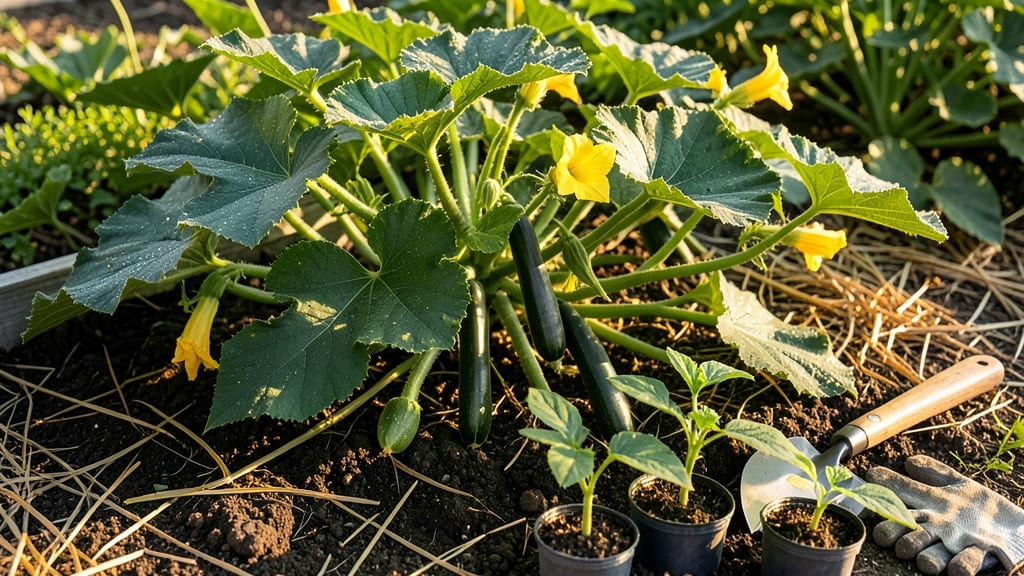
Planting zucchini in the best place with full sun and rich soil is the secret to bountiful harvests 🎃—and skipping this step means watching your vines struggle instead of thrive.
If you’ve ever planted zucchini only to see it bolt to seed or wilt under partial shade, you’re not alone. The truth? Zucchini demands 6+ hours of direct sunlight daily, and even a few inches of shade can cut your yield by half.
But here’s the good news: with the right spot, you can grow enough zucchini to feed your neighborhood—and I’ll show you exactly how.
From urban balconies to backyard plots, I’ll break down the ideal conditions for zucchini, including soil prep, spacing tricks, and even how to hack extra light in tight spaces. Whether you’re in USDA Zone 6a or a container garden, these tips will turn your zucchini dreams into reality.
Ready to grow like a pro? Let’s dive into the sunniest, most productive spots for planting zucchini—and why your next harvest could be your biggest yet.

Optimal sunlight requirements for zucchini growth
If you've ever planted zucchini only to watch your plants struggle with weak vines and tiny fruit, the culprit is likely insufficient sunlight. Zucchini plants are sun-worshippers, demanding 6-8+ hours of direct sunlight daily for peak production.
Without enough light, they’ll produce bitter fruit or fail to thrive entirely. The good news? With the right spot, you can transform your zucchini from underperforming to prolific.
Most gardeners assume all sunny spots are equal, but microclimates in your yard can create dramatic differences in light exposure. For example, a south-facing garden bed might get 8+ hours of sun, while just 10 feet away, a north-facing area could receive only 4 hours.
Understanding these variations is key to placing your zucchini where they’ll flourish. Even urban balconies can work with the right setup—think reflective surfaces or dwarf varieties.
Here’s the golden rule for zucchini sunlight: morning sun is non-negotiable, but afternoon sun is a bonus. Plants need those cool morning rays to start photosynthesis early, while intense afternoon heat can stress leaves.
In hot climates, provide light shade during peak afternoon hours (1-4 PM) to prevent leaf scorch while still ensuring full sun exposure overall.
To identify the best spot in your garden, start by observing your yard between 10 AM and 4 PM—this is when zucchini need the most light. Look for areas where sunlight hits directly without obstruction from fences, trees, or buildings.
A simple trick is to use a solar path calculator (available online) to map your yard’s sunlight patterns throughout the day. Even a 20% reduction in sunlight can cut your harvest in half, so precision matters.
For container gardening, prioritize south-facing windows or balconies with unobstructed views. If your space gets less than 6 hours of sun, consider grow lights (LED full-spectrum bulbs work best) for 12-14 hours daily.
Place containers on light-colored surfaces like white gravel or reflective trays to maximize light absorption. Pro tip: Rotate your pots quarter-turns weekly to prevent lopsided growth from uneven light exposure.
In hot climates (Zones 9-11), zucchini can suffer from leaf scorch if exposed to midday sun without relief. Provide 30-50% shade cloth during peak hours (12-3 PM) to protect leaves while still allowing 6+ hours of total sunlight.
This balance keeps plants healthy and prevents fruit from becoming sunburned or bitter. Mulch with straw or grass clippings to insulate roots and retain moisture during intense heat.
Don’t overlook vertical growing options like trellises or cages, which help zucchini vines access more sunlight by keeping leaves off the ground. Bush varieties like 'Patio Star' or 'Eight Ball' are ideal for small spaces, as they grow compact and bushy while still demanding full sun.
If you’re using a trellis, train vines to climb upward—this exposes more leaf surface to sunlight and improves air circulation, reducing disease risk.
One common mistake is assuming that any sunny spot will do—but zucchini are heavy feeders and need nutrient-rich soil and sunlight to perform.
Combine their 6-8 hours of sun with compost-amended soil and regular watering (1-2 inches per week), and you’ll see the difference in vigor and fruit production. Skip either sunlight or nutrients, and you’ll end up with stunted plants and poor harvests.
Ready to test your spot? Plant a test zucchini in your chosen location and monitor its growth for 2 weeks. Healthy leaves should be dark green and upright, not yellow or wilting.
If leaves start curling or turning pale, it’s a sign of insufficient light or nutrient deficiency. Adjust your planting location or supplement with grow lights as needed. With the right sunlight, your zucchini plants will reward you with bountiful, tender fruit all season long.
Best soil conditions and companion plants for zucchini success
Zucchini thrives when planted in rich, well-draining soil with a pH between 6.0 and 7.0. This neutral-to-slightly-acidic range ensures your plants absorb essential nutrients like nitrogen and phosphorus efficiently.
If your soil tests higher or lower, amend it with compost or peat moss to adjust the pH naturally. Organic matter like aged manure or leaf mold improves soil structure and moisture retention, which zucchini loves.
While zucchini needs fertile soil, it hates soggy roots. Poor drainage leads to root rot, a common issue in heavy clay soils. To fix this, mix in sand or perlite to create air pockets.
Raised beds are perfect for zucchini because they offer better drainage and warmer soil temperatures, giving your plants a head start in cooler climates. If you're unsure about your soil's drainage, do the percolation test—dig a hole, fill it with water, and time how long it takes to drain.
Ideal drainage means water disappears in 4-6 hours.
Pros and Cons: Best Places to Plant Zucchini
✔️ Best drainage and space for vines
✔️ Natural soil fertility if composted
✔️ Easier pest control with companion plants
❌ Risk of soil-borne diseases if reused
✔️ Superior drainage and warmer soil
✔️ Customizable soil mix for zucchini needs
✔️ Reduces weeds and pest access
❌ Higher initial cost for materials
✔️ Great for small spaces or urban gardens
✔️ Easy to move for sunlight optimization
✔️ No soil depletion over time
❌ Dries out faster; needs frequent watering
Strategic companion planting can transform your zucchini patch from a pest magnet to a thriving ecosystem. Marigolds are my top recommendation—their strong scent repels cucumber beetles and aphids, which love zucchini leaves.
Plant them in a ring around your zucchini or intersperse them every 2-3 feet. Nasturtiums also work wonders; they attract beneficial insects like ladybugs while acting as a trap crop for pests. Plus, their edible flowers add a peppery kick to salads!
On the flip side, avoid planting zucchini near potatoes or squash, as they compete for the same nutrients and attract similar pests. Corn is another no-go—it shares diseases like bacterial wilt.
Instead, pair zucchini with beans or peas, which fix nitrogen in the soil, giving your zucchini a natural boost. Herbs like basil also make excellent companions; they improve flavor and deter pests like whiteflies.
Don’t overlook the power of mulching to protect your zucchini’s roots. Apply a 2-3 inch layer of straw or shredded leaves around the base of plants to retain moisture, suppress weeds, and regulate soil temperature. Just keep mulch 2 inches away from stems to prevent rot.
For extra pest control, sprinkle diatomaceous earth lightly around plants—it’s non-toxic but deadly to soft-bodied insects like squash bugs. Reapply after rain to maintain effectiveness.
Finally, rotate your zucchini’s planting location each year to prevent soil-borne diseases and nutrient depletion. If you’re short on space, practice intercropping—plant fast-growing radishes or lettuce between zucchini plants early in the season.
This maximizes your garden’s productivity while giving zucchini plenty of room to sprawl as it matures. With the right soil and companions, your zucchini will reward you with bountiful harvests all season long! 🎃