
Planting
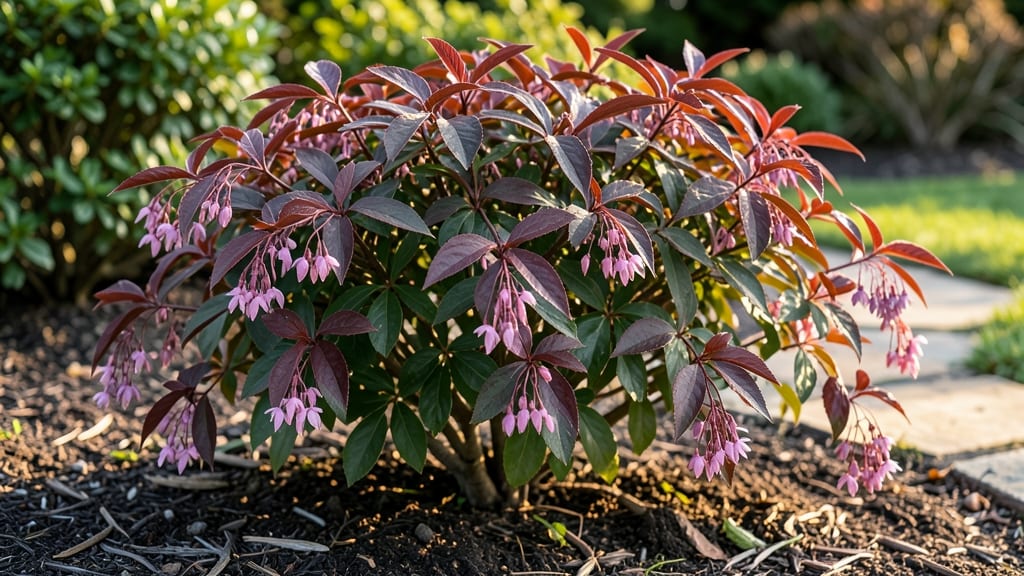
Growing loropetalum in Zone 6 requires winter protection since most varieties only survive in USDA Zones 7-10, where temperatures rarely drop below 10°F. Use heavy mulching, microclimates, or container cultivation to shield roots from freezing, and select cold-tolerant cultivars like 'Purple Gem' for better frost resistance.
Loropetalum's tropical origins make it sensitive to cold, with most varieties suffering leaf burn or dieback when temperatures dip below 15°F. 🌿 The key to success in Zone 6 is creating a protected environment—whether through thick mulch layers, south-facing walls, or movable containers.
I've found that even the hardiest cultivars need extra care during harsh winters, so planning ahead with these strategies can make all the difference in keeping your loropetalum thriving year-round.
For best results, focus on root insulation first—adding 4-6 inches of mulch around the base helps regulate soil temperature. If you're using containers, bring them indoors or wrap them in burlap during freeze warnings.
The 'Purple Gem' cultivar stands out as the most reliable choice for colder climates, but even it benefits from these protective measures during extreme cold snaps.
💡 In This Article
- Understanding Loropetalum Cold Hardiness Limits
- Zone 6 Loropetalum Survival Strategies
Understanding loropetalum cold hardiness limits
Loropetalum's struggle in Zone 6 stems from its tropical origins in East Asia, where it thrives in warm, humid climates with temperatures rarely dropping below 30°F.
The plant's delicate leaves contain thin, waxy cuticles that provide minimal protection against frost, making them highly susceptible to damage when temperatures fall below 15°F.
This is why most commercial varieties are rated for USDA Zones 7-10—their cellular structure simply can't withstand the prolonged freezing that Zone 6 winters deliver.
The critical threshold for tissue damage occurs when cellular water freezes and expands, rupturing the plant's delicate leaf structures.
You'll notice this as brown, crispy edges or blackened foliage—symptoms that appear within 24-48 hours of exposure to 10°F or colder temperatures. 🌿 Unlike hardy shrubs that develop protective sugars or antifreeze proteins, loropetalum lacks these adaptations, making it particularly vulnerable during sudden cold snaps.
Even brief dips to 20°F can cause significant leaf burn, while prolonged exposure below 15°F often leads to complete dieback.
Comparing loropetalum to more cold-tolerant plants like boxwoods (Zone 5) or inkberry holly (Zone 4) highlights the stark difference in hardiness. Boxwoods, for example, can survive -15°F thanks to their thick, leathery leaves and deep root systems, while loropetalum's shallow roots and tender foliage make it far more sensitive.
This is why gardeners in Zone 6 must treat loropetalum like a tender perennial—requiring the same level of winter protection as roses or camellias.
What makes this particularly challenging is how quickly loropetalum responds to temperature fluctuations. Unlike some plants that can recover from light frosts, loropetalum's leaves often show irreversible damage after just one night below 20°F.
The plant's growth habit—with its arching branches and semi-evergreen foliage—also makes it less resilient than evergreen shrubs that can shed water and reduce frost damage through their needle-like structures.
The science behind this sensitivity lies in the plant's cellular membrane composition. Loropetalum's membranes contain higher proportions of unsaturated fatty acids, which remain fluid at warmer temperatures but become brittle when chilled.
This causes the membranes to rupture when ice crystals form, leading to cell death. 💫 This is why even partial protection—like placing the plant near a south-facing wall—can make a dramatic difference in survival rates during Zone 6 winters.
Understanding these biological limits helps explain why 'Purple Gem' stands out as the most cold-tolerant cultivar. While it still can't survive unprotected Zone 6 winters, its slightly thicker leaf cuticle and more robust root system allow it to tolerate brief exposures to 10°F better than other varieties.
This makes it the best choice for gardeners willing to implement protective measures rather than giving up on loropetalum entirely.