
Planting
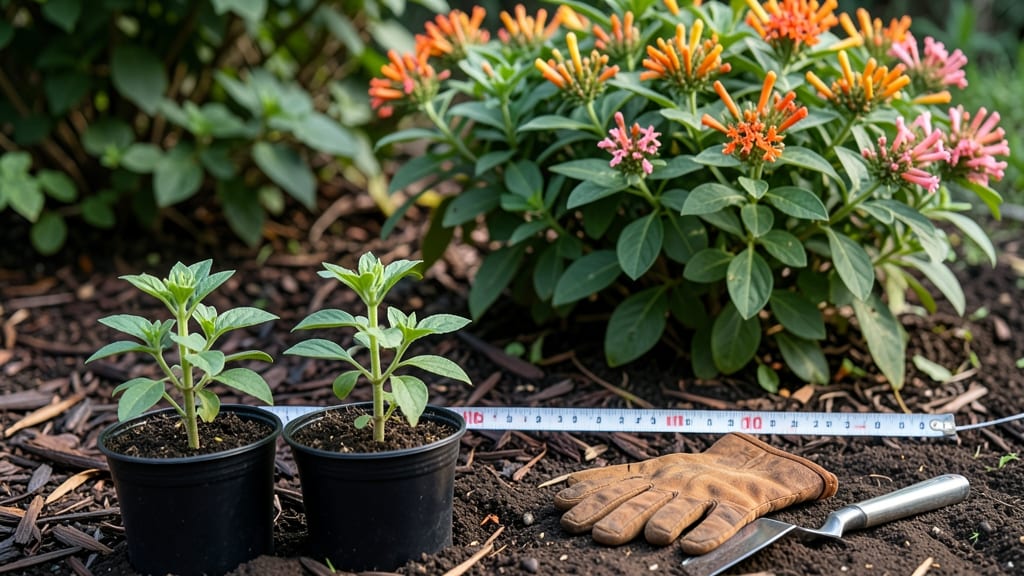
The best place to plant lantana is in full sun, where it delivers nonstop blooms from spring until frost. 🌞 I learned this the hard way—my first lantana, tucked in partial shade, produced just a handful of flowers before wilting by midsummer.
Now I know: these heat-loving shrubs thrive where other plants struggle, turning sunny borders and containers into vibrant, low-maintenance displays. The ideal spot combines 6+ hours of direct sunlight with well-draining soil that mimics their native sandy habitats.
In drought-prone areas like the Southwest or coastal gardens, lantana practically begs for neglect—it tolerates poor soil and salt spray better than most plants. Just avoid heavy clay or waterlogged spots, which cause root rot faster than you can say "wilting."
You’ll see the difference within weeks: dense clusters of flowers in every color but blue, with new blooms pushing out old ones all season.
The key is spacing them 2-3 feet apart in borders or using one plant per 5-gallon container—this prevents overcrowding and keeps air circulating for healthier growth. Works in USDA zones 8-11 and even as annuals in cooler climates.
Whether you’re lining a patio or filling a hanging basket, lantana’s heat tolerance and drought resistance make it the ultimate no-fuss, high-impact choice for sunny spots.
📚 In This Guide
- What you need
- Instructions
- Tips and common mistakes
- Wrapping up and next steps
What you need
- ● Lantana plants: 3–5 healthy nursery-grown plants (choose varieties like Lantana camara or Lantana montevidensis for best color).
- ● Well-draining potting mix: 1–2 bags (for containers, use a blend with perlite or sand).
- ● Garden soil (if planting in-ground): Amend with 2–3 inches of compost for nutrient-rich soil.
- ○ Containers (optional but recommended): 12–18" pots (1–2 per plant) with drainage holes.
- ● Organic mulch: 1–2 bags (pine bark or shredded leaves to retain moisture).
- ● Slow-release fertilizer: 10–10–10 or 14–14–14 (1 lb per 10 sq ft).
- ● Gloves & knee pads: For comfortable handling.
- ● Trowel or hand shovel: For digging holes (6" wide/deep for containers, 12" for in-ground).
- ● Watering can or hose with nozzle: Gentle stream for post-planting hydration.
- ● Pruning shears: To trim leggy stems and encourage bushiness.
- ○ Measuring tape (optional): For spacing plants 12–18" apart.
- ● Full sun location (6+ hours of direct light daily).
- ● Drought-tolerant site (lantana hates soggy roots!).
- ● Check local frost dates—lantana thrives in USDA Zones 8–11 (use containers for cooler climates).
Step-by-Step guide to planting lantana for vibrant year-round displays
Lantana thrives where others falter—here’s how to position it for maximum impact and resilience.
☀️ Step 1: Select the Sunniest, Warmest Spot Available
Lantana demands full sun exposure—at least 6-8 hours daily—and performs best in USDA Zones 8-11. In cooler climates, plant it in containers you can move indoors during winter. Look for areas with south or west-facing walls, as these trap heat and extend the growing season.
Here’s the thing—lantana’s brightest blooms come from hotter microclimates. If your yard has a paved patio, a brick wall, or a gravel path nearby, that’s prime real estate. The reflected heat and dry conditions mimic its native tropical habitats. Avoid shady spots or areas with afternoon shade—you’ll end up with leggy stems and sparse flowers.
🪴 Step 2: Choose Containers or Garden Beds Based on Climate
For year-round color in warm zones, plant lantana in well-draining garden beds with sandy or loamy soil. Amend heavy clay with compost and perlite to prevent root rot. In cooler regions, opt for 10-12 inch pots with drainage holes—terracotta works best because it breathes and helps regulate moisture.
I like to group lantana with other heat-loving plants like salvia, verbena, or succulents to create a cohesive, low-maintenance border. If planting in containers, use a 50/50 mix of potting soil and perlite to ensure excess water drains quickly. Lantana hates soggy roots, so never use garden soil alone—it compacts and suffocates the plant.
✂️ Step 3: Plant at the Right Depth and Spacing
Dig a hole twice as wide as the root ball but only as deep as the container’s base. Lantana roots are shallow, so planting too deep can cause rot. Gently tease apart any circling roots before placing the plant in the hole. Space plants 18-24 inches apart in garden beds to allow airflow and prevent fungal diseases.
For container plantings, place one mature plant per 10-12 inch pot—crowding leads to competition for water and nutrients. Fill gaps with the amended soil mix, then water deeply until it drains from the bottom. You’ll know it’s right when the top inch of soil feels damp but not waterlogged. Mulch with 1 inch of gravel or pine bark to retain moisture and suppress weeds.
💧 Step 4: Water Strategically for Continuous Blooms
Lantana is drought-tolerant once established, but young plants need consistent moisture for the first 4-6 weeks. Water deeply 2-3 times per week until the soil is 6 inches deep and evenly damp. After that, reduce to once a week, letting the top inch dry out between waterings. Overwatering is the fastest way to kill lantana—it’s adapted to arid conditions.
Here’s a pro tip: Water in the early morning to allow foliage to dry before evening. Wet leaves at night invite fungal diseases like powdery mildew, which can defoliate plants quickly. If you’re growing lantana in containers, check soil moisture daily during heatwaves—small pots dry out faster than garden beds.
🌿 Step 5: Prune and Deadhead for Long-Lasting Color
Pinch back leggy stems when plants are 6-8 inches tall to encourage bushier growth. Use clean, sharp pruners to trim just above a leaf node. Deadhead spent blooms weekly by snipping the entire flower head—this redirects energy to new growth and prolongs the blooming season. Lantana blooms in cycles, so consistent deadheading keeps flowers coming.
In fall, give lantana a light haircut to remove any dead or diseased wood. If you’re growing it in containers and need to overwinter, prune back one-third of the plant before bringing it indoors. Place it near a south-facing window and reduce watering to once every 2-3 weeks until spring. With the right care, your lantana will reward you with nonstop color for years.
Tips & tricks for perfect lantana planting
These game-changing strategies will help you transform your lantana into a vibrant, year-round showstopper.
Sun Exposure Secret: The 6-8 hours of daily sun in Step 1 is non-negotiable for those signature lantana blooms. I've seen gardeners place their plants near south-facing windows or against brick walls during summer—this reflected heat can push your lantana into producing even more flowers. For containers, rotate them weekly to ensure even sun exposure on all sides, preventing lopsided growth.
Soil Mix Mastery: When creating that 50/50 potting mix in Step 2, I recommend adding a handful of perlite to every gallon of mix for containers. This prevents compaction and improves drainage, which is critical since lantana roots despise soggy conditions. For garden beds, test your soil's drainage by doing the "squeeze test"—if it stays in a clump when squeezed, amend with more perlite or coarse sand.
Pruning Precision: The weekly deadheading in Step 5 works wonders, but here's what nobody tells you—use clean pruners and make cuts just above the leaf node where new growth emerges. This simple technique encourages bushier plants and more flowers. I like to deadhead every other day during peak bloom season to maintain that continuous color promise.
Overwintering Strategy: For container-grown lantana in cooler zones, don't just move them indoors—give them a full health check first. Remove any yellowing leaves and trim back one-third of the plant before bringing it near that south-facing window. This mimics their natural dormancy period and prevents shock when spring arrives. Reduce watering to once every 2-3 weeks, as the plant's metabolic rate slows dramatically during winter.
Pro Tips for Best Place To Plant Lantana
- These game-changing strategies will help you transform your lantana into a vibrant, year-round showstopper.
- Sun Exposure Secret: The 6-8 hours of daily sun in Step 1 is non-negotiable for those signature lantana blooms.
- Soil Mix Mastery: When creating that 50/50 potting mix in Step 2, I recommend adding a handful of perlite to every gallon of mix for containers.
Frequently asked questions
Got questions about planting lantana?
Here are answers to the most common ones—whether you're a first-time gardener or a seasoned pro looking to refine your approach.
What’s the best time of year to plant lantana?
Plant lantana in early spring after the last frost, or in late summer/early fall (6-8 weeks before your first frost). Avoid winter planting—lantana is tender and won’t survive cold snaps. If you’re in a warm climate (zones 9-11), you can plant year-round!
Can lantana grow in containers? If so, what size pot should I use?
Lantana thrives in containers with at least 12–18 inches of depth and drainage holes. Use a well-draining potting mix, and choose a pot with a width of 12+ inches for bushier growth. Terracotta pots help prevent root rot in hot climates.
Is lantana toxic to bees or butterflies? Should I avoid it?
Not at all—lantana is a pollinator magnet! Its tiny flowers attract bees, butterflies, and hummingbirds. Just avoid Lantana camara varieties if you’re in Hawaii or Florida (they’re invasive there). Opt for sterile cultivars like ‘New Gold’ or ‘Miss Huff’ for worry-free gardening.
Why is my lantana turning yellow or dropping leaves?
Yellowing leaves or leaf drop usually mean overwatering, poor drainage, or root rot. Let the soil dry out between waterings—lantana prefers drought-like conditions. If your pot lacks drainage, repot with cactus/succulent mix. Brown edges? That’s often sun scorch—try light shade in peak afternoon heat.
What are some low-maintenance alternatives to lantana?
If lantana’s too aggressive for your space, try these drought-tolerant, colorful picks:
- Salvia (e.g., ‘Black and Blue’): Thrives in heat, attracts pollinators.
- Verbena: Spreading habit, vibrant blooms, and deer-resistant.
- Zinnia: Fast-growing annual with bold flowers (great for cutting).
- Portulaca (Moss Rose): Succulent-like, thrives in poor soil.
How do I prune lantana to encourage bushier growth?
Prune lantana after flowering (late summer/fall) to shape it and remove leggy stems. Cut back 1/3 of the plant to encourage dense, bushy growth. Deadhead spent blooms to prolong flowering—but leave some seed heads for winter interest!
Wrapping up and next steps
Choosing the perfect spot for your lantana can transform your garden into a vibrant, low-maintenance paradise! 🌿 Whether you opt for sun-drenched borders, containers, or even drought-prone areas, lantana thrives with minimal fuss—just give it plenty of sunlight and well-draining soil.
With its year-round blooms and pest-resistant charm, you’re set for a colorful, hassle-free gardening experience.
Now that you’re armed with the ideal planting tips, roll up your sleeves and get planting! Start small—try a container on your patio or a sunny border—and watch your lantana flourish. Happy gardening! 🌸