
Planting
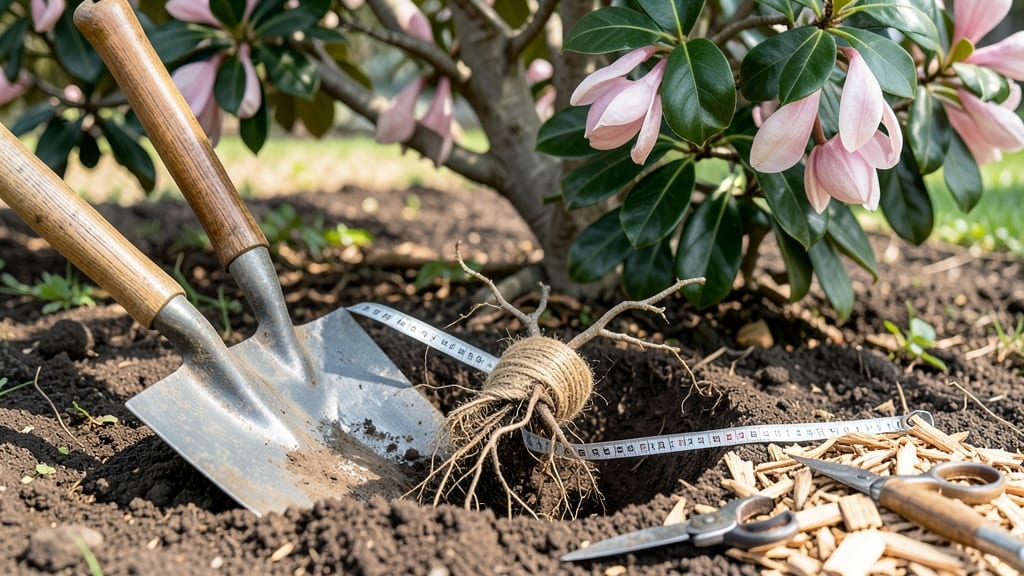
The best place to plant a magnolia tree is where morning sun meets afternoon shade—this sun-dappled spot unlocks their full potential. 🌿 I planted mine near the house's eastern wall, where it gets 4-6 hours of gentle sunlight daily.
The key isn't just sunlight; it's the right balance that keeps leaves lush and blooms abundant without scorching in peak summer heat. Magnolias thrive in well-draining soil with a slightly acidic pH (6.0-6.5), but they're forgiving if you amend clay or sandy soil with compost.
Space matters too: give mature trees 15-25 feet of clearance to prevent root competition and allow their iconic branches to spread gracefully. A mulched base helps regulate moisture and keeps roots cool.
What you'll end up with is a year-round showstopper—fragrant spring blooms, glossy summer foliage, and fiery fall colors. The tree's natural shape and seasonal drama make it a focal point that outshines any generic shrub. Just avoid low spots where water pools or compacted soil that stunts growth.
Perfect for foundation plantings, entryways, or as a standalone specimen. Here's how to pick the ideal spot in your yard!
📚 In This Guide
- What you need
- Instructions
- Tips and common mistakes
- Wrapping up and next steps
What you need
- ● Magnolia tree: Choose a healthy, container-grown specimen (3–5 gallons) or a bare-root sapling (for spring planting). Popular varieties include Magnolia grandiflora (Southern magnolia) or Magnolia stellata (star magnolia).
- ● Shovel: A sturdy round-point or digging shovel (18–24" length) for digging the hole.
- ○ Garden fork or tiller: To loosen soil in compacted areas (optional but helpful for clay-heavy soil).
- ● Native soil or amended mix: Topsoil: 2–3 bags (40–60 lbs each) for backfilling.
- ● Compost: 1–2 bags (40 lbs each) to improve drainage and fertility.
- ○ Sand (optional but recommended for clay soil): 5–10 gallons to enhance drainage.
- ● Mulch: 2–3 cubic feet of pine straw, wood chips, or shredded bark (avoid fresh wood chips near the trunk).
- ● Watering can or hose with nozzle: 5+ gallons of water for initial planting.
- ● Gloves: Heavy-duty gardening gloves to protect your hands.
- ● Soil test kit: To check pH (magnolias prefer acidic soil, pH 5.0–6.0).
- ● Slow-release fertilizer: 1–2 lbs of balanced 10-10-10 or acid-loving plant fertilizer (sprinkle into the hole).
- ● Tree stakes (2–3) + soft ties: For young trees in windy areas (remove after 1 year).
- ● Root stimulator: A powder or gel to encourage root growth (follow package instructions).
- ● Drip irrigation system: For consistent moisture, especially in hot climates.
How to choose the perfect spot for your magnolia tree
Here’s the secret to a thriving magnolia—it’s all about that golden balance of sun, shelter, and soil.
🌿 Step 1: Find the Sweet Spot Between Sun and Shade
Magnolias adore morning sun and afternoon shade, especially in hotter climates. Look for a location that gets 4-6 hours of direct sunlight but is protected from the harsh afternoon rays that can scorch delicate leaves. I always check the tree’s future shadow path—if it’s fully exposed by noon, it’s not the right spot.
Young trees can handle a bit more sun, but mature magnolias will reward you with bigger blooms and lusher foliage when given that gentle dappled light. If your yard is full sun all day, plant on the north or east side of a building or large shrub to break the intensity.
☀️ Step 2: Shield from Harsh Winds and Cold Drafts
Magnolias have tender branches that can snap in strong winds, and their roots dislike sudden temperature swings. I always scout for spots near natural windbreaks—like fences, walls, or clusters of evergreens—but avoid tight corners where cold air pools in winter. A slight slope can help too, as it allows water to drain away from the roots.
If your yard is wide open, consider planting near a south-facing wall for winter protection. Just make sure the wall isn’t so close it bakes the roots in summer. A 10-15 foot buffer from structures keeps the soil temperature stable year-round.
🪴 Step 3: Test the Soil for Drainage and Acidity
Magnolias hate soggy feet—well-draining, slightly acidic soil (pH 5.0-6.5) is their happy place. Before planting, dig a 12-inch hole and fill it with water. If it drains in under an hour, you’re golden. If it pools for hours, amend the soil with organic matter like compost or pine bark fines to improve texture.
I always do a quick pH test kit check—if your soil runs neutral or alkaline, mix in sulfur or peat moss to lower the pH gradually. Magnolias are fussy about this, but once you get it right, they’ll bloom like crazy for decades.
⏰ Step 4: Plan for Mature Size and Future Growth
Magnolias grow 15-40 feet tall and wide, depending on the variety, so placement matters. Measure the space between your tree and sidewalks, driveways, or other plants—you’ll want at least 10 feet of clearance for smaller varieties and 20+ feet for giants like Southern magnolias.
Think long-term: Will this spot interfere with power lines, foundations, or future hardscaping? I once planted a magnolia too close to a patio—now I’m regretting it every time I have to trim branches out of the way. Sketch a rough outline of the tree’s mature shape to visualize its impact.
💧 Step 5: Water Wisely Before and After Planting
New magnolias need deep, infrequent watering—1-2 inches per week—to encourage deep root growth. Water the hole thoroughly before planting, then soak the soil every 2-3 days for the first month until the tree establishes itself. After that, let the soil dry slightly between waterings to prevent root rot.
Mulch heavily (but not touching the trunk) with 3-4 inches of organic mulch to retain moisture and regulate temperature. I use pine straw because it mimics the tree’s natural forest floor conditions. Over time, this helps the roots spread wider and deeper, making your magnolia more resilient.
Tips & tricks for perfect magnolia tree placement
Here's what nobody tells you about creating the ideal home for your magnolia—these are the details that separate a struggling sapling from a showstopping centerpiece.
Sunlight Strategy: That 4-6 hour morning sun window in Step 1 is non-negotiable for mature trees, but here's the secret: use a simple shadow tracing trick. On a sunny day, place a stick in your potential spot at 9 AM and mark its shadow every hour. If the shadow moves past the stick by noon, you've got too much harsh afternoon sun. For smaller varieties, you can stretch this slightly to 6-8 hours, but they'll still need afternoon shade protection.
Windbreak Wisdom: When evaluating windbreaks in Step 2, prioritize evergreens—they provide year-round protection. I've seen magnolias with perfect morning sun locations ruined by winter winds because they were planted too close to deciduous trees. A good rule: if you can feel the wind at chest height where you're planting, find a better spot. For open yards, consider planting near a fence line where wind naturally slows.
Soil Science: The pH test in Step 3 is your best friend, but here's what to do if your soil tests outside the 5.0-6.5 range. For alkaline soils (above 7.0), mix in elemental sulfur at 1 pound per 100 square feet and retest in 3 months. For acidic soils (below 5.0), add lime instead—but only if your magnolia shows signs of iron deficiency (yellow leaves with green veins). The 12-inch hole test is perfect, but I also recommend digging a second test hole 18 inches deep to check for drainage issues lower down.
Future-Proofing: Step 4's mature size warnings are critical, but here's how to visualize it: draw a circle with a 20-foot radius around your planting spot. Everything within that circle should be non-negotiable structures. For smaller varieties, use a 10-foot radius. I always sketch this on my yard plans—it's saved me from costly mistakes with sidewalks and driveways. Pro tip: measure from the tree's eventual trunk flare, not the current planting hole.
Pro Tips for Best Place To Plant Magnolia Tree
- Here's what nobody tells you about creating the ideal home for your magnolia—these are the details that separate a struggling sapling from a showstopping centerpiece.
- Sunlight Strategy: That 4-6 hour morning sun window in Step 1 is non-negotiable for mature trees, but here's the secret: use a simple shadow tracing trick.
- Windbreak Wisdom: When evaluating windbreaks in Step 2, prioritize evergreens—they provide year-round protection.
Frequently asked questions
Got questions about planting your magnolia tree?
Here are answers to the most common ones—so you can plant with confidence and enjoy those stunning blooms for years to come!
Where is the best place to plant a magnolia tree in my yard?
A magnolia thrives in partial shade (3–6 hours of morning sun) with protection from harsh afternoon rays. Avoid full sun in hot climates (it can scorch leaves) or dense shade (which limits blooms). Test your spot: If it’s bright but filtered—like under tall trees or near a north-facing wall—it’s likely ideal!
When is the best time to plant a magnolia tree?
Plant in early spring (after the last frost) or fall (4–6 weeks before the first frost). Avoid summer heat or winter cold, which stress roots. Pro tip: Soak the root ball before planting to reduce transplant shock!
Can I plant a magnolia tree in a pot or container?
Yes, but choose a large container (at least 15–20 gallons) with drainage holes. Use well-draining soil and repot every 2–3 years. Note: Potted magnolias may bloom less than in-ground trees. If you love containers, opt for dwarf varieties like Magnolia ‘Little Gem’ for better adaptability.
What pests or diseases should I watch for after planting?
Magnolias are tough but can attract scale insects, aphids, or fungal diseases (like powdery mildew) in humid climates. Prevent issues by:
- Watering at the base (not overhead) to avoid fungal spores.
- Inspecting leaves regularly for sticky residue (sap from pests).
- Using neem oil or insecticidal soap if pests appear.
Are there any good alternatives if my yard doesn’t have the right conditions?
If your yard lacks shade or has poor drainage, consider these magnolia-like trees:
Tree
Sun Tolerance
Bonus Feature
Crape Myrtle
Full sun to partial shade
Drought-resistant, vibrant summer blooms
Dogwood
Partial shade
Stunning spring flowers, compact size
Camellia
Partial shade to shade
Winter blooms, glossy foliage
For shade-loving evergreens, try Leyland Cypress or Holly!
Wrapping up and next steps
Choosing the perfect spot for your magnolia tree is all about balance—sunlight, shelter, and soil work together to create a stunning, long-lived centerpiece for your garden. 🌿 Whether you opt for a sun-dappled corner, a wind-protected nook, or well-draining soil, these trees will reward you with breathtaking blooms and lush foliage for decades.
Now that you’re armed with the best practices, it’s time to roll up your sleeves, grab your shovel, and give your magnolia the home it deserves!
Ready to plant? Mark your calendar for the ideal season (spring or fall) and take that first step toward a garden that turns heads year-round. Happy planting! 🌱