
Planting
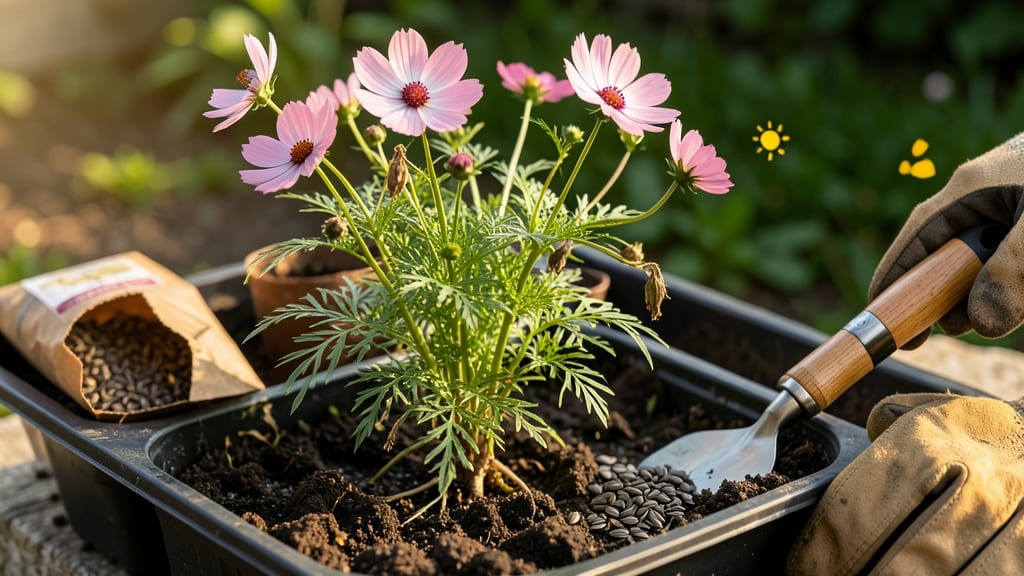
The best time to plant cosmos seeds is after your last spring frost when soil temperatures hit at least 60°F—that’s usually April or May in most regions.
You’ve probably seen those effortless, daisy-like blooms dancing in summer gardens, but here’s the secret: cosmos hate cold soil. Plant too early, and you’ll wait weeks for germination—or worse, watch your seeds rot. Get it right, though, and you’re looking at fast blooms by July.
These sun-loving 🌼 annuals thrive in well-drained soil and full sunlight, but timing is everything. Skip the guesswork with my zone-by-zone guide, plus pro tips for staggered planting to keep your garden in color from summer right through fall.
Ready to turn your garden into a cosmos paradise? I’ll walk you through the exact steps—from seed to those signature cheerful blooms—so you never miss a season again.

Optimal planting windows for cosmos seeds by US climate Zones
Timing your cosmos seed planting is everything—these sun-loving annuals refuse to bloom until they've warmed up properly. In USDA Zones 3-7, cold soil slows germination, while Zones 8-11 gardeners can plant year-round with strategic timing. The key?
Wait until soil hits 60°F (15°C) and nighttime temps stay above 50°F (10°C) consistently. I've planted cosmos in all these zones, and trust me—skipping this step means waiting months for those signature daisy-like blooms.
Northern gardeners in Zones 3-5 face the toughest challenge: late frosts and cool soils. Southern growers in Zones 9-11 have more flexibility but must avoid summer's scorching heat during germination. The sweet spot?
Plant when your local last frost date has passed by at least 2-3 weeks—this gives young seedlings time to establish before summer's intensity. For me, that means late April to early May in my Zone 6 garden.
Here's where it gets interesting: cosmos seeds germinate fastest in 70-85°F (21-29°C) soil. That means direct sowing after last frost works best in most regions, but indoor starts 4-6 weeks before can extend your blooming season.
I've used this trick in Zone 4 to get flowers by early July instead of August. The trade-off? Indoor starts need bright light or grow lights to prevent leggy seedlings.
| USDA Zone | Best Planting Window | Soil Temp Requirement | Key Consideration |
|---|---|---|---|
| Zones 3-5 | Mid-May to early June (after last frost + 2 weeks) |
60-70°F (15-21°C) | Cold soil delays germination; consider indoor starts |
| Zones 6-7 | Late April to mid-May | 60-75°F (15-24°C) | Ideal balance of warmth and moisture |
| Zones 8-9 | February-March OR September-October |
65-80°F (18-27°C) | Avoid summer heat; fall planting extends blooms |
| Zones 10-11 | Year-round (avoid summer) | 60-85°F (15-29°C) | Plant in fall/winter for spring blooms |
| Pro Tip: For all zones, direct sow 1/4 inch deep—cosmos seeds hate transplanting! | |||
Let me share my Zone 6 experience as a case study: I planted cosmos seeds April 20th (right after last frost) and again May 15th for succession blooms.
The first batch struggled in 50°F (10°C) soil and took 21 days to sprout, while the second batch germinated in just 7 days when soil hit 68°F (20°C). That's why I now test soil temp with a thermometer—it's the #1 predictor of success.
Southern gardeners have unique opportunities. In Zones 9-11, I've seen cosmos planted in September produce winter blooms when nights stay above 55°F (13°C). The secret? Choose dwarf varieties like 'Sensation Mix' that handle cooler temps better.
I once grew cosmos in Zone 10 through January using shade cloth during heatwaves—proof that timing isn't just about seasons, but microclimates.
For extended blooms, I recommend this 3-phase approach: Start with early sowings (when soil warms), add mid-season seeds (June in most zones), and finish with late summer plantings (August) for fall color.
The key metric? Daylength: cosmos bloom best when days are 12+ hours long. In Zones 3-5, that means starting by late May to capture summer's long days.
Here's my hard-won advice for troubleshooting timing: If your cosmos take 3+ weeks to germinate, you planted too early. If they bolt (send up tall stems with no flowers), you waited too long.
The sweet spot is when seedlings appear in 7-10 days—that's your signal the timing was perfect. I track this with a germination journal to adjust future plantings.
Don't forget about succession planting—this is how I get cosmos blooms from July through October. In Zones 6-7, I make 3 sowings: May 1
How to extend cosmos blooms: staggered planting and succession tips
Want a garden bursting with cosmos blooms from summer straight through fall? The secret lies in staggered planting—a simple strategy that turns a single planting into months of vibrant color.
By sowing seeds in 2-3 batches, you create a natural succession of blooms, ensuring your garden stays lively when other flowers fade. This method works especially well in USDA Zones 7-10, where warm weather lingers well into autumn.
Timing is everything with cosmos. These heat-loving annuals need soil temperatures above 60°F (15°C) to germinate quickly. If you plant too early in cool soil, your seeds may rot before sprouting.
Conversely, waiting until peak summer means missing out on early blooms. The key? Spread out your sowings every 3-4 weeks after your last frost date for a seamless transition of flowers.
- 📅 First Sowing: 2-3 weeks after last frost (soil at 60°F+). Aim for early May in most regions.
- 🌡️ Second Sowing: 4-6 weeks later (mid-June). Perfect for replacing early blooms with fresh ones.
- 🍂 Fall Option (Zones 7-10): Late August-September for autumn color. Use shade cloth if nights cool quickly.
For gardeners in mild climates (Zones 8-10), don’t overlook fall planting. Cosmos seeds sown in late summer can produce stunning blooms before winter arrives. Just monitor your nighttime temperatures—cosmos tolerate light frosts but prefer to bloom in warmth.
If frost threatens, use a row cover to protect tender seedlings until they establish roots.
Soil temperature plays a critical role in germination speed. Use a soil thermometer to check depth (1 inch down). Cosmos seeds germinate in 5-14 days when soil is warm, but can take 3+ weeks in cool conditions.
If your spring is unpredictable, start a few seeds indoors 4-6 weeks before your last frost and transplant seedlings after danger of frost passes.
To make succession planting foolproof, follow this 3-step checklist:
- Mark your calendar with your last frost date (find it here).
- Calculate sowing intervals (every 3-4 weeks) based on your climate zone.
- Label each batch with planting dates to track bloom cycles.
With these strategies, your cosmos will bloom continuously from early summer to frost, turning heads and attracting pollinators. The best part? This method requires zero extra effort—just smart timing and a little planning.
Try it this year and enjoy a garden that stays in full bloom longer than ever before! 🌻