
Planting
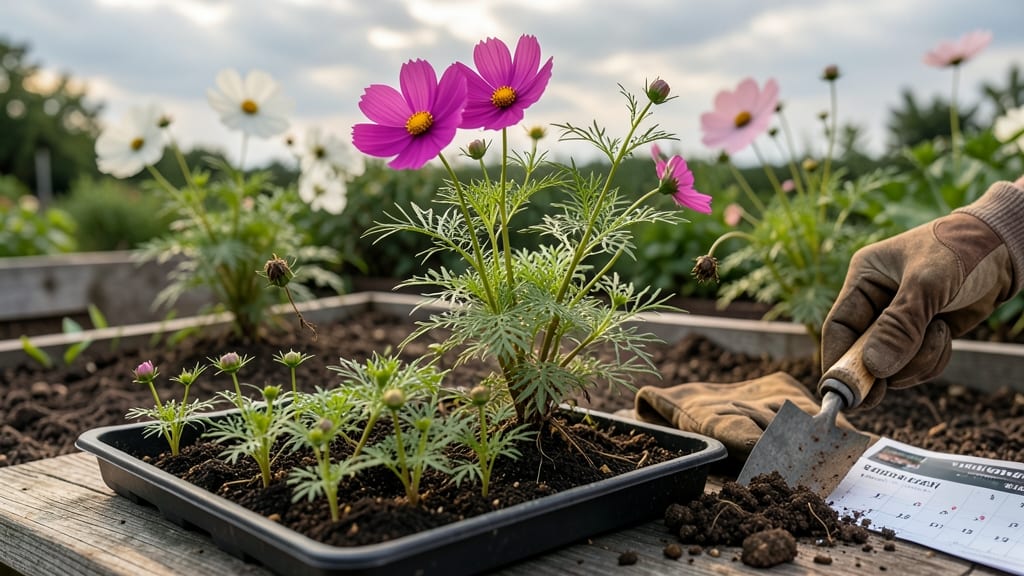
Is it too late to plant cosmos seeds for late-summer blooms? They might still work—even if your usual window has passed.
Worried your garden season is slipping away? Cosmos seeds might still be your secret weapon for late-summer blooms—if you plant them right. These fast-growing flowers thrive in warm soil and can even handle a light frost, making them perfect for a second planting push.
In Zone 6a and warmer, you’ve got time to direct-sow cosmos until late August or early September. The key is choosing quick-germinating varieties and giving them the right conditions to beat the first frost.
Below, I’ll walk you through the best late-season varieties, soil prep tricks, and watering schedules to keep your cosmos blooming well into fall—no matter how late you start.

When can you still plant cosmos seeds for late-season blooms?
If your garden season feels like it’s winding down, don’t toss those cosmos seeds just yet! These cheerful bloomers are surprisingly forgiving when it comes to late-season planting.
In fact, cosmos thrive when sown in late summer or early fall, often delivering stunning blooms right up until the first frost. The key is understanding your local frost dates and choosing the right planting method for your climate.
Cosmos seeds germinate quickly—often within 7-14 days—making them perfect for last-minute garden additions. Even if you’re in USDA Zone 5 or colder, you can still enjoy fall blooms by timing your planting just right.
The secret lies in calculating your last frost date and working backward to determine your ideal late-summer sowing window.
| Planting Window | USDA Zones | Days to Frost | Method | Notes |
|---|---|---|---|---|
| Late July - Early August | Zones 7-10 | 60-90 days | Direct Sow | Best for warm climates; blooms until frost |
| Mid-August - Early September | Zones 5-6 | 45-60 days | Direct Sow or Transplant | Use frost cloth for protection |
| Early September | Zones 3-4 | 30-45 days | Transplant Only | Start indoors 4-6 weeks prior |
| Late August - Mid-September | Zones 8-10 | 90+ days | Direct Sow | May bloom into winter in mild areas |
| September (if frost-free) | Zones 10+ | Unlimited | Direct Sow | Can plant year-round in frost-free zones |
For most gardeners, the ideal late-summer planting window falls between mid-August and early September, depending on your location. In warmer climates (Zones 8-10), you can even sow cosmos seeds as late as October and still enjoy blooms before winter sets in.
The trick is to ensure your plants have at least 45-60 days of warm weather to establish roots and produce flowers.
If you’re in a cooler climate (Zones 3-6), focus on transplanting rather than direct sowing. Start seeds indoors 4-6 weeks before your target outdoor date to give them a head start.
This method works especially well for ‘Sensation’ or ‘Bright Lights’ cosmos, which are known for their fast germination and cold tolerance compared to other varieties.
Don’t overlook soil preparation when planting late. Cosmos prefer well-draining soil with a pH between 6.0 and 7.0. Work in compost or aged manure a few weeks before planting to give your seeds a nutrient boost.
Since late-season soil can be cooler, consider adding a thin layer of mulch after sowing to retain moisture and warmth.
Watering becomes critical in late-season planting. Cosmos need consistent moisture during germination but become drought-tolerant once established. Aim to water deeply 2-3 times per week until seedlings emerge, then taper off to once weekly once they’re growing steadily.
Avoid overhead watering in the evening to prevent fungal diseases like powdery mildew, which can be a problem in humid late-summer conditions.
One of the biggest mistakes gardeners make when planting cosmos late is overcrowding. Thin seedlings to 12-18 inches apart to ensure good airflow and prevent competition for nutrients. This spacing also makes it easier to deadhead spent blooms, which encourages more flowers and extends your season.
With proper care, your late-planted cosmos could keep blooming until first frost—or even longer in mild climates!
For those in Zone 5 or colder, consider using frost cloth or a mini greenhouse to protect young plants. Even a simple row cover can buy you an extra 2-3 weeks of blooms before winter arrives.
Cosmos are self-seeding, so if you’re lucky enough to have plants survive the winter, you’ll likely see volunteers popping up in spring—giving you a head start on next year’s garden.
Remember, cosmos are notoriously easy to grow, even in less-than-ideal conditions. Their ability to thrive in poor soil and resist pests makes them a gardener’s best friend for last-minute plantings. So don’t let the calendar fool you—grab those seeds and give your garden a late-summer facelift with cosmos! 🌸
Fast-germinating cosmos varieties perfect for late planting
When your garden season feels like it's winding down, cosmos seeds can still deliver stunning late-summer blooms—if you choose the right varieties. The key? Fast germination (7-14 days) and varieties that thrive in cooler temperatures.
These traits let you squeeze in seeds even when time is running short before the first frost.
Why does germination speed matter? In short seasons, every day counts. Slow-sprouting seeds risk stalling before they even emerge, leaving you with bare soil by frost. Fast-germinating cosmos varieties give you a head start, ensuring blooms before winter sets in. Plus, their drought tolerance makes them low-maintenance once established.
Here are my top 5 fast-germinating cosmos varieties for late planting, each with unique colors and bloom times to extend your season:
'Bright Lights' is my go-to for late plantings. Its striped foliage adds visual interest, and it germinates in just 7-10 days. The pink and white blooms appear 50-60 days after sowing, often lasting until frost. This variety handles cooler temps better than standard cosmos, making it perfect for Zone 5-9 gardeners.
For bold color impact, try 'Sensation Mix'. This variety germinates in 10-14 days and produces deep pink, red, and white flowers that attract pollinators. It’s also self-cleaning, meaning it sheds spent blooms automatically—ideal when you’re too busy to deadhead in late summer.
If you love vibrant oranges, 'Cosmic Orange' won’t disappoint. It germinates in 8-12 days and reaches 3-4 feet tall, making it great for cut flowers. The bright orange blooms stand out against autumn foliage and often last until the first hard frost.
Don’t overlook 'Double Click' for a ruffled, double-bloom effect. While it takes 12-15 days to germinate, the extended bloom time (up to 90 days) makes it worth the wait. Choose this if you want romantic, lush flowers that resemble peonies.
For compact spaces, 'Purity White' is a dwarf variety (1-2 feet tall) that germinates in 7-10 days. Its pure white blooms create a striking contrast and thrive in containers or borders. This variety also resists powdery mildew, a common issue in humid late-summer conditions.
Pro tip: To maximize late-season blooms, plant these varieties in full sun and water consistently during germination. Once established, they’re drought-tolerant, but a light mulch helps retain moisture in cooler soils. With these fast-germinating cosmos, you’ll enjoy colorful blooms long after other annuals have faded!