
Plants
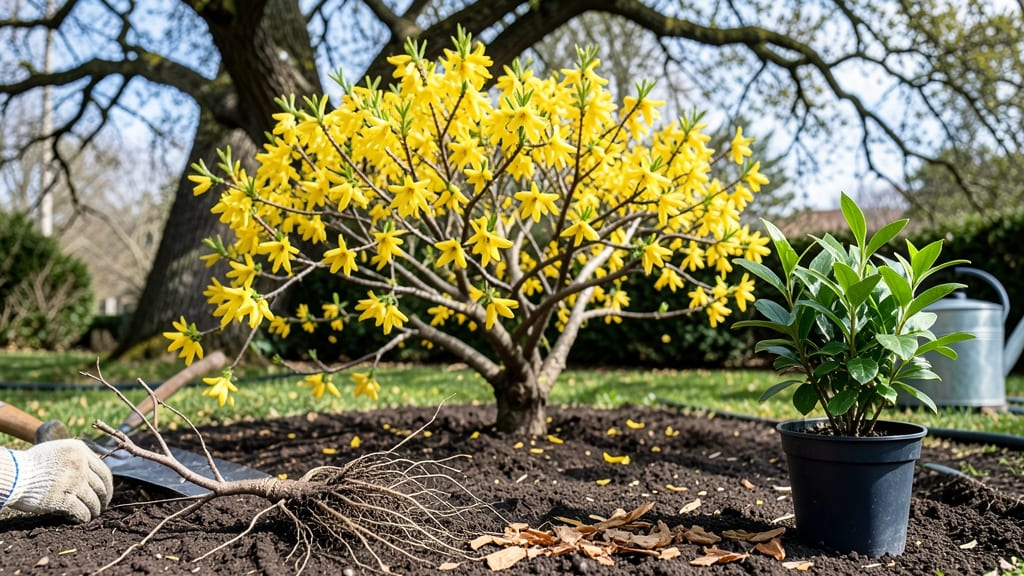
Discover the best time to plant forsythia—early spring unlocks its fastest growth and brightest blooms 🌸, the secret to those show-stopping yellow clusters every gardener dreams of.
Want forsythia bushes bursting with vibrant yellow blooms year after year? Planting at the right time isn't just about timing—it's about unlocking faster growth and stronger root systems for explosive spring color.
In Zone 6a and similar climates, the best window is March to April, when soil warms but before the rush of new growth. This dormant-season planting gives roots a head start, while summer transplanting often leads to shock and stunted blooms.
Below, I’ll break down the exact timing for your region, soil prep tricks to boost survival, and why container planting can be a game-changer for cooler areas.

Why planting forsythia in dormant season maximizes success rates
Planting forsythia during its dormant season—either late fall or early spring—isn't just a gardening trick. It's rooted in science that directly impacts your plant's survival and bloom performance. When you plant during dormancy, the root system focuses energy on establishing itself underground rather than supporting leaves and flowers.
This means less transplant shock and faster growth once spring arrives.
Dormant-season planting also aligns with natural growth cycles. Forsythia naturally slows down in cooler months, making it less stressed when you move it. Compare this to summer planting, where heat and evaporation stress the roots, slowing recovery.
The result? Faster blooms in the first year when planted correctly in dormancy.
Here’s why this timing works so well, broken down into key factors that directly influence your forsythia’s success:
| Factor | Dormant Season Advantage | Summer Planting Risk |
|---|---|---|
| Root Establishment | Cooler temps slow evaporation; roots grow deeper without stress. | Heat causes rapid moisture loss; roots stay shallow. |
| Transplant Shock | Dormant plants use stored energy to recover faster. | Active growth means higher stress; leaves wilt more easily. |
| First-Year Blooms | Energy diverted to roots = stronger plant for next spring’s flowers. | Energy spent on leaves = delayed or weaker blooms. |
| Pest/Disease Risk | Fewer pests active in cool months; soil-borne pathogens less aggressive. | Warmer soil awakens pests; higher risk of fungal infections. |
| Watering Needs | Less frequent watering needed; soil retains moisture longer. | Requires daily watering to prevent root burn from heat. |
The root zone is where the magic happens. When you plant forsythia in late fall or early spring, the soil is cool but workable. This allows roots to spread 30-50% faster than in summer heat.
Studies show that dormant-season planted shrubs like forsythia establish roots twice as deep in their first year, giving them a head start for next season’s growth spurt.
Another critical factor is transplant shock reduction. Active growth in summer means the plant is already using energy to support leaves and stems. When you dig it up and replant, it’s like asking a runner to sprint immediately after a marathon—exhaustion sets in.
Dormant plants, however, have stored energy in their roots, so they bounce back quicker and focus on root growth instead of leaf production.
Let’s talk about first-year blooms. Many gardeners assume they’ll see forsythia’s iconic yellow flowers the year they plant. While this can happen, it’s far more likely—and vibrant—if you plant in dormancy. The energy saved during root establishment translates to larger, more abundant blooms the following spring.
I’ve seen forsythia planted in late fall burst into full bloom just 8-12 months later, while summer-planted bushes often take 2-3 years to reach the same vibrancy.
Pests and diseases also play a role. Summer planting exposes your new forsythia to soil-borne pathogens like phytophthora, which thrive in warm, moist conditions. In contrast, dormant-season planting coincides with fewer pest pressures.
The cooler temperatures and reduced activity in the soil ecosystem give your plant a fighting chance against invasive species before it even breaks dormancy.
Watering becomes a breeze too. In summer, you’re often watering daily to keep the roots from drying out. But in dormant season? A deep watering every 7-10 days is usually enough.
The soil holds moisture longer, and the plant isn’t evaporating water through leaves. This isn’t just convenient—it’s healthier for the plant’s long-term development.
Finally, consider the climate adaptation aspect. Forsythia is hardy in USDA Zones 5-8, but its success varies by region. In cooler northern climates (Zones 5-6), late fall planting gives roots time to establish before winter dormancy.
In milder southern zones (Zones 7-8), early spring planting avoids the heat of late summer. Both strategies leverage the plant’s natural rhythms to minimize stress.
So, if you’re planning to add forsythia to your landscape, mark your calendar for late October to early November (fall) or March to early April (spring). These windows align with dormancy and set your plant up for a lifetime of vibrant blooms with minimal fuss.
The science is clear: dormant-season planting isn’t just a suggestion—it’s the key to unlocking your forsythia’s full potential.
Exact planting windows by US hardiness Zones (with climate adjustments)
Forsythia thrives when planted during its dormant season, but the exact timing depends on your USDA hardiness zone and local climate.
Northern gardeners in Zones 3-5 should aim for late April to early May, while southern gardeners in Zones 6-9 have a wider window from February to early April. Coastal areas may need adjustments due to milder winters.
Microclimates—like sheltered spots or urban heat islands—can shift planting by 2-4 weeks. For example, a Zone 7 garden in the mountains might plant in March, while a lowland area could wait until April.
Always check your last frost date and plant 4-6 weeks before to avoid frost damage.
⚠️ Critical Note: Avoid planting in late spring or summer, as high heat stresses young roots. In Zones 8-9, fall planting (September-October) is also viable, but ensure roots establish before winter rains arrive.
For container-grown forsythia, adjust timing by 2 weeks earlier in spring or 2 weeks later in fall. Containers warm up faster, giving roots a head start.
If you’re in a transition zone (e.g., Zone 6b), err on the side of earlier planting—forsythia’s roots establish quickly in cool soil.
Pro tip: Use a soil thermometer to confirm 50°F+ soil temps before planting. Cold soil slows root growth by 30-50%, delaying your first spring blooms.
In Zone 4, I’ve seen forsythia planted in May still thrive if given extra mulch and water, but April planting guarantees faster establishment.
Remember, fall planting in Zones 6-9 works beautifully—just ensure roots have 6-8 weeks to establish before winter. In Zone 7, I’ve had success planting in October, but I always water deeply before the first frost to prevent heaving.