
Planting
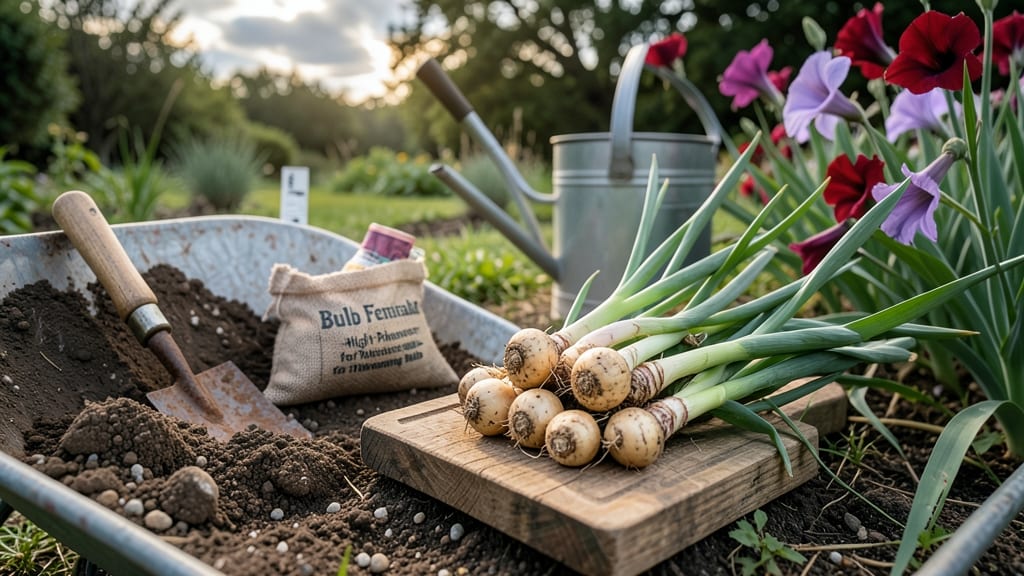
Planting gladioli bulbs at the best time ensures those striking 🌸 blooms rise tall and vibrant for your summer garden.
Want vibrant gladioli blooms that steal the show in your garden? Timing your planting based on soil temperature can make the difference between a spectacular summer display and a disappointing flop.
In USDA Zone 6a, the ideal window is early spring—April to May—when soil warms to 50-60°F. This triggers strong root growth before summer heat arrives, setting the stage for taller, healthier stems and bigger blooms.
Below, I’ll break down exactly when to plant by region, how to check soil temperature, and the 3 simple steps to prep your bulbs for a showstopping season.

Optimal soil temperature for planting gladioli bulbs
Gladioli bulbs thrive when planted in soil with temperatures between 50°F and 60°F. This ideal temperature range ensures strong root development before the heat of summer arrives.
Planting too early in cold soil can stunt growth, while waiting too long may lead to weak stems that flop under heavy blooms. Understanding this soil temperature trigger is key to unlocking those showstopping gladioli spikes you dream of.
Why does soil temperature matter so much? Gladioli bulbs are sensitive to cold soil, which can cause rot or delayed sprouting. When soil stays below 50°F, microbial activity slows, reducing nutrient availability.
Conversely, planting in soil warmer than 60°F can cause bulbs to sprout too quickly, leading to weak, leggy growth that struggles to support flowers. Finding that sweet spot ensures your gladioli get a strong start.
Most gardeners in USDA Zones 6-9 aim to plant gladioli bulbs 4-6 weeks before the last frost date. For example, in Zone 7, this typically means planting in mid-April, while Zone 9 gardeners might wait until late May.
The exact timing depends on your local climate, but soil temperature is the reliable predictor you can trust more than calendar dates alone.
To test your soil temperature accurately, use a soil thermometer inserted 4-6 inches deep (the planting depth for gladioli). Check temperatures in the morning when soil is cooler. If it's consistently below 50°F, wait a few more days.
If it's already above 60°F, consider using shade cloth or delaying planting until conditions cool slightly. This simple step can mean the difference between thriving plants and struggling ones.
| Soil Temperature | Planting Window | Growth Impact | Action Needed |
|---|---|---|---|
| Below 50°F | Wait 1-2 weeks | Slow root growth, risk of rot | Delay planting, use mulch |
| 50-60°F | Perfect planting time | Strong root development | Plant bulbs as planned |
| 60-70°F | Early summer planting | Rapid sprouting, potential legginess | Plant deeper, use shade |
| Above 70°F | Avoid planting | Weak stems, poor flowering | Wait for cooler soil |
For gardeners in cooler climates (Zones 3-5), consider using a cold frame or row covers to warm the soil. These tools can raise soil temperatures by 5-10°F, allowing you to plant gladioli 2-3 weeks earlier than usual.
In warmer climates (Zones 9-11), focus on late summer planting (August-September) to take advantage of cooler soil temperatures and avoid the peak heat.
Another pro tip: If you're planting in heavy clay soil, which stays cold longer, mix in compost or sand to improve drainage and warmth. Amending your soil not only helps with temperature regulation but also provides the nutrient-rich environment gladioli crave.
Aim for soil that's loose, well-draining, and fertile—this combo sets your bulbs up for success from day one.
Remember, gladioli bulbs are perennial in warm climates but often treated as annuals in colder regions. By planting at the right soil temperature, you're not just ensuring a great first year—you're also giving your gladioli the best chance to re-establish and multiply over time.
This means more stunning blooms year after year with minimal effort.
If you're unsure about your soil temperature, watch for local signs like daffodils blooming (a sign soil is warming) or check with your local cooperative extension service. They often provide free soil temperature data for your area.
With this knowledge, you'll be planting gladioli like a pro, ensuring those dramatic flower spikes become a garden centerpiece for seasons to come.
Once your gladioli bulbs are in the ground at the right temperature, maintain consistent moisture and full sun. These two factors, combined with your perfect planting timing, will reward you with bold, vibrant blooms that turn heads in any garden. Happy planting! 🌸
Regional planting timelines for gladioli bulbs
Timing your gladioli bulb planting by your USDA zone ensures vibrant summer blooms. Since gladioli thrive when soil temperatures reach 50-60°F, your planting window shifts based on last frost dates.
For example, gardeners in Zone 3-5 should plant bulbs in late May after soil warms, while Zone 8-10 gardeners can start as early as March.
Early blooming varieties like 'White Friendship' need slightly earlier planting—4-6 weeks before your last frost date—while late bloomers like 'Black Star' can wait until mid-June for a fall display. Always adjust for local microclimates, like urban heat islands or protected garden spots.
| USDA Zone | Last Frost Date | Best Planting Window | Soil Temp Trigger | Early Variety Tip |
|---|---|---|---|---|
| Zone 3-5 | Mid-May | Late May - Early June | 55-60°F | Plant 'Sarah' by May 15 |
| Zone 6-7 | Early April | April 20 - May 10 | 50-55°F | Start 'Pink Parfait' by April 25 |
| Zone 8-9 | Mid-February | March 15 - April 15 | 50°F+ | Plant 'Green Star' by March 20 |
| Zone 10-11 | None | January - February | 55°F+ | Choose 'Navajo' for winter blooms |
To calculate your frost-free window, subtract 120 days from your first frost date. For instance, if frost arrives November 1, plant by July 1 for fall blooms. Use a soil thermometer to confirm readiness—gladioli roots won't establish below 50°F, even if tops emerge.
For container gardening, plant bulbs 2-3 weeks earlier than ground planting since pots warm faster. Choose well-draining mixes with perlite to prevent rot. In cooler zones, use black plastic mulch to raise soil temps by 5-10°F and extend your planting window.
Adjust timing for late summer blooms by planting in early July—this works best in Zones 7-10. Choose heat-tolerant varieties like 'Red Beauty' and stake plants early to support their 4-foot stems before heavy blooms develop.
Pro tip: Mark your gladioli beds with biodegradable flags to remember where bulbs are planted. This helps avoid disturbing them during summer maintenance and ensures you don't accidentally dig up next year's blooms! 🌸