
Planting
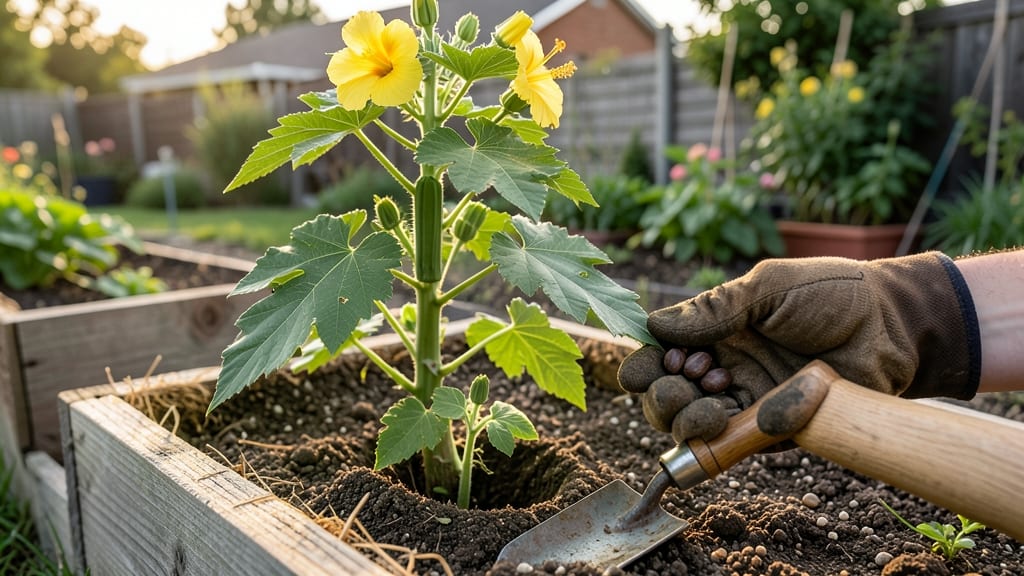
Planting okra seeds at the best time ensures fast germination and a bountiful harvest 🌱 — and that window starts when soil hits 65°F.
Struggling to grow thriving okra plants? Timing is everything—plant too early, and seeds rot in cold soil; too late, and your harvest shrinks before peak season.
The ideal window depends on your zone, but most gardeners in the U.S. should aim for late spring to early summer after the last frost.
Okra thrives in heat, so waiting for warm soil isn’t just about avoiding frost—it’s about giving those seeds the best shot at sprouting in 5-7 days instead of weeks.
In cooler climates like Zone 6a, that might mean waiting until May or June, while Southern growers can start as early as April.
Below, I’ll break down the exact soil temps to watch for, regional planting schedules, and pro tips to maximize your okra’s growth—so you can go from seed to pod in record time.

Optimal soil temperature and climate Zones for planting okra seeds
Okra thrives in warm soil and hot climates, making timing critical for germination and growth. Unlike cool-season crops, okra seeds need soil temperatures above 65°F to sprout reliably.
Planting too early in cold soil leads to slow germination or rot, while waiting too long risks shorter harvests before fall frosts. Understanding your USDA hardiness zone and local frost dates ensures you align planting with okra’s ideal conditions.
In the Southern U.S. (Zones 8-11), okra grows year-round in mild winters, but peak production occurs in late spring through summer. Gardeners in Zones 7 and below must wait until after the last frost date, typically May or June, when soil consistently stays warm.
Northern growers often extend seasons with row covers or raised beds, but okra still demands warmth to thrive.
Soil temperature is more critical than air temperature for okra. Use a soil thermometer to confirm readings of 65°F or higher at a 2-inch depth. If your soil is cooler, wait—okra seeds won’t germinate well below this threshold. In cooler zones, consider staggered planting every 2 weeks to prolong harvests as summer progresses.
Here’s how regional climates influence your planting window:
| Region | USDA Zones | Best Planting Time | Soil Temp Requirement | Notes |
|---|---|---|---|---|
| Southern U.S. | 8-11 | March–June (year-round in mild winters) | 65°F+ | Long growing season; may need shade in extreme heat. |
| Mid-Atlantic | 6-7 | Late May–June (after frost) | 70°F+ | Use black plastic mulch to warm soil faster. |
| Northern U.S. | 4-5 | June–July (short season) | 75°F+ | Start seeds indoors 4 weeks early or use row covers. |
| Desert Southwest | 9-10 | April–May (avoid peak summer heat) | 60°F+ (night temps matter) | Provide afternoon shade in extreme heat. |
For Zones 8-11, okra can be planted as early as March in coastal areas where frosts are rare. Inland regions may wait until April to avoid late-season cold snaps.
The key is ensuring 120+ frost-free days for full maturity—okra needs time to produce pods before temperatures drop below 50°F at night.
In Zones 6-7, focus on late May to early June planting. Use a soil warming trick like black plastic mulch or a cold frame to raise temperatures quickly.
If your area has short summers, opt for fast-maturing varieties like ‘Clemson Spineless’ (50–55 days) to maximize yields before fall frosts.
Northern growers in Zones 4-5 face the biggest challenges. Okra is not cold-hardy, so treat it as an annual with a short season. Start seeds indoors 4–6 weeks before your last frost date, then transplant seedlings into raised beds or containers after soil warms.
Expect a shorter harvest window—prioritize early-maturing varieties and harvest aggressively to encourage continuous production.
Regardless of your zone, avoid planting okra in spring if soil temps are below 65°F. Cold soil causes seeds to rot or sprout unevenly, leading to weak plants. Instead, wait for consistent warmth—even if it means delaying planting until June in cooler climates.
A few weeks of patience ensures stronger germination and healthier plants ready to produce pods.
Pro tip: Monitor nighttime temperatures—okra struggles when nights dip below 60°F. In Zones 7 and below, use row covers or cloches to protect young plants from unexpected chills. This simple step can extend your harvest by 2–3 weeks in marginal climates.
Once your okra is in the ground, maintain consistent moisture and full sun to encourage rapid growth. With the right timing, you’ll enjoy tender pods in as little as 50 days—but only if you’ve planted when soil and air temperatures align with okra’s needs. 🌱
5 Signs your soil is ready (and 3 mistakes to avoid before planting)
Okra thrives in warm soil and won’t germinate well if planted too soon. Even if your local last frost date has passed, cold soil can stall seeds for weeks. The key is checking soil temperature and observing natural cues that tell you it’s time to plant.
I’ve learned this the hard way—skipping these checks once left me waiting 3 weeks for germination!
Before rushing to plant, test your soil’s readiness using these 5 clear signs. Ignoring them often leads to poor germination or stunted growth. For example, I once planted okra in 55°F soil and only got 20% germination.
The difference when waiting for the right conditions? A 90% success rate the next season.
Use a soil thermometer (not air temp!) at 2-inch depth. Okra seeds need warmth to activate.
If pulled weeds return in 3-5 days, soil is warm enough for okra seeds.
Warm soil holds water longer. If it disappears in 2 hours, wait for warmer days.
Okra seeds rot in cold, wet soil. Check nightly lows for 2 weeks before planting.
If tomatoes, peppers, or beans are growing well, okra seeds will too.
Now, let’s talk about the 3 mistakes I’ve seen gardeners make that sabotage okra planting. First, overwatering before planting creates anaerobic conditions, suffocating seeds. I once saw a gardener drown their okra seeds by watering daily for a week before planting—zero germination.
Second, planting in shady spots (even with warm soil) starves plants of sunlight. Okra needs 6+ hours of sun, or it’ll bolt or produce poorly.
Third, skipping soil prep leads to compacted earth that blocks root growth. Always loosen soil 6-8 inches deep and mix in compost or aged manure. I’ve had okra plants struggle in unamended soil, even with perfect timing. The fix? A balanced 10-10-10 fertilizer at planting and again when flowers appear.
Pro tip: If your soil isn’t ready but you’re eager to plant, use black plastic mulch to warm it faster. Lay it down 2 weeks before planting—it can raise soil temps by 10°F+. Just remember to remove it after planting to avoid overheating roots.