
Planting
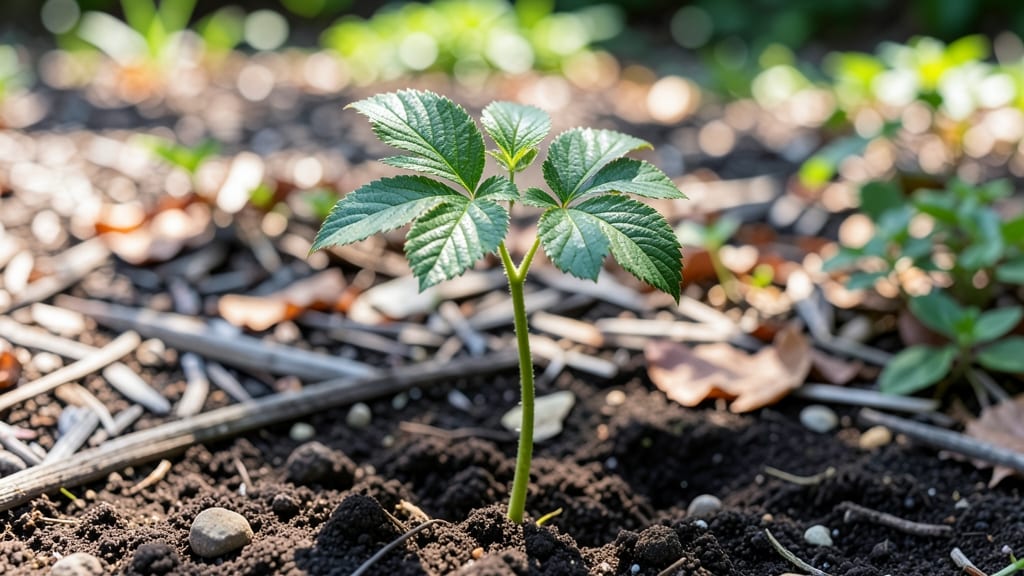
To grow a raspberry plant sprout, begin by soaking seeds in water for 24 hours, then transfer them to damp sphagnum moss under bright, indirect light. Maintain a warm environment (70–75°F) and consistent humidity to promote sprouting in 2–4 weeks, avoiding direct sunlight exposure.
Raspberry seeds need a gentle nudge to wake up from dormancy, and the right conditions make all the difference. 🌱 The soaking step softens the hard seed coat, while sphagnum moss mimics the forest floor's moisture—exactly what wild raspberries thrive in.
I’ve found that using a clear plastic dome over the container keeps humidity steady without overwatering, which is critical since soggy moss breeds mold. Warmth speeds up cellular activity, but too much heat can stress delicate sprouts before they even emerge.
Once your raspberry plant sprout appears, you’ll notice thin green shoots breaking through the moss—this is your cue to transition to a seedling tray. The key is patience; some seeds germinate in just 10 days, while others take up to 6 weeks, depending on variety and consistency of your setup.
I recommend labeling containers by date to track progress, as this helps adjust expectations and troubleshoot if germination stalls.
💡 In This Article
- Why Light Tricks Boost Raspberry Seed Germination
- DIY Raspberry Seedling Setup for Fast Growth
Why light tricks boost raspberry seed germination
Raspberry seeds are photoblastic, meaning they require specific light conditions to trigger germination. The seed coat contains pigments that absorb red light (660nm wavelength), which signals the embryo to break dormancy. Without this light cue, seeds may remain dormant for months—or never sprout at all.
Bright, indirect light mimics the dappled sunlight raspberries experience in their natural understory habitats, where they grow beneath taller plants.
Warmth works hand-in-hand with light to accelerate germination. At 70–75°F, enzymatic activity in the seed increases by 300% compared to cooler temperatures, breaking down stored nutrients faster. The moisture from sphagnum moss creates an ideal microclimate—similar to a forest floor after rain—where oxygen and water vapor balance perfectly.
Too much direct sunlight, however, can cause photooxidative stress, where excess UV light damages delicate seed tissues before they’ve even sprouted.
Here’s what’s happening at the cellular level: When red light hits the seed, it activates phytochrome proteins that convert light energy into chemical signals. These signals trigger the production of gibberellins, plant hormones that soften the seed coat and stimulate root growth.
Without this light stimulus, the seed remains in a suspended state, waiting for the right conditions—a process that can take years in nature.
Think of it like a natural alarm clock for the seed. The combination of warmth, moisture, and the right light wavelengths creates the perfect "wake-up call."
I’ve seen seeds germinate in as little as 7 days under these conditions, while others in cooler or darker setups may take 6+ weeks. The key is consistency—fluctuations in temperature or light can confuse the seed’s internal clock, delaying or preventing germination entirely.
For best results, place your container near an east-facing window where morning light is bright but not intense, or use a grow light with a 12-hour on/12-hour off cycle.
LED grow lights with a red-blue spectrum (660nm + 450nm) are particularly effective, as they mimic the sun’s most growth-stimulating wavelengths. Avoid placing seeds under hot grow lights, which can dry out the moss too quickly and stress the seeds before they sprout.
One common mistake is assuming brighter light is always better. While raspberry seeds need light to germinate, direct midday sun can overheat the container, causing the moss to dry out or even cook the seeds.
The goal is to provide enough light to trigger growth without creating heat stress—a delicate balance that explains why many gardeners struggle with slow or failed germination.