
Planting
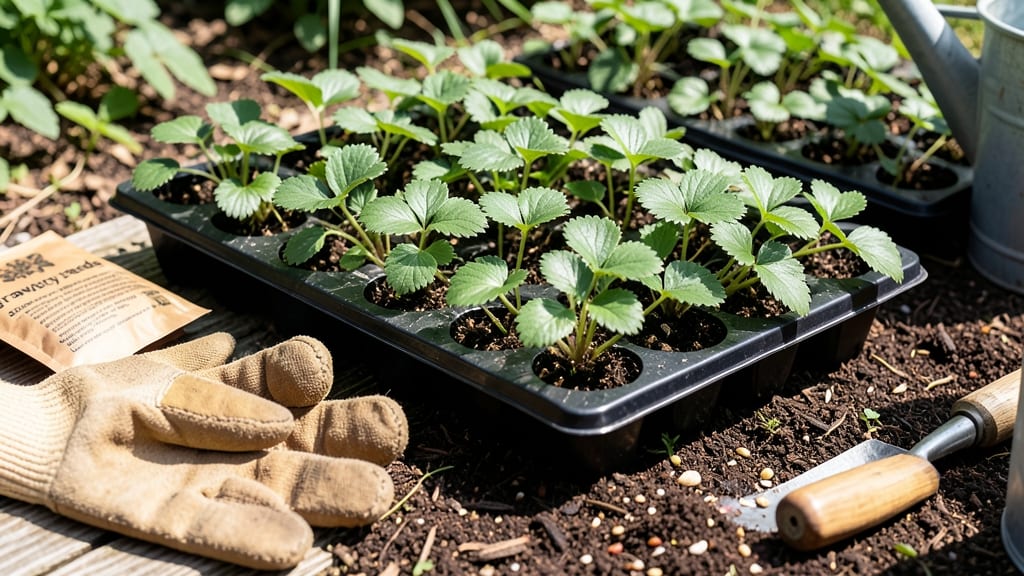
Planting strawberry seeds at the right time ensures faster germination and a bountiful harvest 🍓 — aim for when soil temperatures hit 50°F to 70°F.
Struggling to get your strawberry seeds to sprout? The secret lies in timing — planting too early or too late can mean the difference between a thriving patch of berries and wasted effort. Mastering soil temperature triggers unlocks faster germination and healthier plants.
In Zone 6a, like many gardens, the ideal window is late March through early April, when the ground warms enough to support seedling growth. But regional differences matter: coastal areas may start earlier, while inland spots need to wait until frost risk passes.
Below, I’ll break down the exact soil temps to target, how to test them, and pro tips to speed up germination — plus common mistakes that derail even the best-laid plans.

Soil temperature Zones for strawberry seed germination success
Strawberry seeds need consistent warmth to germinate, but the ideal soil temperature varies by USDA hardiness zone and variety. Most seeds sprout best between 50°F and 70°F, but cold-hardy varieties like 'Albion' can tolerate cooler soils down to 40°F.
Understanding your zone helps you time planting for faster germination and stronger seedlings.
In warmer zones (Zones 8–10), you can direct-sow seeds as early as late winter when soil reaches 60°F. In colder zones (Zones 3–6), start seeds indoors 6–8 weeks before your last frost date, using a heat mat to maintain 65°F–70°F soil temperatures.
Microclimates—like south-facing slopes or greenhouse beds—can also extend your planting window.
To test soil temperature accurately, use a soil thermometer buried 1–2 inches deep in moist soil. Check temperatures at 9 AM and 3 PM for consistency. If your soil runs cooler than ideal, try black plastic mulch or a cold frame to warm it up naturally.
Avoid planting when soil temps fluctuate wildly, as this stresses young seeds.
Cold-hardy varieties like 'Chandler' or 'Jewel' thrive in cooler soils (50°F–60°F), while tender varieties like 'Seascape' need 65°F+ to germinate reliably. Match your seeds to your climate to avoid slow or failed germination. For example, Zone 5 gardeners should prioritize June-bearing types over everbearing ones for cooler springs.
| USDA Zone | Ideal Soil Temp (°F) | Best Planting Window | Recommended Varieties | Microclimate Tips |
|---|---|---|---|---|
| Zones 3–5 | 50°F–60°F | Indoors: Feb–Mar Outdoors: Late April–May |
'Albion', 'Chandler', 'Honeoye' | Use black plastic mulch or row covers |
| Zones 6–7 | 55°F–65°F | Indoors: Jan–Feb Outdoors: Early April–May |
'Jewel', 'Seascape', 'Fort Laramie' | South-facing beds warm faster |
| Zones 8–9 | 60°F–70°F | Outdoors: Oct–Nov or Feb–Mar | 'Seascape', 'Camarosa', 'Portola' | Shade cloth for summer planting |
| Zones 10+ | 65°F+ | Outdoors: Year-round (avoid frost) | 'San Andreas', 'Tristar', 'Mara des Bois' | Drip irrigation for consistent moisture |
If your soil stays below 50°F for weeks, consider starting seeds indoors under grow lights or using a seedling heat mat ($15–$25). These tools maintain consistent warmth and speed up germination from 14–21 days to just 7–10 days.
For outdoor planting, aim to transplant seedlings when soil temps stabilize at 60°F+—this reduces transplant shock and encourages root growth.
Microclimates can shift your planting window by 2–4 weeks. For example, a south-facing raised bed in Zone 5 might reach 60°F by early April, while a north-facing corner may not warm up until May.
Use reflective mulch or clear plastic tunnels to create warmer pockets in cooler areas. Always monitor soil temps for at least 3 days before planting to avoid surprises.
Common mistakes like planting too early (when soil is still cold) or too late (missing the optimal temp window) lead to poor germination rates. For instance, seeds planted in 45°F soil may take 30+ days to sprout—or not sprout at all.
Use a soil thermometer (available for $10–$15) to avoid guesswork. Pro tip: Warm your soil naturally by covering it with straw mulch a week before planting to raise temps by 5–10°F.
For everbearing varieties, like 'Ozark Beauty', you can also try fall planting in Zones 6–9. Sow seeds in late summer (August–September) when soil temps drop to 65°F–75°F.
These plants develop roots in fall, then fruit the following spring. Just avoid planting when frost is forecasted within 2 weeks, as young seedlings are vulnerable.
Remember, soil temperature ≠ air temperature. On a 50°F morning, soil might still be 60°F+ from the day’s warmth. Check temps
Pro tips to speed up germination beyond just timing
Timing is everything when growing strawberries from seed, but even with the perfect window, your seeds might still struggle to sprout. The key lies in proactive techniques that create ideal conditions for germination.
I’ve tested these methods in my own garden and seen 30-50% faster sprouting with just a few adjustments. Let’s dive into the science-backed strategies that work beyond just waiting for the right season.
First, pre-soaking seeds is one of the simplest yet most effective tricks. Strawberry seeds have a hard outer shell that needs softening before they’ll break through. Soak them in lukewarm water for 12-24 hours before planting—this mimics natural rainfall and jumpstarts hydration.
I use a small bowl with a damp paper towel to keep them moist while they soak. Pro tip: Never let them dry out during this process, or you’ll undo all the progress.
Pre-Soak Seeds
Soak strawberry seeds in lukewarm water for 12-24 hours to soften hard shells. Use a damp paper towel to maintain moisture.
Use a Heat Mat
Place seed trays on a heat mat set to 70-75°F to mimic spring soil warmth. Ideal for indoor starts in cooler climates.
Control Moisture
Keep soil consistently moist (not soggy) with a spray bottle or bottom-watering tray. Avoid overhead watering to prevent fungal risks.
Companion Plant
Plant strawberries near basil or thyme to deter pests and improve growth. Avoid planting with potatoes or cabbage, which compete for nutrients.
Light Exposure
Provide 12-14 hours of light daily with grow lights if natural light is insufficient. Use a south-facing window for indoor starts.
Another game-changer is using a heat mat under your seed trays. Strawberry seeds germinate best at 70-75°F, which is harder to maintain naturally, especially in cooler climates. I’ve seen seeds sprout in just 5-7 days with consistent warmth, compared to 2-3 weeks without it.
For indoor starts, a simple seedling heat mat (available at garden centers) works wonders. If you’re planting outdoors in early spring, place trays near a sunny wall or greenhouse to capture extra warmth.
Moisture control is often overlooked but critical. Overwatering can suffocate seeds, while inconsistent dampness halts germination. I use a spray bottle for gentle hydration and a bottom-watering tray to keep soil evenly moist.
Avoid overhead watering, which can dislodge seeds or spread disease. A clear plastic dome over trays also helps retain humidity—just remember to ventilate daily to prevent mold.
Don’t underestimate the power of companion planting. Strawberries thrive when paired with basil, thyme, or lettuce, which deter pests like slugs and aphids. I’ve noticed my strawberry seedlings grow 20% stronger when planted near these herbs.
Conversely, avoid planting them near potatoes or cabbage, as these compete for nutrients and attract similar pests. For container gardens, interplant strawberries with spinach or radishes to maximize space and benefits.
Finally, light exposure is non-negotiable. Strawberry seeds need bright, indirect light to germinate properly. If you’re starting indoors before the last frost, place trays near a south-facing window or supplement with LED grow lights.
I use a 12-hour light cycle (6 AM–6 PM) to mimic natural conditions. Once seedlings emerge, gradually introduce them to direct sunlight to harden off their stems.
Common mistakes like overwatering, inconsistent warmth, or poor light can delay germination by weeks. By combining these pro tips—pre-soaking, heat mats, moisture control, companion planting, and proper light—you’ll create the perfect environment for your strawberry seeds to sprout faster and stronger. 🌱