
Planting
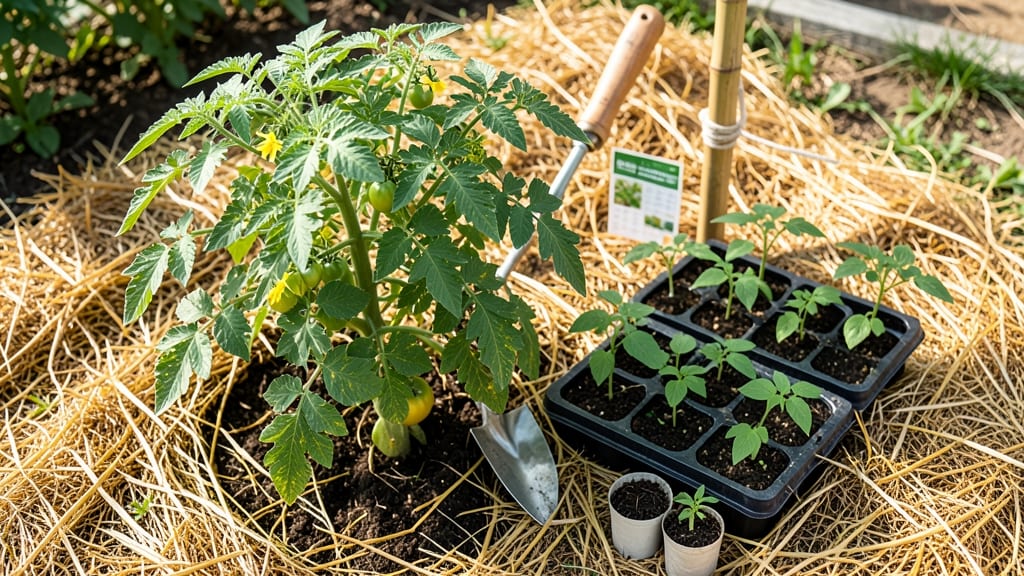
Planting tomatoes in Michigan at the right time means the difference between a bumper crop and a sad, frost-nipped failure.
Michigan gardeners know timing is everything—plant tomatoes too early, and frost will wipe out your crop; too late, and you’ll miss peak flavor. But with Michigan’s diverse climate zones, the perfect planting window varies by region.
Most of the state falls in USDA Zones 5b-6b, where soil should be at least 60°F and nighttime temps stay above 50°F. That usually lands between April 15 and May 15, but northern Michigan may need to wait until early June.
Below, I’ll break down the exact frost-free dates by zone, how to prep your soil, and the best varieties for Michigan’s short but sweet growing season.

Michigan’s frost-free dates by Zone: when to plant tomatoes safely
Michigan’s climate varies dramatically from the Upper Peninsula’s chilly Zone 4 to southeastern Michigan’s warmer Zone 6. These differences mean your tomato planting window could shift by weeks—so knowing your exact last frost date is critical.
For Zone 4 (northern Michigan), last frosts typically hit May 15-20, while Zone 6 (southern Michigan) often sees frost-free conditions by April 20-30.
But frost dates aren’t the only factor—soil temperature matters just as much. Tomatoes need soil at 55°F+ to thrive, and waiting for this warmth ensures strong root growth.
In colder zones, this could mean delaying planting until early June. For Zone 5 (central Michigan), aim for May 1-15—a sweet spot between frost risk and soil warmth.
Here’s how Michigan’s zones break down for tomato planting, including soil prep tips and frost protection strategies:
| USDA Zone | Avg. Last Frost | Safe Planting Window | Soil Temp. Goal | Frost Protection Tip |
|---|---|---|---|---|
| Zone 4 (UP, Northern MI) | May 15–20 | May 25–June 10 | 55°F+ (use black plastic mulch) | Row covers or cold frames |
| Zone 5 (Central MI) | May 1–15 | May 1–15 (after frost) | 55°F+ (wait for warmth) | Watch for late frosts |
| Zone 6 (SE MI, Detroit) | April 20–30 | April 25–May 10 | 55°F+ (earlier risk) | Hardening off seedlings |
If your spring arrives early (or late), don’t panic—row covers or cold frames can push your planting window by 2-3 weeks.
For example, in Zone 4, you might plant early tomatoes under covers as soon as soil warms to 50°F, then remove covers once nighttime temps stay above 55°F. This trick works especially well for cold-hardy varieties like ‘Stupice’ or ‘Glacier’.
For Zone 5 and 6 gardeners, early planting isn’t as risky, but late frosts can still sneak in. Use frost blankets or cloches for young seedlings until they’re 6 inches tall.
Even a single 28°F night can damage tender tomato leaves, so monitor forecasts via Michigan State University’s frost alerts.
Pro tip: Test your soil temperature with a soil thermometer before planting. Tomatoes won’t germinate below 55°F, and slow starts mean delayed harvests. In northern Michigan, I’ve seen 3-4 week delays in germination when planting too early. Patience pays off—wait for the green light from your soil!
Remember, succession planting can extend your harvest. In Zone 6, you might plant a second batch in early June for a late-summer crop, while Zone 4 gardeners should focus on early-maturing varieties like ‘Early Girl’ or ‘Mountain Merit’ to beat the first frost in October.
Finally, soil prep is half the battle. Amend your beds with compost and a balanced fertilizer (5-10-10) 2 weeks before planting. Tomatoes are heavy feeders, and poor soil leads to blossom-end rot or stunted growth. In sandy Michigan soils, add organic matter like peat moss to retain moisture.
With these zone-specific guidelines, you’ll avoid frost damage and maximize your tomato harvest. Happy planting—your homegrown tomatoes will be worth the wait! 🌱
How to extend your tomato growing season in Michigan’s short summers
Michigan’s short growing season can feel like a race against time for tomato lovers, but with the right strategies, you can enjoy homegrown tomatoes well into fall. The key is starting strong and protecting your plants from late frosts.
I’ve learned that starting seeds indoors and using season-extending tools can add weeks—or even months—to your harvest.
For northern Michigan gardeners, where summers are brief, the difference between a 5-week harvest and a 12-week harvest often comes down to preparation. Whether you’re in USDA Zone 4 or Zone 6, these techniques will help you maximize your tomato yield.
Let’s break down the steps to make the most of Michigan’s growing window.
🌱 5 Key Steps to Extend Your Tomato Season
- Start seeds indoors 6-8 weeks before your last frost date (typically mid-March for most of Michigan). Use seed trays with well-draining soil and keep them under grow lights for 12-16 hours daily.
- Hardening off seedlings 7-10 days before transplanting by placing them outside in partial shade for increasing durations each day. This prepares them for Michigan’s cool nights.
- Use black plastic mulch or straw mulch to warm soil faster and retain moisture. This can add 2-3 weeks to your growing season by keeping roots warm.
- Protect with cloches or row covers when nighttime temps dip below 50°F. These create a microclimate that shields plants from frost.
- Succession plant every 2 weeks after your last frost date. This ensures a continuous harvest from June through October.
When transplanting seedlings outdoors, wait until soil temperatures reach at least 60°F and nighttime temperatures stay above 50°F. In cooler regions like Zone 4, this might not happen until late May or early June.
Planting too early risks stunted growth or frost damage, so always check your local frost-free date.
Another game-changer is succession planting. Instead of planting all your tomatoes at once, stagger your plantings every 2-3 weeks after the last frost. This ensures you’re harvesting tomatoes throughout the summer and into fall.
For example, if your last frost is May 15, plant your first batch then, followed by another on June 1 and June 15.
To protect your plants from late frosts, use cloches or row covers. These simple tools can add 4-6 weeks to your growing season by trapping heat. Place them over plants when nighttime temperatures drop below 50°F.
For even better protection, combine row covers with black plastic mulch, which warms the soil and speeds up early growth.
Finally, choose early-maturing varieties like ‘Early Girl’ or ‘Stupice’ for northern Michigan. These tomatoes can go from seed to harvest in 55-65 days, giving you a head start before cooler weather sets in.
Pair them with determinate varieties for a steady harvest, and you’ll have tomatoes from midsummer through fall.