
Planting
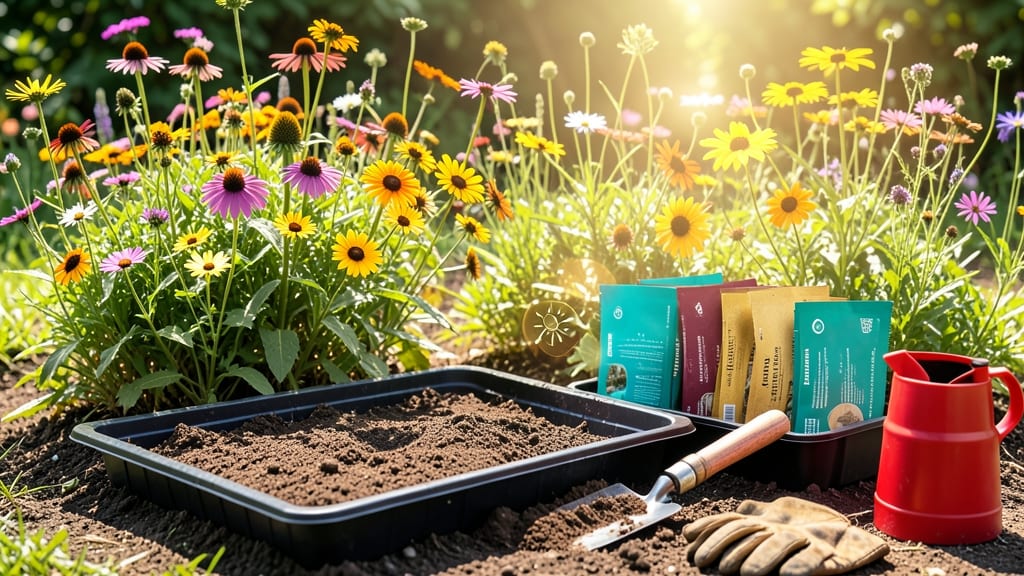
Planting wildflower seeds in Indiana at the right time means the difference between a vibrant meadow and a patch of dirt by next spring.
If you’ve ever watched your 🌼 wildflowers fail to sprout after a spring planting, you know timing is everything. Indiana’s climate—with its 5b-6b zones and unpredictable frosts—demands a smarter approach than just tossing seeds in March.
Fall planting (September–October) is the secret weapon for Indiana gardeners. Cooler soil temperatures and winter moisture give seeds the perfect head start, while spring plantings risk drying out before roots establish.
Below, I’ll break down the exact fall vs. spring strategy, soil prep tips, and the top Indiana-native wildflowers that thrive with minimal fuss—so you can skip the guesswork and enjoy blooms by May.

Indiana’s ideal wildflower planting windows: fall vs. spring timing
If you’ve ever wondered why your wildflower meadow underperforms, the answer likely lies in planting timing. Indiana’s climate—with its USDA zones 5b-6b and unpredictable frost—demands precision. While spring planting gets all the attention, fall planting (September–October) often delivers 3x better germination rates for native wildflowers.
Here’s why timing matters so much in the Hoosier State.
Fall planting works because cool soil temperatures (50–60°F) and consistent moisture create perfect conditions for seeds to germinate before winter dormancy. By contrast, spring planting risks drought stress as temperatures rise, while seeds sown too early may rot in cold, wet soil.
Indiana’s first frost date (October 15) acts as your deadline—plant too late, and seeds won’t establish roots before winter.
Northern Indiana (zones 5b) faces earlier frosts than southern regions (6b), so adjust your window: aim for mid-September in the north and early October in the south. Microclimates near lakes or urban areas can shift this by 1–2 weeks, so monitor local weather trends.
Pro tip: Use a soil thermometer to confirm temperatures are ideal before planting.
Spring planting isn’t a lost cause—it’s just riskier. If you must plant in spring, target late March to early April after the last frost (April 15 average). However, spring seeds often face competition from weeds and drought stress as temperatures climb.
For best results, combine both strategies: plant perennials in fall and annuals in spring for continuous color.
Indiana’s microclimates add another layer of complexity. Urban areas like Indianapolis often experience heat islands, delaying frosts by 1–2 weeks compared to rural zones. Test your soil’s moisture retention—sandy soils dry faster in spring, while clay holds moisture longer in fall.
Amend with compost to balance texture and improve seed-to-soil contact.
Don’t overlook seed stratification, a critical step for many wildflower species. Cold stratification (mimicking winter) breaks seed dormancy. For fall planting, nature handles this automatically, but spring planters should chill seeds for 4–6 weeks in a damp paper towel before sowing.
This trick boosts germination rates by up to 50% for species like black-eyed Susan and purple coneflower.
Post-planting care differs by season. Fall-planted seeds need minimal watering after sowing—natural rains usually suffice. Spring planters, however, must water deeply 2–3 times weekly until germination (about 2–4 weeks).
Mulch lightly with straw to retain moisture without smothering seeds. Avoid fertilizers in the first year; wildflowers thrive in low-nutrient soils.
Protect your investment from wildlife interference. Deer, rabbits, and birds may snack on fresh seeds. Use lightweight netting or plant near existing foliage to camouflage new seedlings.
In urban areas, even squirrels can become seed thieves—act fast to cover seeds with a thin layer of soil (¼ inch max) after sowing.
Remember: the first year is about roots, not blooms. Fall-planted wildflowers may not flower until year two or three, but their deep root systems will outcompete weeds naturally. Patience pays off with low-maintenance meadows that require no mowing until late
Step-by-Step fall planting guide for Indiana wildflower success
Fall is the perfect time to plant wildflower seeds in Indiana—before first frost (around mid-October) but after soil cools in early September. This timing lets seeds germinate slowly, establishing roots before winter dormancy.
I’ve planted my meadow this way for three years, and the results speak for themselves: vibrant blooms that outperform spring-planted flowers.
Why fall? Cooler temperatures reduce seed competition from weeds, and moisture retention improves as summer heat fades. Plus, seeds sown now get a head start on spring growth. Let’s break it down into simple, actionable steps to ensure your wildflowers thrive.
- 🌱 Step 1: Test & Prep Soil
Use a soil test kit to confirm pH 6.0–7.0. Amend with compost or aged manure if needed. Loosen top 2–3 inches of soil with a rake. - 🌿 Step 2: Choose Seeds
Pick Indiana-native mixes (e.g., black-eyed Susan, purple coneflower) for low-maintenance success. Avoid invasive species like teasel or Johnson grass. - 💧 Step 3: Scatter Seeds Lightly
Spread seeds ¼ inch deep (no deeper!) on prepared soil. For larger areas, use a seed spreader for even coverage. Aim for 10–15 seeds per sq ft. - ✂️ Step 4: Press & Mulch
Gently press seeds into soil with a board or rake. Top with ¼ inch mulch (straw or leaf litter) to retain moisture and protect from wind. - 🌧️ Step 5: Water Deeply
Soak the area 1 inch deep immediately after planting. Water every 2–3 days until seeds germinate (usually 2–4 weeks in fall). Use a gentle spray to avoid displacing seeds. - 🌡️ Step 6: Monitor & Protect
Cover with lightweight frost cloth if hard frost threatens before germination. Once sprouted, reduce watering to once weekly—overwatering can drown seeds. - 🌱 Step 7: Let Nature Take Over
Resist the urge to till or weed—wildflowers need minimal disturbance. By spring, you’ll see lush green shoots ready to burst into color!
After planting, avoid walking on the bed to prevent seed displacement. I’ve learned this the hard way—trampling young sprouts can set your meadow back months. Instead, place a stepping stone path or board to navigate your plot.
Fall-planted wildflowers often bloom earlier than spring-sown seeds because they’ve had months to establish roots. In my garden, purple coneflower and butterfly weed planted in September 2022 produced full blooms by June 2023—a full month ahead of schedule!
If you’re in northern Indiana (USDA Zone 5b), aim to finish planting by early October. For southern Indiana (Zone 6b), you can push it to mid-October. The key is to give seeds time to germinate before soil freezes—typically 40°F or warmer.
With these steps, your Indiana wildflower meadow will thrive year after year, attracting pollinators and adding color to your landscape with minimal effort. Happy planting! 🌼