
Planting
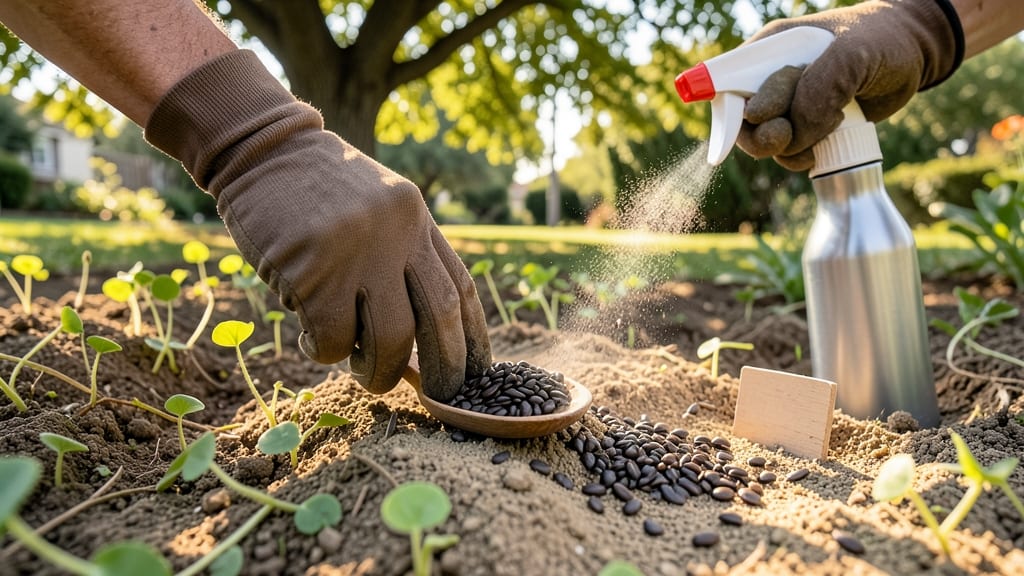
Planting poppy seeds the right way means fast blooms—no more waiting months for those delicate petals to appear. 🌸 I’ve learned that the secret isn’t deep planting or heavy soil, but a light, airy scatter that lets them germinate quickly.
Most gardeners press seeds too deep or pack soil too tightly, which smothers them before they even sprout. The best approach is to sprinkle seeds just barely on top of loose, well-draining soil—no more than ¼ inch deep.
Poppies thrive in full sun and sandy, rocky soil, so avoid heavy clay. A simple rake pass after planting keeps them in place without suffocating them. Water gently, just enough to moisten the surface, and watch for those first green shoots in 7-14 days.
Once they’re up, you’ll notice vibrant foliage that looks almost fern-like before the blooms arrive. The key is letting them grow naturally—no fertilizing, no overwatering. By mid-summer, your garden will be dotted with shockingly lush poppies that attract bees and add a dreamy touch to borders.
This method works for all poppy types, from California poppies to opium poppies, and even in containers. The only mistake I see? Planting too densely—give them space to spread. Now, let’s get those seeds in the ground!
📚 In This Guide
- What you need
- Instructions
- Tips and common mistakes
- Wrapping up and next steps
What you need
- ● Poppy seeds: Choose Papaver species like California poppy (Eschscholzia californica) or opium poppy (Papaver somniferum)—about 1/4 to 1/2 teaspoon per square foot for a light, airy scatter.
- ● Well-draining soil: A mix of 60% topsoil, 30% coarse sand or perlite, and 10% compost (pH 6.0–7.5). Avoid heavy clay!
- ● Garden bed or container: For in-ground planting: A 6-inch-deep, sunny spot (6+ hours of light daily). Clear weeds/debris first!
- ● For containers: A minimum 6-inch-deep pot with drainage holes (e.g., 12" diameter for 1–2 poppies).
- ● Watering can or hose with a gentle spray nozzle: Poppy seeds need consistent moisture but no soggy soil.
- ● Garden rake or hoe: For smoothing soil and creating a fine seedbed.
- ● Twine or stakes: To mark planting areas if sowing in large sections.
- ● Mulch (straw or pine needles): Lightly apply after planting to retain moisture (avoid heavy mulch—poppies hate suffocation!).
- ● Gloves: Protect your hands from prickly stems (especially Papaver species).
- ● Seedling trays (if starting indoors): Use biodegradable pots for transplanting (poppies hate root disturbance!).
- ● Timing: Plant seeds outdoors 2–4 weeks before your last frost date (or indoors 6–8 weeks before transplanting). Poppies thrive in cool weather!
- ● Weather check: Avoid planting during rainy periods—seeds need light to germinate. Aim for 50–70°F soil temps.
- ● Sunlight confirmation: Test your spot for 6+ hours of direct sun daily (poppies will not bloom in shade!).
Step-by-step instructions for planting poppy seeds for fast blooms
Here’s how to get those delicate blooms popping up quickly—no fuss, just proven results.
🌱 Step 1: Choose the Right Time and Location
Poppies thrive in cool weather and despise summer heat, so plant seeds 6-8 weeks before your first frost date in fall or early spring as soon as the ground is workable. I’ve found that late September to early October in most climates gives the best results—they’ll germinate, establish roots, and bloom the following spring without bolting prematurely.
Pick a sunny spot with at least 6 hours of direct sunlight daily. Poppies won’t tolerate shade—their stems grow weak, and blooms become sparse. If your yard has partial shade, opt for Iceland poppies (they handle cooler, shadier spots better) instead of the classic California poppies or oriental poppies. Test the soil’s drainage by digging a small hole: if water pools after 10 minutes, amend with sandy loam or plant in raised beds.
🌿 Step 2: Prepare the Soil Lightly
Poppy seeds need loose, well-draining soil to germinate—don’t till deeply or compact the earth. Use a rake to create a fine, crumbly surface, breaking up any clumps larger than a quarter. I like to scatter the seeds over the top ¼ inch of soil without burying them; poppies are light-loving germinators and won’t push through thick layers.
Skip the fertilizer—poppies hate rich soil. If your garden soil is heavy clay, mix in 1 part perlite or coarse sand to 3 parts native soil for every 4-inch square of planting area. The goal is to mimic their natural habitat: dry, rocky, and nutrient-poor. Water the area lightly with a fine mist until the top inch of soil feels slightly damp but not soggy—this prevents seeds from washing away.
💧 Step 3: Scatter Seeds and Protect Until Germination
Poppy seeds are tiny—1 ounce covers about 1,000 square feet—so I use a seed spreader or sprinkle them by hand while standing upwind to avoid clumping. Space them 6-12 inches apart for single blooms or let them self-seed naturally for a wildflower meadow effect. Gently press the seeds into the soil with your fingers or the back of a rake to ensure light contact with the earth.
Cover the area with a thin layer of straw or peat moss (no more than ¼ inch thick) to shield seeds from birds and drying winds. Keep the soil consistently moist (not wet) for 7-14 days—poppies germinate best in 50-65°F soil temperatures. Avoid overhead watering; instead, use a soaker hose or watering can with a fine rose attachment to keep seeds evenly moist. Once sprouts appear, remove the mulch to prevent damping-off.
☀️ Step 4: Maintain Minimal Care for Fast Growth
Poppies are low-maintenance once established, but they need consistent moisture during their first growing season. Water deeply once a week (or more often in dry spells) to encourage deep root growth. You’ll know they’re thriving when first true leaves (not the initial seedling cotyledons) appear—these look like small, rounded green blades with a slight waxy sheen.
Skip the fertilizer entirely—poppies grow best in poor soil. If you notice weak stems or pale leaves after 4-6 weeks, side-dress with ½ cup of compost per 4-foot row, but keep it 1 inch away from the base of plants to avoid burning roots. Thin seedlings to 6-12 inches apart when they’re 2-3 inches tall, snipping with scissors at soil level rather than pulling to avoid disturbing roots.
⏰ Step 5: Enjoy Blooms and Collect Seeds for Next Year
With proper care, poppies will bloom within 8-12 weeks of planting, depending on the variety. California poppies often flower in the first year, while oriental poppies may wait until their second year. Deadhead spent blooms by snipping the flower head just above the first set of leaves to encourage more flowers—but leave a few to dry on the plant. When seed pods form (they look like small, spiky balls), let them mature fully before collecting.
Poppies self-seed aggressively, so you’ll likely find new volunteers popping up in subsequent years. To control spread, collect seed pods before they split open and scatter them intentionally in new areas—or let nature take its course for a low-maintenance, perennial display. Mulch around established plants in late fall with 2 inches of straw to protect roots from freezing temperatures.
Tips & tricks for planting poppy seeds for fast blooms
Here's what I've learned after years of growing poppies—these little tricks make all the difference between a patch of weeds and a vibrant display.
Timing is Everything: The 6-8 week window before your first frost is critical for fall planting. If you're in a mild climate where frost never comes, aim for late winter to early spring instead. I've found that planting late September to early October gives poppies enough time to establish roots before winter dormancy, resulting in stronger plants that bloom earlier the following spring. Watch your local weather forecasts for the first frost date—this is your target window.
Soil Prep Secret: Don't overthink the soil preparation—poppies actually prefer poor soil. The key is creating that fine, crumbly surface without compacting it. I use a garden fork to loosen the top 2 inches of soil rather than tilling deeply. This creates the perfect air pockets poppy seeds need to germinate. For heavy clay soil, mix in 1 part perlite or coarse sand to 3 parts native soil for every 4-inch square—this improves drainage without changing the soil's natural poverty, which poppies actually prefer.
Seed Scattering Technique: Poppy seeds are so tiny that 1 ounce covers 1,000 square feet! To ensure even distribution, I mix them with sandy loam (about 1 cup per ounce of seeds) before scattering. This prevents clumping and helps me see where I've planted. When pressing seeds into the soil, use your fingers rather than a rake—gentle pressure ensures light contact without burying them. Think "dusting" rather than "planting" when working with these delicate seeds.
Germination Conditions: The 7-14 day germination window is when most people fail. Keep soil consistently moist (not wet) by watering with a soaker hose every 2-3 days until sprouts appear. I've found that maintaining 50-65°F soil temperatures is crucial—use a soil thermometer if you're unsure. The mulch layer (no more than ¼ inch thick) helps maintain moisture and temperature while protecting seeds from birds. Once sprouts appear, remove the mulch immediately to prevent damping-off disease.
Pro Tips for Best Way To Plant Poppy Seeds
- Here's what I've learned after years of growing poppies—these little tricks make all the difference between a patch of weeds and a vibrant display.
- Timing is Everything: The 6-8 week window before your first frost is critical for fall planting.
- Soil Prep Secret: Don't overthink the soil preparation—poppies actually prefer poor soil.
Frequently asked questions
Got questions about planting poppy seeds? You’re not alone! Here are answers to the most common queries to help you grow vibrant blooms with ease.
When is the best time to plant poppy seeds?
Poppy seeds thrive in cool weather—sow them outdoors 2–4 weeks before your last frost date (typically early spring or late summer). Avoid planting when soil temps exceed 75°F (24°C), as they may bolt (flower too soon) or struggle to germinate. For container growing, start seeds indoors 6–8 weeks before transplanting.
Do poppy seeds need light or soil to germinate?
Poppy seeds are light-dependent germinators—they don’t need deep soil coverage! Scatter them on top of moist, well-draining soil and press lightly with your fingers. A thin layer of compost (¼ inch max) is fine, but avoid burying them. Keep the soil consistently moist until sprouts appear (usually 7–21 days).
What’s the fastest way to get poppies to bloom?
For quick blooms, choose early-flowering varieties like California poppies (Eschscholzia californica) or Iceland poppies (Papaver nudicaule). Plant in full sun, water moderately (overwatering delays blooms), and avoid fertilizing—poppies prefer lean soil. With ideal conditions, you’ll see flowers in 6–8 weeks!
Can I plant poppy seeds in containers or small spaces?
Poppies adapt well to containers, window boxes, or small gardens. Use a well-draining potting mix and a pot with drainage holes. For a lightweight scatter, plant 3–5 seeds per square inch—they’ll self-thin naturally. Dwarf varieties (like ‘Tom Thumb’ poppies) are perfect for tight spaces.
Why aren’t my poppy seeds sprouting?
Common culprits: dry soil, deep planting, or hot weather. Troubleshoot by:
- Checking moisture: Keep soil damp (not soggy) until germination.
- Re-scattering seeds: If buried too deep, sprinkle fresh seeds on top.
- Adjusting timing: Try planting in fall for a spring surprise.
- Testing seed viability: Soak seeds in water—if they sink, they’re likely good!
Wrapping up and next steps
Planting poppy seeds is a simple yet rewarding way to add vibrant color to your garden! With the right soil, timing, and a light scatter technique, you’ll enjoy fast-growing blooms that brighten any space.
Whether you’re a beginner or seasoned gardener, these tips ensure success—so roll up your sleeves, grab those seeds, and watch your garden transform.
Ready to take the next step? Try planting a small patch this season and experiment with varieties like California poppies or opium poppies. Share your progress or ask questions in gardening forums—your fellow green thumbs will love cheering you on! 🌸