
Planting
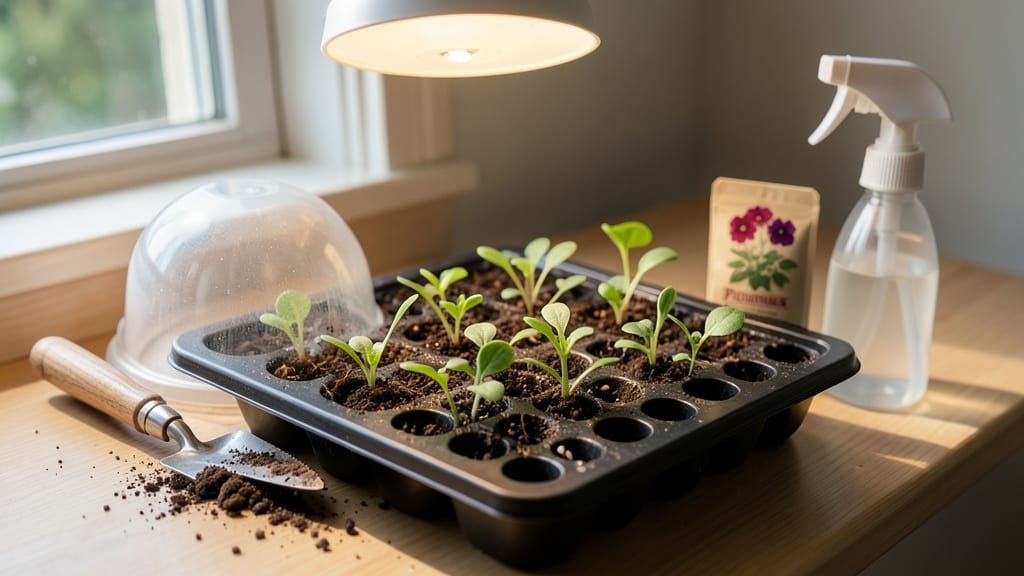
Sowing flower seeds indoors lets you cheat the season and get a jumpstart on vibrant blooms. 🌱 I’ve turned my kitchen into a mini greenhouse, and the secret to healthy starts isn’t fancy equipment—it’s timing, warmth, and a little patience.
Most seed packets promise germination in 7-14 days, but with these tricks, I’ve seen pansies pop up in 5 days and petunias in under a week.
The right setup makes all the difference: a seed tray with drainage holes, sterile seed-starting mix, and a heat mat (or even a sunny windowsill) keeps roots cozy. Forget the old advice about burying seeds deep—most flowers only need a light dusting of soil.
Overwatering is the #1 killer, so mist instead of drench, and keep the tray covered with plastic wrap until sprouts appear.
Once those first green leaves unfurl, you’ll notice the difference in sturdiness compared to store-bought seedlings. With proper light (grow bulbs work wonders) and gentle care, your tiny transplants will outpace anything from the garden center.
By the time spring arrives, you’ll be snipping off leggy stems and pinching back growth to encourage bushier, more productive plants.
This method works for almost any annual flower—pansies, snapdragons, marigolds—even herbs like basil. The key is consistency: keep the soil moist but not soggy, rotate trays for even light, and avoid crowding.
Before you know it, you’ll be hardening off seedlings and planting them out with confidence, ready to transform your garden into a riot of color.
📚 In This Guide
- What you need
- Instructions
- Tips and common mistakes
- Wrapping up and next steps
What you need
- ● Seed-starting trays or containers: 1-2 1020-cell trays (for tiny seeds like petunias or snapdragons)
- ● OR 4-6 biodegradable pots (3-4" diameter, for larger seeds like marigolds or sunflowers)
- ● High-quality seed-starting mix: 1 bag (1-2 cubic feet) of sterile, peat-based or coconut coir mix (avoid garden soil—it’s too dense!)
- ● Flower seeds: Choose fast-germinating varieties like zinnias, cosmos, or nasturtiums (packets usually contain 50-100 seeds).
- ● Grow lights or sunny windowsill: LED grow lights (12-16 hours/day, 12-18" above seedlings) OR a south-facing window (6+ hours of direct light).
- ● Misting bottle or spray nozzle (for gentle watering).
- ○ Clear plastic dome or plastic wrap (to retain humidity; optional but highly recommended for speedy germination!).
- ● Heating mat (for seeds needing warmth, like 70-75°F for petunias or impatiens).
- ● pH testing kit (ideal soil pH: 5.8-6.2 for most flowers).
- ● Fertilizer: 1 balanced liquid fertilizer (5-5-5 or 10-10-10, diluted to half-strength after 2-3 weeks).
- ● Labels & markers (to track seed varieties and planting dates!).
- ● Fungicide spray (prevents damping-off disease in humid setups).
Step-by-Step instructions for sowing flower seeds indoors
Here's how to get those first sprouts popping in record time—my foolproof method for strong, vibrant starts.
🌱 Step 1: Prepare Containers and Seed Starting Mix
Fill your clean containers with the sterile seed-starting mix—never garden soil, which can harbor diseases that kill tender seedlings. I like to use biodegradable pots because they eliminate transplant shock later. Moisten the mix until it's damp like a wrung-out sponge, but not dripping. Tap the container gently to settle the soil without compacting it.
Here's the thing—warmth speeds germination. Place your containers on a seedling heat mat set to 75-80°F for the first week. If you don't have one, a sunny windowsill above a heating vent works in a pinch. The goal is to mimic spring soil temperatures where most flower seeds naturally germinate.
🌱 Step 2: Sow Seeds at the Right Depth and Spacing
Check the seed packet for depth—most small flower seeds need only ¼ to ½ inch of coverage. I tap the packet gently to release one seed at a time (planting too many in one hole leads to weak, crowded seedlings). For larger seeds like marigolds, press them ½ inch deep with your finger.
Space seeds according to their mature size—tiny petunias can start ¼ inch apart, while larger cosmos need ½ inch spacing. Cover lightly with additional mix, then mist the surface with a spray bottle until evenly moist. Don't water from above once seeds are planted—you'll wash them out of their cozy spots.
💧 Step 3: Create the Perfect Germination Environment
Cover your containers with a clear plastic dome or plastic wrap to trap warmth and moisture. This creates a mini greenhouse effect that speeds germination from 7-14 days to just 5-7 days for many flowers. Place them in bright, indirect light—no direct sun yet, or the soil will dry out too fast.
Check daily but resist the urge to water. The dome traps enough moisture that the soil should stay damp but not soggy. If condensation forms on the inside of the dome, that's perfect. Once you see 50% of seeds sprouted, remove the dome immediately—trapped humidity invites damping-off disease that collapses stems overnight.
☀️ Step 4: Provide Light and Prevent Leggy Growth
The instant seedlings break through the soil, move them to 14-16 hours of light daily. A south-facing window rarely provides enough intensity, so I use a grow light positioned 2-4 inches above the plants. Raise it as they grow to maintain that gap. Without sufficient light, seedlings stretch desperately upward (called "leggy") and never recover.
You'll know your light is right when seedlings have thick stems, deep green color, and compact spacing between leaves. If they grow pale and spindly, your light is too far away. Rotate the containers daily so plants grow straight instead of leaning toward the light.
✂️ Step 5: Thin and Care for Healthy Seedlings
When seedlings develop their first true leaves (not the initial seed leaves), thin to the strongest plant per cell. Use scissors to snip weak seedlings at soil level—don't pull them, or you'll disturb the roots of the ones you want to keep. This ensures each plant has plenty of nutrients without competition.
Water from the bottom now—place the container in ½ inch of water for 10 minutes, then drain. This prevents soil from splashing on leaves and spreading disease. Keep the soil evenly moist but never soggy—you'll see the surface looking slightly damp but not glistening.
Tips & tricks for perfect indoor flower seed starting
A few simple adjustments can transform your seed-starting success rate from hit-or-miss to consistently healthy, vibrant seedlings.
Soil Temperature Secret: That 75-80°F heat mat recommendation in Step 1 isn't just a suggestion—it's critical for speedy germination. If you don't have a heat mat, try placing containers on top of your refrigerator (the coils create gentle warmth) or nestle them against a warm (not hot) heating vent. The key is maintaining consistent warmth at the soil level, not ambient air temperature. I've seen germination times cut in half with this simple adjustment.
Seed Packet Clues: Every seed packet contains goldmine information beyond just planting depth. Look for the "days to germination" estimate—this tells you when to start worrying if seeds aren't sprouting. For example, if a packet says "10-14 days," don't panic at day 7, but if nothing appears after 21 days, those seeds may need to be replaced. Also check the "light requirements"—some flowers like snapdragons need light immediately, while others like foxgloves prefer darkness until germination.
Lighting Troubleshooting: When you're setting up that 14-16 hours of light in Step 4, position your grow light so it's just 2-3 inches above the tallest seedlings. The light should be bright enough that you can't read newsprint underneath it. If your seedlings start growing toward the light source, rotate containers 180 degrees daily. This might seem like overkill, but it prevents them from developing that classic "leggy" growth that's nearly impossible to recover from.
Thinning Technique: In Step 5, when you're thinning seedlings, use a pair of clean, sharp scissors to snip at soil level rather than pulling. This prevents disturbing the roots of your desired plants. I've found that seedlings removed this way actually transplant better because their root systems remain intact. Plus, you can use the thinned seedlings as microgreens—just rinse and enjoy in salads!
Pro Tips for Sowing Flower Seeds Indoors
- A few simple adjustments can transform your seed-starting success rate from hit-or-miss to consistently healthy, vibrant seedlings.
- Soil Temperature Secret: That 75-80°F heat mat recommendation in Step 1 isn't just a suggestion—it's critical for speedy germination.
- Seed Packet Clues: Every seed packet contains goldmine information beyond just planting depth.
Frequently asked questions
Got questions about starting your flower seeds indoors? You’re not alone—germinating seeds indoors can feel tricky, but with the right know-how, you’ll be well on your way to a vibrant garden! Here are some of the most common questions (and answers) to help you succeed.
How soon can I expect my flower seeds to germinate indoors?
Germination time varies by plant type, but most flower seeds sprout within 7–21 days under ideal conditions (warmth, moisture, and light). Delicate seeds like snapdragons or petunias may take 10–14 days, while heartier varieties like marigolds or zinnias can sprout in as little as 5–7 days. Check your seed packet for specifics!
Do I need grow lights, or will natural sunlight work for indoor seed starting?
Natural sunlight is great, but it’s often inconsistent—especially if you’re starting seeds in winter. Use a grow light (LED or fluorescent) for 12–16 hours/day to ensure strong, leggy-free seedlings. Place lights 2–4 inches above seedlings and adjust as they grow. A sunny windowsill works temporarily, but grow lights are the secret weapon for even growth!
What’s the best soil mix for sowing flower seeds indoors?
A lightweight, sterile mix is key—avoid garden soil, which can compact or harbor diseases. Use a seed-starting mix (50% peat/coir + 50% perlite/vermiculite) for optimal drainage and aeration. Pro tip: Mix in a slow-release fertilizer (like 5-10-5) to give seedlings a nutrient boost right from the start.
My seeds aren’t sprouting—what could be wrong?
Don’t panic! Common culprits include:
- Too cold: Most seeds need 65–75°F to germinate. Use a heat mat if your space is chilly.
- Too wet/dry: Keep soil consistently moist (not soggy). Bottom-watering helps avoid overwatering.
- Old seeds: Seeds lose viability over time. Test germination or buy fresh packets.
- Light issues: Some seeds (like lettuce) need light to germinate—check your seed packet!
Can I reuse trays or containers from last year’s seed starting?
It’s possible, but sanitize them first! Scrub trays with soapy water, rinse well, and soak in a 10% bleach solution (1 part bleach to 9 parts water) for 10 minutes to kill fungi/bacteria. Air-dry completely before reuse. For peace of mind, opt for disposable trays or new containers—especially if last year’s seedlings had disease.
Wrapping up and next steps
Sowing flower seeds indoors is a rewarding way to jumpstart your gardening journey—with the right tricks, you’ll enjoy faster germination and stronger seedlings. 🌱 Whether you’re a beginner or a seasoned gardener, these speed-germination tips ensure your blooms thrive from day one.
Now that you’re armed with the best practices, grab those seeds and get planting! Your next logical step? Experiment with different varieties—try fast-germinating flowers like marigolds or zinnias to see which ones take best to your indoor setup.