
Planting
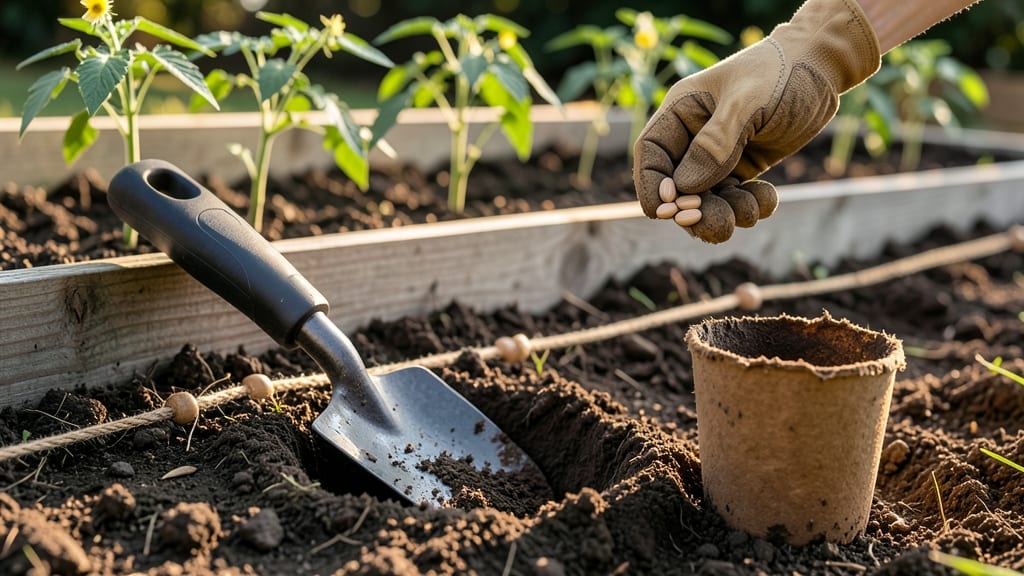
Planting one seed per hole isn’t always the rule—sometimes you’ll need 2, 3, or even more to guarantee strong starts. 🌱 I’ve learned that cramming seeds too close or spacing them too far apart can ruin an entire season’s growth, and the right number depends on seed size, plant type, and how you’re growing them.
Tiny seeds like marigolds or carrots need 3-5 per hole because they’re delicate and don’t always germinate, while larger seeds like beans or peas can handle just 1-2 per spot. The key is matching seed size to spacing needs—crowding leads to weak, leggy plants, and over-spacing wastes space and effort.
By mastering this, you’ll avoid the heartbreak of patchy gardens and wasted seeds. Instead of thinning later (which stresses plants), you’ll start with the perfect count for each variety, ensuring every seedling has room to thrive from day one.
Works for direct-sown veggies, flowers, and even herbs—just adjust based on the plant’s mature size. Let’s get those seeds in the ground the right way!
The Science Behind Seed Crowding
Planting too many seeds in a single hole might seem harmless, but it can trigger a cascade of problems that stifle growth and waste your efforts. Understanding the root causes—literally and figuratively—helps you avoid common pitfalls and give your plants the best shot at thriving.
Here’s why overcrowding happens and how to prevent it.
When you pack too many seeds into one hole, they’re all fighting for the same slice of soil nutrients. Seeds need essential elements like nitrogen, phosphorus, and potassium to germinate and grow. If too many seeds sprout in one spot:
- Roots tangle: Each seedling sends out roots to absorb water and nutrients, but in a crowded space, roots compete aggressively, leading to stunted growth or even root rot from overcrowding.
- Nutrient depletion: The soil in that small area gets depleted faster than it can replenish. Seedlings may germinate but quickly weaken as they exhaust local resources.
- Weak stems: Plants forced to stretch toward light in a tight space develop etiolation—long, leggy stems that are prone to snapping under their own weight.
Actionable fix: Space seeds according to their mature size. For example, carrots need 1–2 inches apart, while sunflowers require 6–12 inches. Use a ruler or spacing guide to mark holes accurately.
Overcrowded seeds create a microclimate where moisture becomes a battleground. Here’s how it backfires:
- Poor air circulation: Dense seeds trap moisture against each other, creating the perfect conditions for fungal diseases like damping-off, which kills seedlings at the soil line.
- Uneven watering: Water applied to the hole may not penetrate deeply enough to reach all seeds, leaving some dry while others drown. This leads to spotty germination—some seeds sprout, others rot.
- Surface crusting: As water evaporates, the soil surface can harden, sealing seeds in place and preventing them from breaking through.
Actionable fix:
- Use a fine mist or drip irrigation to water seeds gently, keeping the soil consistently moist but not soggy.
- Cover seeds with a thin layer of soil (usually 2–3 times their width) to protect them from crusting.
- Thin seedlings early if overcrowding occurs—snip at soil level with scissors to avoid disturbing roots.
Seeds planted too closely compete for sunlight, which is critical for photosynthesis—the process that fuels growth. When seedlings block each other’s light:
- Lower leaves yellow: The shaded leaves can’t produce enough energy, leading to chlorosis (loss of chlorophyll) and weak stems.
- Slow maturation: Plants take longer to flower or fruit because they’re diverting energy to reach for light instead of growing roots or leaves.
- Increased pest risk: Stressed, stunted plants are more attractive to pests like aphids, which thrive on weak, crowded foliage.
Actionable fix:
- Research your plant’s mature canopy size. For example, basil needs 6–12 inches between plants, while lettuce can tolerate 4–6 inches.
- Use interplanting (mixing fast- and slow-growing plants) to maximize space efficiency.
- Prune lower leaves if seedlings are already crowded to improve air flow and light penetration.
Seeds and seedlings are sensitive to temperature swings. When packed tightly:
- Heat buildup: Dark soil absorbs heat, and crowded seedlings trap warmth, raising the microclimate temperature above ideal germination ranges (typically 60–85°F, depending on the plant).
- Cold stress: Conversely, in cooler climates, dense plantings can’t retain heat as effectively, slowing germination or causing seedling death.
- Moisture evaporation: Warmer, crowded areas dry out faster, leading to seed desiccation before sprouting.
Actionable fix:
- Plant at the optimal depth for your seed type (usually 2–3 times the seed’s width).
- Use mulch (straw or grass clippings) to regulate soil temperature and retain moisture.
- Avoid planting seeds on hot, sunny days—opt for early morning or late afternoon to reduce heat stress.
By addressing these root causes—nutrient competition, water stress, light deprivation, and temperature fluctuations—you’ll create an environment where every seed has room to thrive. The key is planning ahead with proper spacing, soil prep, and post-germination care.
Next, we’ll dive into how to calculate the perfect seed-to-hole ratio for your favorite plants!
Fixing Seed Spacing Mistakes
Now that you understand why poor seed spacing can lead to weak plants, overcrowding, or wasted resources, let’s tackle the solutions—practical, easy-to-follow steps to get your garden thriving.
Whether you’re dealing with overcrowded seedlings, stunted growth, or just unsure how to start, these fixes will help you optimize your planting strategy for healthier, more productive plants.
If your seedlings are packed too tightly, they’ll compete for sunlight, water, and nutrients, leading to leggy, weak plants. Here’s how to thin them properly:
🔪 Step-by-Step Thinning Guide
- Wait for True Leaves Thin seedlings only after they’ve developed their first set of true leaves (not the initial seed leaves). This ensures they’re strong enough to survive handling.
- Use the Right Tools A small knife, scissors, or even your fingers work, but avoid pulling—this can damage the roots of neighboring plants. Instead, snip or cut at soil level to prevent uprooting.
- Follow Spacing Guidelines Refer to seed packet instructions or plant-specific spacing charts. For example:
- Tomatoes: 18–24 inches apart
- Carrots: 2–3 inches apart
- Marigolds: 10–12 inches apart
- Lettuce: 6–12 inches apart
- Remove Weakest Seedlings Keep the healthiest, most vigorous plants. If all look similar, choose the ones with the best leaf color and structure.
- Reuse or Compost Don’t waste thinned seedlings! Transplant them to another spot in your garden or add them to your compost pile.
💡 Pro Tip:
If thinning feels wasteful, try direct sowing with precise spacing from the start (see next section). Some plants, like beans or peas, handle crowding better and can be thinned later in the season.
The best way to avoid thinning is to space seeds correctly from the beginning. Here’s how:
📐 Use the Right Planting Method
- Single Seed per Hole: Many seeds (like beans, peas, or sunflowers) should get one seed per hole to avoid overcrowding.
Dig holes 2–3 times deeper than the seed and 2–3 times wider than the seed’s diameter. - Multiple Seeds per Hole (Sparingly): Some seeds (e.g., radishes, lettuce) can handle 2–3 seeds per hole, but thin to the strongest once they sprout. - Row Planting: For small seeds (e.g., carrots, onions), sow in thin rows and later thin to the recommended spacing.
🧮 Calculate Seed Spacing Like a Pro
Use this simple formula: Hole Spacing = Mature Plant Width × 1.5 (Example: A mature tomato plant is 18 inches wide → space holes 27 inches apart.)
🌱 Tools to Help
- Seed Spacing Markers: Use toothpicks, chopsticks, or a seed spacing tool to create uniform holes.
- Grid Planting: Lay a grid of string or dowels to map out rows and holes before planting.
- Seedling Trays with Dividers: If starting indoors, use trays with built-in dividers to ensure proper spacing.
✨ Prevention Tip:
Always read seed packets—they include spacing recommendations! If unsure, err on the side of more space rather than crowding.
If your plants are already struggling due to poor spacing, don’t worry—you can still help them recover:
💧 Adjust Watering and Fertilizing
- Water Deeply but Less Frequently: Encourages roots to grow downward, reducing competition.
- Use a Balanced Fertilizer: A 10-10-10 or 5-5-5 mix helps weak plants recover without burning them.
- Mulch Heavily: Retains moisture and suppresses weeds, giving plants a fighting chance.
🌱 Prune for Airflow
If plants are touching, prune lower leaves to improve airflow and reduce disease risk. For tomatoes, remove suckers to focus energy on fruit production.
🔄 Transplant if Necessary
If a plant is severely stunted but healthy, transplant it to a less crowded area. Do this on a cloudy day to reduce stress.
🌡️ Monitor and Adapt
Keep an eye on plant health. If yellowing leaves appear, it may signal nutrient deficiency (add compost) or pests (use neem oil or insecticidal soap).
To keep your garden thriving year after year:
- Keep a Planting Journal: Note what worked and what didn’t, including spacing, soil type, and weather conditions.
- Rotate Crops: Avoid planting the same family (e.g., tomatoes and peppers) in the same spot yearly to prevent disease buildup.
- Start Small: If you’re new to gardening, begin with a few well-spaced plants before expanding.
- Learn from Experts: Watch YouTube tutorials or join local gardening groups for hands-on tips.
By following these solutions, you’ll transform your garden from a chaotic mess of competing seedlings into a lush, productive space where every plant has room to shine. Happy planting! 🌱✨
Frequently asked questions
Why do some seeds need multiple seeds per hole while others only need one?
Smaller seeds like lettuce or carrots often require 2-3 seeds per hole because they have lower germination rates—planting extra ensures at least one sprouts. Larger seeds (beans, peas) get just 1 per hole since they germinate reliably and need space to grow.
What happens if I plant too many seeds in one hole?
Overcrowding causes competition for nutrients, light, and water, leading to weak, leggy plants that may fall over. Seedlings can also develop fungal diseases from poor airflow. Thin early to avoid stressing plants later!
Can I use the same spacing for all vegetables?
No! Each plant has different needs—leafy greens (like lettuce) tolerate closer spacing (4-6 inches), while tomatoes need 18-24 inches apart. Always check seed packets for variety-specific guidelines.
How do I know when to thin seedlings?
Thin after seedlings develop 2 true leaves (not the first seed leaves). Use scissors to snip at soil level, keeping the strongest plants. Do this on a cloudy day to reduce stress.
What's the best tool for marking planting holes?
Use a ruler or spacing tool for precision, or make DIY markers with toothpicks or chopsticks. For large gardens, lay string grids between rows. This keeps spacing consistent without guesswork!