
Planting
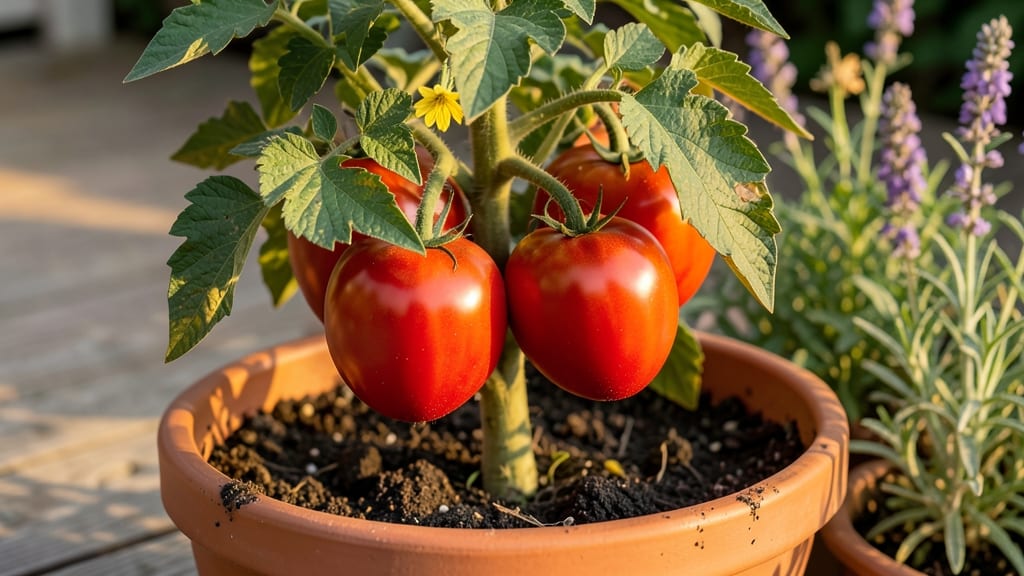
Growing a bush beefsteak tomato plant transforms your garden into a bold statement piece with its compact stature and massive fruit. 🌱 Unlike sprawling vines, this variety stays neatly contained while delivering 2-pound tomatoes that rival heirlooms in flavor.
The key to success? Mimicking its natural bush habit—no trellises needed—while protecting it from common tomato pests that target dense foliage.
Start with well-draining soil rich in compost and plant in full sun (6+ hours daily). Space bushes 24-36 inches apart—they’ll fill that space quickly without climbing. Water at the base deeply 1-2 times per week, avoiding wet leaves to prevent fungal diseases like blight.
A balanced fertilizer (10-10-10) at planting and again when flowers appear keeps growth strong without overpowering the plant.
Pruning is minimal: remove only suckers that form in leaf axils to maintain the bush shape. The real work happens in harvest season—pick fruits as they ripen to encourage more production.
A single plant can yield 20-30 pounds of tomatoes, making it perfect for small spaces or container growing. The secret? Consistency—skip the guesswork, and you’ll enjoy beefsteak-sized tomatoes all season long.
For year-round drama, plant in early spring after frost and again in late summer for a fall harvest. Mulch with straw to retain moisture and deter weeds, and watch as this compact powerhouse outshines traditional tomatoes.
With the right care, your garden borders will never look the same—just bold, lush, and productive.
📚 In This Guide
- What you need
- Instructions
- Tips and common mistakes
- Wrapping up and next steps
What you need
- ● Bush Beefsteak tomato plant: 1–2 healthy nursery-grown plants (determinate variety, 12–18" tall at transplant)
- ● OR seeds (sow indoors 6–8 weeks before last frost or direct-sow after soil warms to 50°F+)
- ● Container or garden bed: For containers: 1–2 5-gallon pots (minimum 12" diameter/depth) with drainage holes
- ● For in-ground: Full-sun spot (6+ hours/day) with well-draining soil (pH 6.0–6.8)
- ● Potting mix: 1 bag (1.5–2 cu. ft.) of lightweight, organic-rich mix (e.g., 60% compost, 30% coconut coir, 10% perlite)
- ● Fertilizer: Balanced tomato-specific fertilizer (10-10-10 or 5-5-5) OR slow-release granules (follow label)
- ● 1 tbsp Epsom salt (for magnesium boost)
- ○ Support: 1 small tomato cage (3–4 ft tall) or bamboo stakes (for optional trellising)
- ● Mulch (straw or shredded leaves) to retain moisture
- ● Drip irrigation system or watering can with rose attachment
- ● Pruning shears (for shaping foliage or removing suckers)
- ● Plant tags or markers (to track varieties if gardening multiple types)
- ● Companion plants: Basil, marigolds, or onions (to deter pests)
Step-by-step instructions for growing a stunning Bush Beefsteak tomato plant
Here’s how to cultivate a dramatic, low-maintenance centerpiece that thrives in borders year after year.
🌱 Step 1: Select and Prepare the Planting Site
Choose a location with full sun exposure (6-8 hours daily) and well-draining soil. Bush Beefsteak tomatoes despise soggy roots, so amend heavy soil with 2-3 inches of compost mixed into the top 12 inches of soil. If your soil is sandy, add 1 part peat moss to improve moisture retention.
Dig a hole slightly wider than the root ball but no deeper. This prevents stem rot and encourages strong root establishment. Gently loosen the roots if they’re circling tightly in the nursery pot—this helps them spread outward instead of upward.
☀️ Step 2: Plant at the Right Depth and Stake Early
Position the plant so the top of the root ball sits 1 inch below soil level. This ensures stability and prevents wind damage. Backfill with native soil, pressing lightly to remove air pockets, but avoid compacting too firmly—roots need room to breathe.
Install a 5-6 foot sturdy stake or cage immediately after planting. Bush varieties may not need as much support as indeterminate types, but their weighty foliage benefits from early reinforcement. Drive the stake in at a 45-degree angle for better stability, and gently tie the main stem with soft plant ties.
💧 Step 3: Water Deeply and Mulch for Moisture Control
Water thoroughly right after planting to settle the soil and eliminate air gaps. Aim for 1-1.5 gallons per plant, letting the water penetrate deeply. Avoid overhead watering—direct moisture on leaves encourages fungal diseases like early blight.
Apply a 3-inch layer of organic mulch (straw or shredded leaves work best) around the base, keeping it 2 inches away from the stem. This conserves moisture, regulates soil temperature, and suppresses weeds. Replenish mulch as it breaks down throughout the season.
✂️ Step 4: Prune for Bush Shape and Disease Prevention
Remove the suckers (side shoots) that form in the leaf axils, but leave the first few to encourage branching. Unlike indeterminate varieties, Bush Beefsteak benefits from a slightly open structure—prune back any crowded growth to improve airflow. Use clean, sharp pruners to avoid tearing stems.
Pinch off the first flower cluster if your plant is still small (12 inches tall). This redirects energy to foliage growth, resulting in a stronger, more productive plant later. Once established, let it flower naturally—these tomatoes reward patience with 1-pound+ beefsteak fruits.
🌿 Step 5: Maintain Through Harvest and Beyond
Fertilize lightly every 4-6 weeks with a balanced organic fertilizer (10-10-10 or similar) once flowering begins. Over-fertilizing late in the season leads to excessive foliage at the expense of fruit development. Water at the base in the morning to reduce disease risk.
Harvest when tomatoes are fully colored and slightly soft to the touch. Twist gently to avoid damaging the vine. In colder climates, protect the plant with row covers or bring potted specimens indoors before the first frost. With proper care, your Bush Beefsteak will produce bold foliage drama well into fall.
Tips & tricks for growing a stunning Bush Beefsteak tomato plant
Here’s what nobody tells you about making your Bush Beefsteak tomato plant thrive like a garden showstopper.
Soil Preparation Secret: The 2-3 inches of compost mixed into the top 12 inches of soil isn’t just about nutrients—it’s about creating the perfect crumbly texture that mimics the plant’s natural habitat. If your soil is heavy clay, add that 1 part peat moss and mix it thoroughly to prevent waterlogging, which is the #1 reason these plants fail. I’ve seen Bush Beefsteak tomatoes wither in soggy soil only to flourish when properly amended.
Staking Strategy: That 5-6 foot stake might seem overkill for a "bush" variety, but trust me on this: The weight of those beefsteak tomatoes (up to 1 pound each!) will test even the sturdiest stems. Install the stake at a 45-degree angle immediately after planting—it creates a more stable base than vertical staking. Use soft plant ties to avoid girdling the stem as the plant grows.
Pruning Insight: When you’re pinching off that first flower cluster at 12 inches tall, you’re not just being impatient—you’re giving your plant a growth boost. The energy that would’ve gone into early fruit production instead fuels stronger stems and larger leaves. Once the plant hits 18 inches, let it flower freely; that’s when the real drama begins with those massive beefsteak fruits.
Watering Wisdom: Those 1-1.5 gallons per plant right after planting aren’t just about settling the soil—they’re about establishing deep root systems. Water at the base in the morning to prevent fungal diseases, and that 3-inch mulch layer isn’t just decoration. It’s your secret weapon for keeping roots cool and moisture consistent, especially during hot summer afternoons when evaporation rates skyrocket.
Pro Tips for Bush Beefsteak Tomato Plant
- Here’s what nobody tells you about making your Bush Beefsteak tomato plant thrive like a garden showstopper.
- Soil Preparation Secret: The 2-3 inches of compost mixed into the top 12 inches of soil isn’t just about nutrients—it...
- Staking Strategy: That 5-6 foot stake might seem overkill for a "bush" variety, but trust me on this: The weight of t...
Frequently asked questions
Can I grow Bush Beefsteak tomatoes in containers?
This compact variety thrives in containers as long as the pot is at least 5 gallons deep. Ensure it has drainage holes and place it in a sunny spot (6+ hours of light daily). Just keep an eye on watering—containers dry out faster than garden beds. Pro tip: Add a time-release fertilizer to the soil for steady nutrition!
How long does it take for Bush Beefsteak tomatoes to produce fruit?
From transplanting, expect 60–70 days to first harvest, depending on climate and growing conditions. Early blooms may drop if nights are chilly (<50°F), so use row covers or wait for warmer temps. Patience pays off—these beauties deliver heirloom-sized tomatoes (1–2 lbs each!) for weeks.
What’s the best way to prune Bush Beefsteak tomatoes?
Unlike indeterminate varieties, Bush Beefsteak tomatoes don’t need heavy pruning. Focus on removing suckers (side shoots) between the main stem and branches to improve airflow and fruit size. Snip with clean pruners just above a leaf node. Warning: Over-pruning can reduce yield, so keep it light!
Why are my Bush Beefsteak tomato leaves turning yellow?
Yellowing leaves often signal overwatering, nutrient deficiency, or pests. Check the soil—it should stay consistently moist but not soggy. Test for nitrogen deficiency (add compost or a balanced fertilizer) or inspect for aphids/spider mites. Quick fix: Trim affected leaves and boost airflow around the plant.
Can I grow Bush Beefsteak tomatoes in cold climates?
Yes! Start seeds indoors 6–8 weeks before last frost, then transplant after soil warms to 55°F+. Use black plastic mulch or row covers to extend the season. For late harvests, try a cold frame or greenhouse. These tomatoes love heat but can tolerate brief cool snaps—just protect them from frost!
Wrapping up and next steps
The Bush Beefsteak tomato plant isn’t just a garden showstopper—it’s a versatile and rewarding addition that brings bold foliage, striking blooms, and delicious harvests to your space. Whether you’re a seasoned gardener or just starting out, its dramatic presence and low-maintenance charm make it a must-have for year-round borders.
Now that you’re armed with the right tips and tricks, there’s no better time to roll up your sleeves and give it a try!
🌱 Next step: Pick your spot, grab your tools, and let the foliage fun begin—your garden (and taste buds!) will thank you. Happy planting! 🌿