
Planting
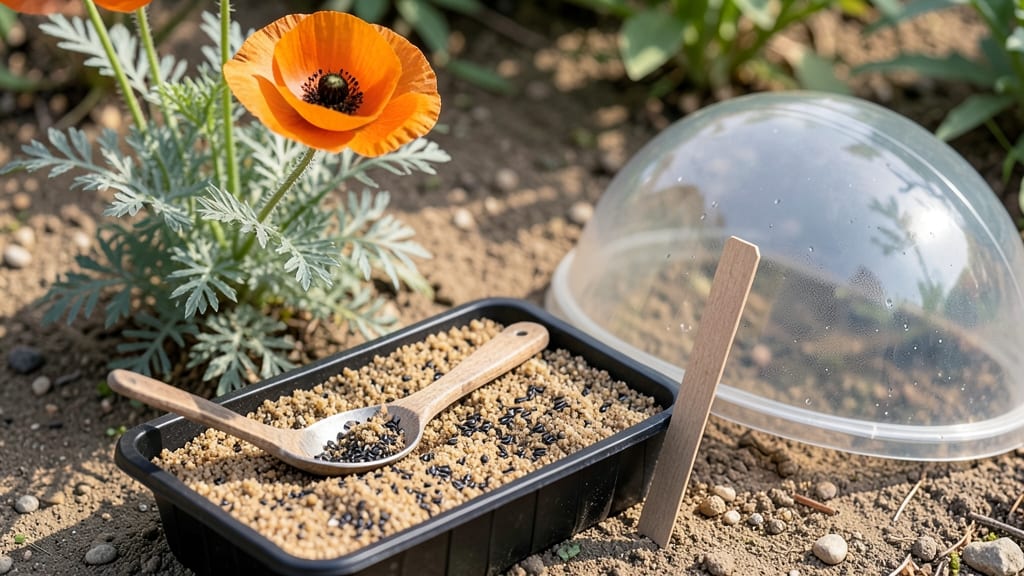
California poppy seeds transform bare soil into a golden meadow in just two months—here’s how to sow the California poppy seeds to make it happen. 🌻 The secret lies in their love of sun, well-draining soil, and a surprisingly simple planting routine that even beginners nail on the first try.
You’ll need a sunny spot with 6+ hours of direct light daily, loose soil (poppies hate soggy roots), and a light touch when scattering seeds—no need for deep planting. Scatter them in late fall or early spring, then barely cover with soil (¼ inch max).
Water lightly afterward, but resist the urge to overdo it; these drought-loving flowers thrive with minimal moisture once established.
Within 3-4 weeks, you’ll see delicate orange and yellow blooms popping up, and the show lasts for months. Poppies self-seed aggressively, so you’ll get free replanting year after year—just let the spent blooms stay on the stems.
Perfect for wildflower gardens, borders, or even container edges. The key is patience: skip the heavy hand with soil and water, and let nature do the rest.
📚 In This Guide
- What you need
- Instructions
- Tips and common mistakes
- Wrapping up and next steps
What you need
- ● California poppy seeds – 1-2 oz (30-60g) per 10 sq ft (choose organic if possible for best results).
- ● Well-draining soil mix – A blend of 60% topsoil, 30% coarse sand, and 10% perlite or pumice (or pre-mixed cactus/succulent soil).
- ● Garden bed or containers – Minimum 6-inch depth (poppies hate soggy roots!). Containers need drainage holes.
- ● Watering can or hose with a gentle spray nozzle – Avoid overwatering!
- ○ Gloves (optional but recommended) – Protects hands from prickly stems.
- ● Hand trowel or rake – For light soil aeration (no deep digging needed!).
- ● Seed tray or biodegradable pots – If starting indoors (4-6 weeks before last frost).
- ○ Mulch (optional) – Straw or pebbles to retain moisture and deter weeds.
- ○ Fertilizer (optional) – Low-phosphorus, balanced fertilizer (5-5-5) only if soil is nutrient-poor.
- ● Sunlight tracker or garden journal – Poppies thrive in full sun (6+ hours/day).
Step-by-Step instructions for sowing California poppy seeds
Here's how to create a vibrant meadow of California poppies in just two months.
🌱 Step 1: Prepare the Soil for Optimal Germination
California poppies thrive in well-draining soil with minimal organic matter—too much compost or fertilizer will smother their delicate roots. Clear the planting area of weeds and rocks, then lightly rake the top 2 inches of soil to create a loose, crumbly texture. These seeds need direct contact with soil, not buried deeply.
If your soil is heavy clay, mix in 20% coarse sand or perlite to improve drainage. Poppies hate soggy roots, so amending the soil prevents rot before seeds even sprout. Test the soil moisture by squeezing a handful—it should crumble when dry but not feel powdery. This is the perfect texture for poppy seeds.
🌿 Step 2: Scatter Seeds in Late Winter for Spring Blooms
Sow seeds in late winter, ideally 6-8 weeks before your last frost date. Scatter them ¼ inch deep or less—California poppies are tiny and don’t need covering. I like to sprinkle them by hand while standing, then gently press them into the soil with my fingers to ensure good contact.
Space seeds 6 inches apart if planting individually, but for a wild meadow look, sow them densely in drifts. Avoid planting where water pools—poppies despise wet feet. Once seeds are down, lightly mist the area with water until the soil looks damp but not wet. Overwatering now will wash seeds away.
☀️ Step 3: Provide Sun and Patience for Germination
Poppy seeds need full sun (6+ hours daily) to germinate, but they won’t sprout until soil temperatures reach 60°F or warmer. In cooler climates, cover the area with a thin layer of straw mulch to protect seeds from frost until spring. You’ll see tiny green sprouts in 10-21 days, but don’t be alarmed if germination takes longer.
Once seedlings appear, remove the mulch and let them bake in the sun. Thin them to 6 inches apart when they’re 2 inches tall, snipping unwanted stems at the base with scissors. This prevents overcrowding and ensures strong, healthy plants. Water only when the soil feels dry 1 inch below the surface—poppies are drought-tolerant once established.
⏰ Step 4: Maintain Minimal Care Until Blooms
After thinning, let the poppies grow undisturbed. They’ll develop into 12-18 inch tall plants with feathery blue-green foliage. Deadhead spent blooms by pinching off faded flowers to encourage more blooms, but avoid cutting back stems—poppies self-seed prolifically, creating new plants for next year.
By 60 days after sowing, you’ll see the first bright orange or yellow blooms appear. These hardy annuals thrive in poor soil and need almost no care. The key is patience—poppies grow quickly but reward you with weeks of cheerful color if you resist the urge to fuss over them.
Tips & tricks for perfect California poppy meadows
Here's what I've learned after growing poppies for years—these details make all the difference between a few sad sprouts and a glorious meadow.
Soil Texture Secret: The 2-inch loose soil surface from Step 1 is non-negotiable for poppies. I've tried planting in compacted soil, and the seeds either fail to sprout or rot. Use a garden fork to aerate if your soil feels dense—poppies need that air space like they need sunlight. For clay-heavy areas, that 20% sand/perlite mix isn't optional—it's the difference between soggy roots and happy plants. Test your soil moisture by squeezing: it should crumble when dry but not feel powdery. That's the perfect balance.
Seed Placement Precision: When scattering those ¼-inch deep seeds in Step 2, think "light dusting" rather than "heavy planting." I learned this the hard way after burying seeds too deep—they need light to germinate. For large areas, use a seed spreader set to its lowest setting. And here's a pro move: after pressing seeds in, walk over the area to ensure good soil contact without compacting it. This simple step boosts germination rates dramatically.
Germination Timing: The 10-21 day window in Step 3 can feel like forever, but patience pays off. If you're in cooler climates, that straw mulch isn't just decoration—it's insurance against late frosts. I've had seeds survive under mulch when temperatures dipped to 30°F. Once sprouts appear, remove mulch immediately to prevent rot. And here's a visual cue: when seedlings reach 2 inches, they're ready for thinning. Look for the strongest stems—these are your future bloomers.
Sunlight Strategy: Those 6+ hours of daily sun are critical, but location matters too. South-facing slopes get the most sun, but even flat areas work if you plant in full sun. I've seen poppies thrive in 70-80°F soil temperatures—use a soil thermometer if you're unsure. For container growing, place pots in the sunniest spot you have, even if it means moving them during the day. Poppies will tell you when they're happy with their first bright blooms.
Pro Tips for Sowing California Poppy Seeds
- Here's what I've learned after growing poppies for years—these details make all the difference between a few sad sprouts and a glorious meadow.
- Soil Texture Secret: The 2-inch loose soil surface from Step 1 is non-negotiable for poppies.
- Seed Placement Precision: When scattering those ¼-inch deep seeds in Step 2, think "light dusting" rather than "heavy planting."
Frequently asked questions
When is the best time to plant California poppy seeds?
California poppies thrive in cool fall or early spring (September–October or February–March). Avoid summer heat—the seeds need consistent moisture to germinate. If planting in spring, keep soil damp until sprouts appear (usually 7–14 days). For a year-round display, stagger plantings every 4–6 weeks.
How long does it take for California poppy seeds to grow?
From seed to bloom is 60–90 days under ideal conditions. Expect tiny green leaves first, followed by 6-inch stems in 3–4 weeks. Blooms last 1–2 weeks per flower, but deadheading encourages more blooms. Pro tip: Let some seeds reseed naturally for next year’s poppy patch!
Do California poppy seeds need lots of water?
Nope! Once established, they’re drought-tolerant—overwatering is worse than underwatering. Water lightly but frequently (every 2–3 days) until germination, then taper off. Mature plants thrive with 1 inch of water per week (rain or hand-watering). Mulch lightly to retain moisture without smothering seeds.
Can I grow California poppies in containers or small gardens?
Poppies adapt well to containers, raised beds, or small spaces. Use well-draining soil and a pot at least 6 inches deep. For a wildflower look, mix seeds with sand or gravel to mimic their native habitat. Just avoid crowded conditions—they resent root competition.
Why aren’t my California poppy seeds sprouting?
Common culprits:
- Too much shade—they need full sun (6+ hours/day).
- Compacted soil—loosen soil before planting to improve drainage.
- Old seeds—store-bought seeds last 1–2 years; fresh is best.
- Overwatering—seeds rot if soggy.
What can I plant with California poppies for a pollinator-friendly garden?
Pair them with native companions like:
- Lupine (nitrogen-fixing)
- Yarrow (drought-resistant)
- Goldenrod (late-season nectar)
- Buckwheat (fast-growing)
Wrapping up and next steps
Sowing California poppy seeds is a rewarding journey that brings bursts of golden sunshine to your garden in just 60 days! 🌻 With the right soil, timing, and care, you’ll transform bare patches into vibrant meadows that attract pollinators and lift spirits.
Whether you’re a seasoned gardener or a curious beginner, these cheerful blooms are a perfect project for any sunny spot.
Ready to dive in? Grab your seeds, pick a sunny patch, and start sowing today—your future meadow awaits! For extra tips, check out our FAQs or share your progress with the gardening community. Happy planting! ✨