
Pests and Diseases
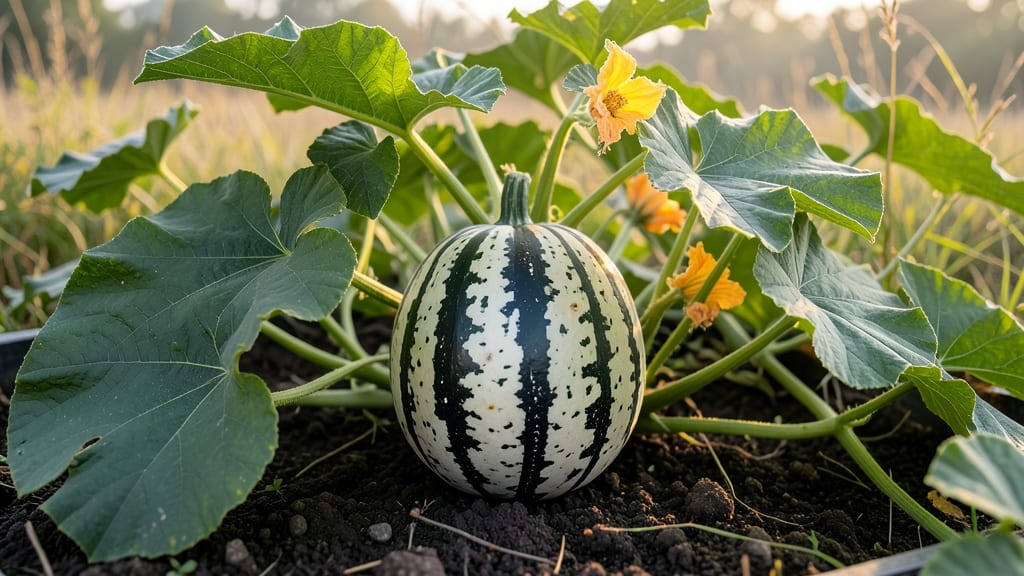
Black and white striped pumpkins aren't just Halloween stars—they're garden showstoppers that turn borders into striking visual art. 🎨 Their bold contrast makes them perfect for adding drama to fall displays, whether lining a walkway, framing a patio, or creating a themed garden corner that pops against golden foliage.
Pair them with deep purple ornamental grasses or fiery red maple leaves for maximum impact, and use them as centerpieces or Halloween decorations that double as living art. These pumpkins thrive in full sun and need minimal care, making them an effortless way to elevate your garden's seasonal appeal.
📚 In This Guide
- What you need
- Instructions
- Tips and common mistakes
- Wrapping up and next steps
What you need
- ● Black and white striped pumpkin seeds: Quantity: 1–2 seed packets (or 5–10 seeds per plant, spaced 3–4 feet apart).
- ● Specs: Look for heirloom varieties like ‘Black Magic’ or ‘Cinderella’—these often have striking striped patterns!
- ● Well-draining soil: pH: 6.0–6.8 (slightly acidic to neutral).
- ● Amendment: Mix in compost or aged manure (1–2 inches) to enrich the soil before planting.
- ● Sunlight: Full sun (6–8 hours daily)—these pumpkins thrive in warm, open spaces!
- ● Watering can or hose: With a fine-mist nozzle for gentle hydration.
- ○ Stakes or trellis (optional but helpful): For vining varieties, use 5–6 ft tall stakes or a sturdy trellis to support heavy fruit.
- ● Garden trowel (for planting seeds).
- ● Pruners (sterilized, for trimming vines if needed).
- ● Gloves (to protect hands from thorns or rough vines).
- ● Row cover or frost cloth (if planting in cooler climates—spring frost can be deadly!).
- ● Mulch: Straw or shredded leaves to retain moisture and suppress weeds.
- ● Fertilizer: Balanced organic fertilizer (10-10-10) or compost tea for a mid-season boost.
- ● Pest deterrents: Neem oil or row covers to protect against squash bugs and deer.
- ● Harvest basket or pruning shears (for clean cuts when it’s time to pick!).
How to plant and grow striking black-and-white striped pumpkins
These dramatic pumpkins aren't just for carving—they bring bold contrast to any garden border.
🌱 Step 1: Choose the Perfect Planting Spot
Black-and-white striped pumpkins thrive in full sun with at least 6-8 hours of direct light daily. I always pick a location with loose, well-draining soil—these pumpkins hate soggy roots. Test your soil's drainage by digging a 12-inch hole and filling it with water; if it drains within an hour, you're good to go.
Space your plants 3-4 feet apart in rows that run north-south to maximize sun exposure. The striped varieties grow vines that spread aggressively, so give them room to sprawl without crowding. If your garden has limited space, consider a trellis system for vertical growth—just be prepared for heavier vines that need sturdy support.
☀️ Step 2: Prepare Soil and Plant Seeds
Work in a 2-3 inch layer of compost mixed into the top 12 inches of soil to provide nutrients for the vining plants. Black-and-white striped pumpkins are heavy feeders, so I also add a balanced 10-10-10 fertilizer at planting time. Dig a hole about 1 inch deep and place 2-3 seeds per hole—these pumpkins often germinate unevenly, so extra seeds ensure at least one strong plant.
Cover the seeds with soil and water gently but thoroughly. Keep the soil consistently moist (not soggy) until germination, which typically occurs in 7-14 days depending on your climate. You'll know it's time when the first true leaves appear—these will be the classic pumpkin-shaped cotyledons, followed by the larger, striped adult leaves.
💧 Step 3: Maintain Consistent Water and Support
Once seedlings emerge, water deeply 2-3 times per week, aiming for 1-2 inches of water per week. The striped varieties are particularly sensitive to uneven moisture—too little causes misshapen fruit, while too much leads to rot. I use soaker hoses to deliver water at the base of the plant, avoiding wetting the leaves to prevent disease.
As vines grow, train them along a sturdy trellis or spread them over a raised bed frame. The striped pumpkins develop heavy fruit, so the support must handle 10-20 pounds per vine. Prune side shoots to encourage stronger main vines and better air circulation. Watch for the first blooms—these pumpkins produce both male and female flowers, so you'll need to hand-pollinate using a small paintbrush to transfer pollen from male to female flowers.
✂️ Step 4: Harvest at Peak Ripeness
Black-and-white striped pumpkins are ready for harvest when their rinds harden and the stem begins to dry out. This usually occurs 90-100 days after planting, though cooler climates may extend this timeline. Gently twist the pumpkin from the vine—don't cut it—using both hands to avoid damaging the stem. A mature pumpkin will have a thick, dry stem that snaps cleanly when bent.
After harvest, cure your pumpkins by placing them in a warm, dry spot (80-85°F) for 7-10 days to harden the rind further. This step is crucial for storage—properly cured pumpkins last 2-3 months at room temperature. The striking black-and-white stripes will deepen as they cure, making them even more dramatic for fall displays.
Tips & tricks for growing dramatic black-and-white striped pumpkins
Here's what nobody tells you about growing these showstopper pumpkins—these tricks will make all the difference in your garden.
Sunlight Strategy: While the instructions call for 6-8 hours of sun, I've found that these striped varieties actually thrive with even more light—up to 10 hours daily if possible. The bold black-and-white patterns develop more vividly with maximum sunlight exposure. If your garden has partial shade, position plants where they get the most sun during peak afternoon hours when UV intensity is highest.
Soil Secrets: The 2-3 inch compost layer is a must, but I always go one step further by adding a handful of worm castings to the planting hole. These striped pumpkins are heavy feeders, and worm castings provide slow-release nutrients that prevent the nutrient spikes that can cause bitter flavors. Mix the castings into the bottom inch of the hole before adding seeds—this gives roots immediate access to nutrients as they first establish.
Watering Wisdom: Those 2-3 waterings per week need to be strategic. I water deeply in the morning so the soil has all day to dry slightly before evening. This prevents the fungal issues that plague pumpkin leaves when they stay wet overnight. For the first 3 weeks after germination, I actually increase watering to every other day to encourage strong root development—they'll need those roots to support those heavy striped fruits!
Harvesting Hack: The 90-100 day timeline is a great guideline, but I've learned to watch for the stem's color change instead. When the stem turns from green to tan and starts shrinking slightly at the base, that's your perfect harvest window. I also gently press a fingernail against the rind—if it doesn't dent easily, it's ready. Harvesting at this precise stage ensures the stripes remain sharp and vibrant rather than fading during storage.
Pro Tips for Black And White Striped Pumpkins
- Here's what nobody tells you about growing these showstopper pumpkins—these tricks will make all the difference in yo...
- Sunlight Strategy: While the instructions call for 6-8 hours of sun, I've found that these striped varieties actually...
- Soil Secrets: The 2-3 inch compost layer is a must, but I always go one step further by adding a handful of worm cast...
Frequently asked questions
Got questions about growing or troubleshooting black and white striped pumpkins? You’re not alone—these dramatic beauties can be tricky! Here’s what gardeners ask most often, plus quick fixes to keep your vines thriving.
Why are my striped pumpkin vines looking pale or yellow?
Pale or yellowing leaves usually mean your pumpkins aren’t getting enough zinc or are fighting powdery mildew. Boost soil health with compost or a zinc-rich fertilizer (like Epsom salt), and improve airflow by spacing vines 3–4 feet apart. For mildew, spray with a baking soda mix (1 tsp baking soda + 1 quart water + a drop of dish soap) every 7–10 days.
How long do black and white striped pumpkins take to mature?
Expect a 90–110 day harvest window from seed to pumpkin, depending on your climate. Start seeds indoors 4–6 weeks before the last frost, then transplant seedlings after soil temps hit 70°F+. In warmer zones (like Zones 8–10), direct-sow seeds in early spring for a fall harvest. Pro tip: Use black plastic mulch to speed up soil warming and extend the season!
Can I grow striped pumpkins in containers?
Yes, but choose large containers (at least 5-gallon buckets) with drainage holes and a lightweight potting mix. Trellis the vines to save space, and opt for bush varieties like ‘Cinderella’ if your container is <10 gallons. Just know: container-grown pumpkins may stay smaller than their vine-grown cousins. Water consistently—containers dry out fast!
What pests target black and white striped pumpkins the most?
Watch for squash vine borers (look for wilted vines + sawdust-like frass) and cucumber beetles (yellow/orange striped bugs). For borers, wrap lower stems with aluminum foil (they hate crawling over it!) or use Bt spray (a natural bacteria). For beetles, handpick them into soapy water or use row covers early in the season. Bonus: Interplant with nasturtiums to repel pests naturally!
Do striped pumpkins taste different from orange ones?
Flavor-wise, they’re identical to traditional pumpkins! The striking stripes come from anthocyanins (same pigments as blueberries), which don’t affect sweetness or texture. Use them for pie, roasting, or carving—just note they may bruise more easily due to thinner skin. Fun fact: Their vibrant color fades to orange when cooked, but fresh stripes make for show-stopping centerpieces!
Wrapping up and next steps
Black and white striped pumpkins aren’t just a visual stunner—they’re a bold statement for your garden borders! With their striking contrast and resilience against common pests and diseases, they’re perfect for adding drama while keeping maintenance simple.
Whether you’re a seasoned gardener or just starting out, these pumpkins bring easy elegance and a touch of whimsy to any outdoor space.
Ready to level up your garden? Grab your seeds, follow the tips, and watch your borders transform into a showstopper! 🌱✨ Start planting today and enjoy the rewards of your hard work—nature’s art in full bloom!