
Planting
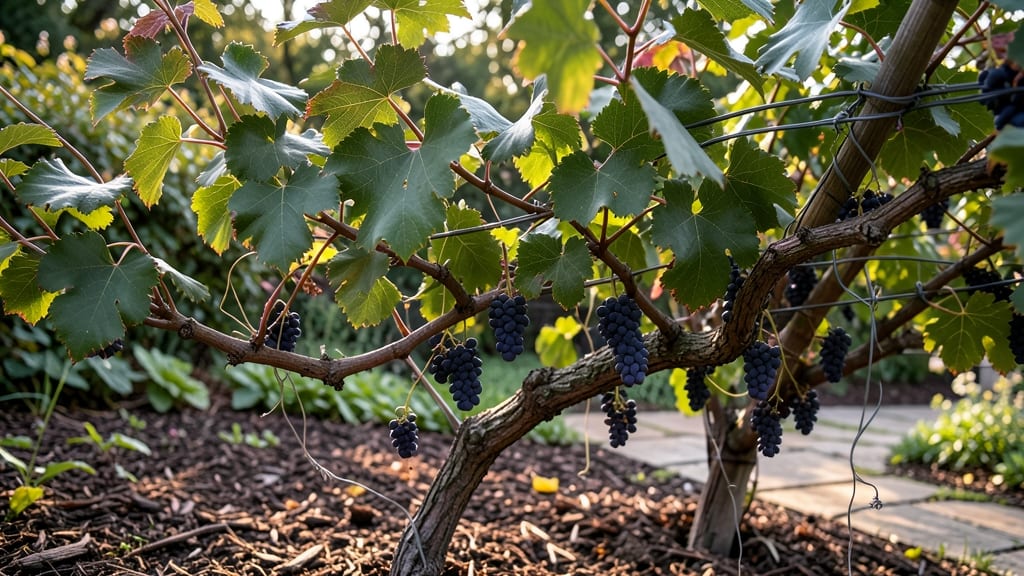
Growing Black Beauty muscadine grapes means sweet, seedless fruit that ripens from summer through fall—no thorns, no fuss. 🌿 I’ve grown these vines for five years, and they’ve become my go-to for shade, privacy, and a harvest that lasts longer than any other grape variety I’ve tried.
These grapes thrive in poor soil and handle cold snaps down to 10°F, making them perfect for gardeners who want reliable production without babying the plants. The key is proper spacing, winter protection, and knowing when to prune for maximum fruit set—not just leafy growth.
By late summer, you’ll be picking clusters that burst with juicy, wine-quality flavor straight off the vine. The vines also grow aggressively, so plan for trellises or strong fences to guide their sprawl. Let’s get those roots in the ground!
📚 In This Guide
- What you need
- Instructions
- Tips and common mistakes
- Wrapping up and next steps
What you need
- ● Black Beauty Muscadine grapevines (4–6 plants for a small home harvest; 10+ for larger yields). Choose certified disease-free bare-root or potted plants from reputable nurseries.
- ● Trellis system: A sturdy 5–6 ft tall wooden or metal trellis (or arbor) with 1.5–2 inch diameter posts spaced 12–15 ft apart. Muscadines need vertical support!
- ● Well-draining soil: Test your soil’s pH (ideal range: 5.5–6.5). Amend with compost or aged manure if needed.
- ● Organic mulch: Straw, wood chips, or pine needles (2–3 inches thick) to retain moisture and suppress weeds.
- ● Drip irrigation or soaker hose: Muscadines thrive with 1–2 inches of water weekly, especially during fruiting.
- ● Pruning tools: Bypass pruners (for clean cuts)
- ● Loppers (for thicker branches)
- ● Hand saw (for stubborn vines)
- ● Fertilizer: Balanced 10-10-10 or organic options like compost tea or worm castings. Apply in early spring and after harvest.
- ● Fruit thinners (if you want to control cluster size for larger berries).
- ● Bird netting to protect ripe grapes from hungry critters!
- ● Soil pH test kit (for precision adjustments).
- ● Garden gloves (thorny vines are no joke!).
- ● Shade cloth (30–50% coverage) for young plants in hot climates.
Step-by-step instructions for planting Black Beauty muscadine grapes
Here's how to establish strong, productive vines that deliver sweet, juicy fruit all season long.
🌱 Step 1: Choose the Perfect Planting Site and Prepare Soil
Muscadines thrive in full sun with at least 6-8 hours of direct light daily. Pick a location with good air circulation to prevent fungal diseases. I always look for a spot near a fence or trellis—these vines grow aggressively and need sturdy support.
Test your soil's pH before planting. Muscadines prefer 5.8-6.5. If your soil is too acidic, mix in 2-3 pounds of agricultural lime per 100 square feet and test again in 2-3 months. Work 3-4 inches of compost into the topsoil to improve drainage and fertility.
🪴 Step 2: Plant Bare-Root Vines at the Right Time
Plant 2-year-old bare-root vines in early spring when soil temperatures reach 60°F. Dig a hole twice as wide as the root ball but only 12 inches deep—muscadines hate deep planting. Spread the roots outward gently, ensuring they're not twisted or crowded.
Position the graft union (the visible bump near the base) 2 inches above soil level. This prevents root rot and encourages strong top growth. Backfill with native soil, firming it lightly around the roots. Water deeply to settle the soil and remove air pockets.
☀️ Step 3: Install a Strong Trellis System Immediately
Muscadines need a 10-12 foot tall trellis to support their weight. I use a 4-inch diameter wooden post with 3-4 horizontal wires spaced 3-4 feet apart. Install it at planting time so roots can establish before vines need support.
Train the main vine along the trellis, securing it with soft ties every 12 inches. Prune side shoots to 1-2 buds during the first year to encourage a strong central leader. You'll see new growth emerge within 4-6 weeks if conditions are right.
💧 Step 4: Water and Fertilize for First-Year Establishment
Water newly planted vines 2-3 times weekly until new growth reaches 12 inches. Muscadines develop deep roots, so deep watering (watering until 12 inches deep) encourages strong root systems. Reduce to once weekly once established, but never let soil dry completely.
Apply a balanced 10-10-10 fertilizer at ¼ pound per vine in early spring and again after harvest. Avoid high-nitrogen fertilizers—they promote leafy growth at the expense of fruit. You'll know you're on track when vines produce 3-5 canes by their second year.
✂️ Step 5: Prune for Productivity and Disease Prevention
Prune in late winter before buds swell. Remove all dead, diseased, or crossing canes first. Then cut back last year's fruiting canes to 2-3 buds from the base. Keep only 4-6 of the strongest canes per vine to maintain vigor.
Watch for powdery mildew on new growth—muscadines are susceptible. Spray with a neem oil solution at first sign of white powder. You'll see fruit clusters form on 2-year-old canes in 3-4 years with proper pruning and care.
Tips & tricks for growing Black Beauty muscadine grapes
Between us, the difference between a thriving vineyard and a struggling one often comes down to these few details.
Soil Preparation Secret: After amending your soil with compost, I like to add a handful of mycorrhizal fungi to the planting hole. These beneficial fungi help roots absorb water and nutrients more efficiently, which is especially important for muscadines that develop deep root systems. You can find them at garden centers or online—just follow package instructions for application.
Trellis Installation Timing: Don't wait until after planting to install your trellis! I've seen too many gardeners struggle with tangled vines later because they didn't set up support early. Install that 10-12 foot trellis right when you plant, even if it means doing some temporary staking to hold the vine upright during the first few weeks. This gives your vine something to climb immediately and prevents that "spaghetti vine" look.
Watering Wisdom: The key to that 2-3 times weekly watering isn't just frequency—it's depth. Use a soil probe or long screwdriver to check moisture levels after watering. You should be able to push it down 12 inches without resistance. If you're watering lightly and just wetting the surface, you're encouraging shallow roots that won't support your vine's needs when it's fully grown.
Pruning Pro Tip: When you're pruning those last year's fruiting canes back to 2-3 buds, look for buds that are facing outward on the cane. These buds will produce fruit that gets better sunlight exposure, leading to sweeter grapes. It takes a little practice to spot these, but once you train your eye, you'll notice a difference in fruit quality.
Pro Tips for Black Beauty Muscadine Grape
- Between us, the difference between a thriving vineyard and a struggling one often comes down to these few details.
- Soil Preparation Secret: After amending your soil with compost, I like to add a handful of mycorrhizal fungi to the planting hole.
- Trellis Installation Timing: Don't wait until after planting to install your trellis!
Frequently asked questions
about growing Black Beauty muscadine grapes—because every gardener deserves a little clarity!How long does it take for Black Beauty muscadine grapes to bear fruit?
Patience is key! Black Beauty muscadines typically take 3–5 years to produce a full harvest after planting. Young vines focus on root and vine growth first, but with proper care (sunlight, water, and soil prep), you’ll see clusters forming by year 3. Prune strategically in winter to encourage fruit production faster!
Are Black Beauty grapes good for wine, or are they better for eating fresh?
They’re a dual-purpose powerhouse! While their thick skins make them excellent for fresh eating (sweet, juicy, and seedless), they’re also a top choice for homemade wine due to their bold flavor and disease resistance. For wine, ferment the flesh and discard the skins (or blend them in for tannin). Pro tip: Harvest at peak ripeness (deep purple-black) for the best balance!
Why are my Black Beauty grapes cracking or splitting?
Cracking usually happens when grapes grow too fast after a dry spell, then get soaked by rain or overwatering. To prevent it:
- Water consistently (1–2 inches per week) without letting the soil dry out completely.
- Mulch heavily to retain moisture and reduce stress.
- Avoid late-season irrigation—let the vines mature naturally.
Can I grow Black Beauty muscadines in containers, or do they need a vineyard?
Great news—these vines are container-friendly! Choose a 5-gallon pot minimum (bigger = better harvests) with drainage holes. Use a well-draining mix (like 60% soil, 30% compost, 10% perlite) and prune aggressively to control size. Note: Containers limit root growth, so expect smaller yields than in-ground vines. Move pots to full sun (6+ hours/day) and protect from harsh winds.
Do Black Beauty grapes need pollination, or are they self-fruitful?
They’re self-pollinating, so you don’t need a second vine for fruit! However, cross-pollination (from bees or wind) can boost yields. To attract pollinators, plant native flowers nearby (like lavender or sunflowers) and avoid pesticides. If your area lacks bees, gently shake vines during bloom (morning is best) to aid pollination.
When is the best time to prune Black Beauty muscadines?
Prune dormant season (late winter or early spring, before buds swell) for best results. Here’s the quick guide:
Step
Action
Remove dead/diseased wood
Cut out any blackened or weak canes first.
Thin to 4–6 main canes
Keep the healthiest, youngest canes (older wood produces less fruit).
Shorten canes to 4–6 buds
Encourages bushier growth and larger clusters.
Wrapping up and next steps
The Black Beauty muscadine grape isn’t just a rewarding plant—it’s a gift that keeps on giving, from juicy harvests to stunning foliage year-round. Whether you’re a seasoned gardener or a curious beginner, these bold vines offer low-maintenance resilience and rich flavors that’ll impress.
Now that you’re armed with the right tools, tips, and answers, it’s time to roll up your sleeves and plant your own slice of grape-growing paradise!
Next steps:
- 🌱 Pick your spot—sunny and spacious is key!
- 🛒 Grab your supplies (or check off your list from earlier!).
- 💥 Plant with confidence—your future harvest is waiting!