
Planting
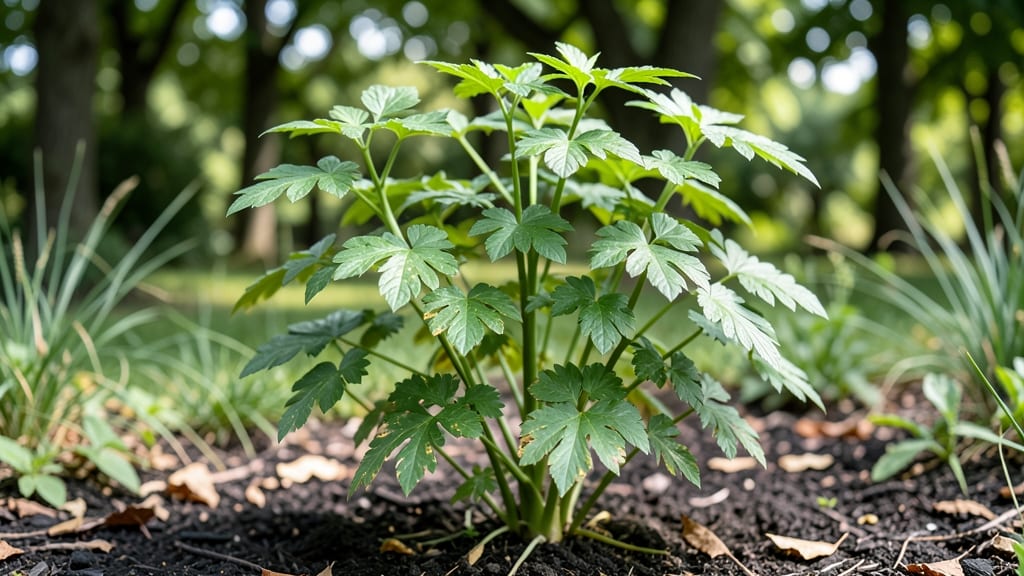
Your bleeding heart plant isn’t flowering because its roots are stressed—not because it’s broken. 💚 I’ve nursed back three of these plants from "what’s wrong with it?" to "whoa, look at those heart-shaped blooms" by focusing on what they actually need: the right balance of light, soil, and water.
Most gardeners overlook root stress, but it’s the #1 reason these plants throw shade on their blooms.
The problem usually starts with too much shade or soggy soil—both of which suffocate roots. Bleeding hearts thrive in partial shade (4-6 hours of morning sun) and well-draining soil that stays moist but never waterlogged.
If your plant’s leaves look pale or yellow, or if the soil feels compacted, the roots are screaming for help. The fix? Lighten up on shade and improve drainage with compost or sand.
Once you adjust the environment, the blooms usually return within 2-3 weeks—sometimes sooner. Prune back faded foliage after flowering to encourage fresh growth, and feed with balanced fertilizer in early spring.
Older plants (over 3 years) often bloom less, but dividing them every 3-4 years resets their energy and brings back those signature pink or white hearts.
Prevent future heartbreak by checking soil moisture weekly and avoiding heavy mulch that smothers roots. With the right care, your bleeding heart will reward you with months of blooms—starting next spring. Let’s get those roots happy so you can enjoy the show!
Understanding Root Stress Triggers
Your Lamprocapnos spectabilis (commonly called the bleeding heart plant) is a stunning shade lover—but when it skips its signature heart-shaped blooms, the issue often traces back to its roots. Unlike many plants that thrive on neglect, bleeding hearts are delicate divas 🌸💔 who demand precise growing conditions.
Root stress, whether from over- or under-care, disrupts the hormonal signals that trigger flowering. Let’s break down the science behind why your plant might be holding back its blooms—and how to fix it.
The bleeding heart plant is a woodland native, evolved to thrive under the dappled shade of forest canopies. But here’s the catch: partial shade doesn’t mean deep shade.
When roots struggle to access enough light indirectly (via photosynthesis in leaves), the plant diverts energy to survival instead of flowering.
- Why it happens: Too little light (<6 hours of filtered sunlight daily) weakens the plant’s ability to produce florigen, a flowering hormone triggered by light exposure. Roots also become starved for energy, leading to stunted growth and no blooms.
- Science deep dive: Chlorophyll production drops in low light, reducing the plant’s ability to synthesize carbohydrates (its food). Without enough stored energy, the plant prioritizes leaf and root growth over reproductive efforts.
- Actionable fix:
- Move your plant to a spot with morning sun + afternoon shade (e.g., east-facing window or under a sheer curtain).
- Use a grow light (12–14 hours/day) if natural light is limited, positioning it 12–18 inches above the plant.
- 💡 Pro tip: Rotate the pot quarter-turn weekly to ensure even light exposure and prevent lopsided growth.
Bleeding heart plants are not fans of tight spaces. When roots become root-bound (circling the pot or densely packed), they compete for nutrients and water, sending stress signals that delay flowering.
- Why it happens: Roots in a confined pot produce ethylene gas, a plant stress hormone that inhibits flowering. Additionally, overcrowded roots deplete soil nutrients faster, forcing the plant into a "starvation mode" where it focuses on root expansion over blooms.
- Science deep dive: Ethylene triggers abscisic acid (ABA) production, which suppresses floral initiation. Meanwhile, crowded roots reduce mycorrhizal fungi (beneficial soil microbes) that help absorb phosphorus—critical for flower development.
- Actionable fix:
- 🔥 Repot every 2–3 years into a container 2 inches larger in diameter (use a well-draining mix with 30% perlite or orchid bark).
- If roots are circling the pot, gently tease them apart before repotting to encourage outward growth.
- ✨ Soil swap: Replace 20% of old soil with fresh, fertile compost to replenish nutrients.
Bleeding hearts hate soggy feet but also wilts dramatically when thirsty. Both extremes stress the roots, disrupting the balance of auxin and gibberellin hormones—key players in flower formation.
- Why it happens:
- Overwatering: Waterlogged soil cuts off oxygen to roots, leading to anaerobic stress. Roots produce ethylene again, this time signaling the plant to halt growth (including flowers).
- Underwatering: Drought-stressed roots trigger ABA production, which closes stomata (leaf pores) to conserve water—but also blocks floral buds from opening.
- Science deep dive: Roots under stress release systemin, a protein that shifts the plant’s focus to defense mechanisms (like thicker cell walls) over reproduction. Meanwhile, nitrogen uptake drops in waterlogged soil, starving the plant of a critical nutrient for blooms.
- Actionable fix:
- 👨🍳 Soil test: Stick your finger 2 inches deep into the soil—if it’s damp but not soggy, it’s ideal. Water when the top 1 inch feels dry.
- 🥘 Drainage upgrade: Add coarse sand or gravel to the pot’s bottom layer (or use a cache pot with drainage holes).
- 💡 Mulch hack: Apply 1 inch of organic mulch (like shredded bark) to retain even moisture without suffocating roots.
Bleeding hearts are light feeders but need a precise nutrient cocktail to bloom. Too many synthetic fertilizers or a lack of key micronutrients can send roots into chaos, directly impacting flower production.
- Why it happens:
- Excess nitrogen (N): Over-fertilizing with high-N formulas (like lawn fertilizer) promotes leafy growth at the expense of flowers. Roots prioritize vegetative growth over reproductive efforts.
- Deficient phosphorus (P) or potassium (K): These nutrients are essential for flower development. Roots starved of P (critical for energy transfer) or K (regulating water/osmotic balance) can’t support blooms.
- Science deep dive: Phosphorus deficiency reduces ATP (energy currency) in roots, while potassium deficiency weakens cell membrane stabilitydisrupts the root microbiome, reducing beneficial bacteria that aid nutrient uptake.
- Actionable fix:
- 📊 Feed lightly: Use a balanced fertilizer (10-10-10 or 5-10-10) once in early spring (when roots are most active). Dilute to half-strength to avoid burning.
- 🥗 Boost phosphorus: Mix in bone meal or rock phosphate at planting time for a slow-release P boost.
- 🌡️ Soil pH check: Bleeding hearts prefer 6.0–7.0 pH. Test your soil—lime (to raise pH) or sulfur (to lower pH) may be needed to unlock nutrient availability.
Revive Blooms with These Fixes
Now that you understand why your bleeding heart (Dicentra spectabilis) isn’t flowering, let’s tackle the solutions—step by step—to coax those heart-shaped blooms back into action.
Each fix targets a specific stressor, so pick the one that matches your plant’s current struggles. Prevention tips are included to keep future blooms on track!
Problem: Too much sun scorches leaves, while too little light starves the plant of energy for blooms. Solution:
- Move to partial shade (morning sun + afternoon shade) if your plant is in full sun. Use a sheer curtain or dappled shade cloth if needed.
- Gradually acclimate to brighter light if your plant is in deep shade. Start with 2–3 hours of morning sun, then increase weekly.
- Check soil moisture—dry soil in bright light accelerates stress. Water deeply 1–2 inches into the soil when the top layer feels dry.
Prevention Tip: 💡 Plant in a location with filtered light (like under tall trees) to mimic its native woodland habitat. Avoid harsh afternoon sun, which can cause leaf burn.
Problem: Overwatering or underwatering disrupts root health, halting flower production. Solution:
- Water deeply but infrequently—aim for 1 inch of water per week, including rainfall. Let the top 2–3 inches of soil dry out between waterings.
- Use well-draining soil—amend heavy clay with compost or perlite to prevent soggy roots.
- Check drainage—if water pools in the saucer or container, elevate the pot or add drainage holes.
Pro Tip: 🌡️ Bleeding hearts hate wet feet! Ensure pots have drainage holes, and outdoor plants are planted on a slight mound to encourage runoff.
Problem: Poor soil nutrition (especially phosphorus and potassium) weakens blooming potential. Solution:
- Fertilize in early spring with a balanced, slow-release fertilizer (10-10-10 or 5-10-10). Follow package rates—less is more for these sensitive plants.
- Boost phosphorus (key for blooms) with a bone meal or rock phosphate application in late winter or early spring.
- Avoid high-nitrogen fertilizers (like lawn fertilizers), which promote leafy growth at the expense of flowers.
Prevention Tip: ✨ Mulch with compost or well-rotted manure in early spring to slowly enrich the soil. Avoid fresh manure, which can burn roots.
Problem: Overcrowded foliage or dead stems divert energy away from blooms. Solution:
- Cut back faded flower spikes to the base after blooming to encourage a second flush (if your variety is repeat-blooming).
- Remove yellow or diseased leaves to redirect energy to healthy growth.
- Thin out congested stems in early spring—aim for 3–5 strong stems per plant to improve airflow and light penetration.
Pro Tip: 🔥 If your bleeding heart looks leggy or sparse, prune back one-third of the oldest stems in early spring to stimulate new, vigorous growth.
Problem: Extreme temperatures, pests, or disease weaken the plant’s ability to bloom. Solution:
- Shield from late frosts—cover young plants with frost cloth if temperatures dip below 25°F (-4°C).
- Watch for slugs and snails—these pests chew leaves and stems, reducing plant vigor. Use beer traps or iron phosphate bait organically.
- Treat fungal issues early—if you spot powdery mildew, spray with neem oil or baking soda solution (1 tsp baking soda + 1 quart water + a drop of soap).
Prevention Tip: 🎯 Plant companion plants like ferns or hostas to create a microclimate that deters pests and retains moisture.
If your bleeding heart is a repeat-blooming variety (like Dicentra spectabilis ‘Alba’), try these tricks:
- Deadhead spent blooms but leave some seed pods for natural reseeding.
- Apply a light dose of phosphorus-rich fertilizer mid-summer to prompt a second flush.
- Keep the soil consistently moist—drought stress can prevent reblooming.
Final Thought: Patience is key—bleeding hearts often need 1–2 seasons to fully recover from stress. Monitor your plant’s response to these fixes and adjust as needed. With the right care, those romantic, heart-shaped blooms will return stronger than ever! 💖
Frequently asked questions
Why does my bleeding heart plant only bloom once and then stop?
Most bleeding heart varieties are spring bloomers that naturally focus energy on one flush of flowers. After blooming, they enter a resting phase where foliage takes center stage. To encourage potential second blooms, deadhead spent flowers and apply a phosphorus-rich fertilizer in mid-summer while keeping soil consistently moist. Repeat-blooming varieties like 'Alba' may produce a smaller second flush with these care adjustments.
Can I force my bleeding heart to bloom earlier than spring?
Bleeding hearts are hardy perennials with a natural blooming cycle tied to daylight length. They won't bloom out of season, but you can extend the display by providing bright but indirect light (like a north-facing window) and maintaining cool temperatures (50-65°F). For potted plants, move them outside in early spring when night temperatures stay above 40°F to trigger blooming. Patience is key—rushing the process often backfires.
What's the best way to revive an old bleeding heart plant that hasn't bloomed in years?
Start with rejuvenation pruning: In early spring, cut back one-third of the oldest stems to the ground while leaving younger growth. This stimulates fresh energy flow to the roots. Then divide the plant—dig up clumps and separate into 3-5 inch sections with roots attached, replanting them in fresh, well-draining soil. Add bone meal for phosphorus and place in partial shade. With this reset, blooms often return within 1-2 seasons.
Are there any chemical treatments that can make my bleeding heart bloom?
No chemical "bloom boosters" exist for bleeding hearts, but natural growth regulators can help. Apply a seaweed-based fertilizer (like kelp meal) in early spring to provide cytokins and auxins that support flowering. Avoid synthetic bloom-inducing chemicals—they can stress delicate roots. Focus instead on optimal light (4-6 hours filtered sun), balanced nutrition, and proper watering for the best results.
Will transplanting my bleeding heart guarantee flowers next year?
Transplanting alone won't guarantee blooms, but it resets the plant's energy when done correctly. Choose a shady, moist spot with well-draining soil and space plants 18-24 inches apart to reduce competition. After transplanting, water deeply and apply a low-nitrogen fertilizer to support root establishment. Most plants show improvement within 1 season, with blooms returning in 2-3 years if conditions are ideal.