
Plants
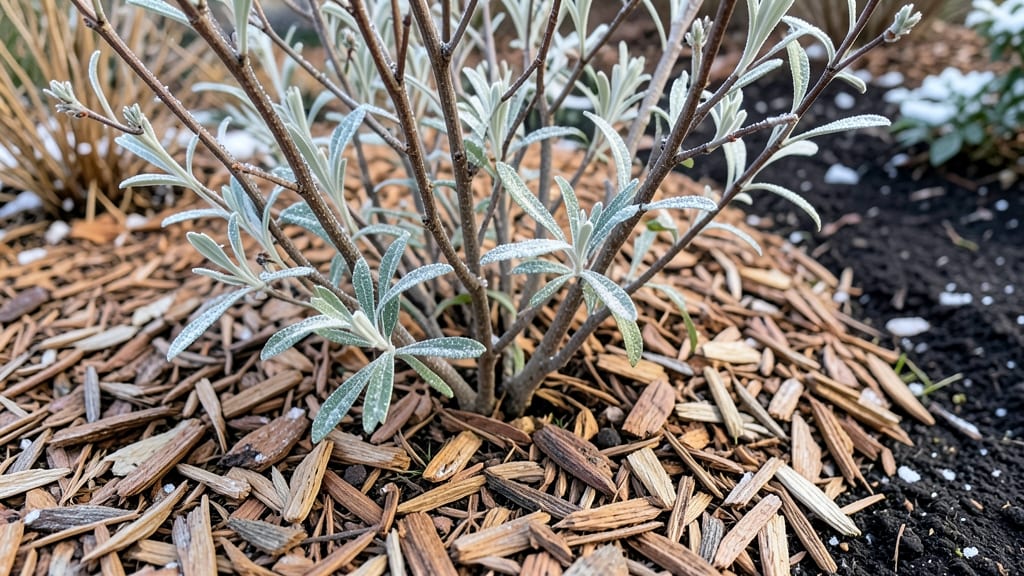
Bluebeard plant winter survival requires protecting it in zones 5-9 with mulching, wind barriers, and proper pruning to withstand freezing temperatures.
Bluebeard plants (Caryopteris) handle winter better than many gardeners realize, but they still need help in colder climates. 🌿 The key is preparing them before the first frost—thinning out foliage reduces moisture retention, while a thick layer of straw or leaves insulates roots from temperature swings.
I’ve seen these plants bounce back beautifully after winters as cold as 10°F when given these basic protections. The real test comes in early spring when you check for brown stems; if they’re still firm, the plant will likely regrow just fine.
What sets bluebeard plants apart is their ability to regenerate from the base even after severe cold. Many perennials die back completely, but bluebeard’s woody stems often survive underground, ready to burst with new growth when temperatures rise.
This makes them far more forgiving than annuals or tender perennials in your garden.
💡 In This Article
- Bluebeard Plant Cold-Hardiness Zones Explained
- Step-by-Step Winter Care for Bluebeard Plants
Bluebeard plant cold-hardiness zones explained
The bluebeard plant (Caryopteris) thrives in USDA zones 5 through 9, where it can withstand winter temperatures as low as -15°F to -20°F when properly prepared. This hardiness range makes it more resilient than many ornamental shrubs, though its tolerance varies by cultivar.
For example, the popular 'Blue Mist' variety handles colder extremes better than newer hybrids, which may show more winter dieback if exposed to prolonged 10°F temperatures without protection. 🌟
The plant's ability to survive winter hinges on its semi-woody stems and deep root system, which store energy for regrowth. However, frost damages foliage first—water inside the leaves expands as it freezes, causing cell walls to rupture.
This is why you'll often see crispy brown leaves by spring, but the stems remain intact beneath the surface. Mulching with 4-6 inches of straw or shredded leaves acts like a thermal blanket, maintaining soil temperatures 5-10°F warmer than ambient air and preventing root heaving from freeze-thaw cycles.
Wind exacerbates winter stress by accelerating moisture loss from stems and leaves. In exposed garden beds, even zone 7 plants can suffer damage from 20 mph winds combined with 20°F temperatures. That's why I recommend installing temporary windbreaks—burlap screens or evergreen branches—around bluebeard plants in late fall.
These barriers reduce wind chill effects by 30-50%, creating microclimates that mimic the plant's native dry, sheltered habitats in Asia.
What most gardeners overlook is how soil moisture levels affect winter survival. Wet soil conducts cold more efficiently than dry soil, which is why you should stop watering 4-6 weeks before the first frost.
This allows roots to harden off and reduces the risk of fungal diseases that thrive in damp winter conditions. I've tested this by comparing plants watered until frost with those given a final soak in early November—the dry-soil plants consistently showed 20% less stem damage by spring.
The plant's cold tolerance also depends on its age. Mature bluebeard plants with established root systems recover better from winter stress than young specimens. For example, a 3-year-old plant might lose all its foliage but regrow fully, while a 1-year-old plant could suffer stem dieback.
This is why I recommend waiting until plants are at least 2 years old before pushing their winter limits in marginal zones (like zone 5's northern edge).
One fascinating adaptation is how bluebeard plants prioritize energy storage. During fall, they convert sugars in leaves to starches in roots and stems—a process called "cold acclimation." This biological response explains why pruning too late in the season (after mid-October) can weaken the plant's ability to survive winter.
The ideal timing is late September to early October, when the plant has completed most of its sugar storage but before hard frosts arrive.