
Planting
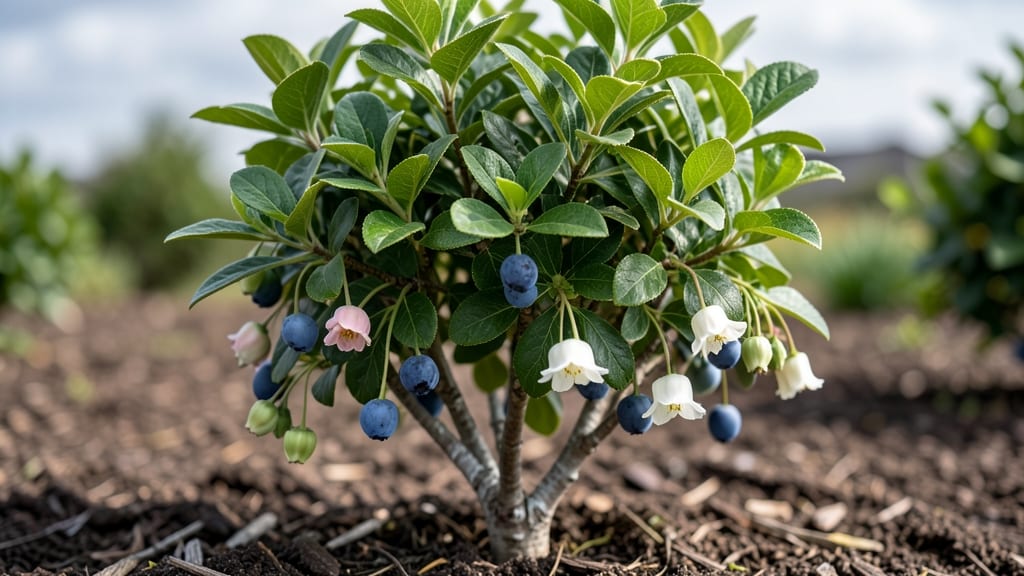
Blueberry plant production starts with the right soil and patience—because those first berries after two years of waiting make every effort worth it. 🌿 I learned the hard way that acidic soil is non-negotiable; my first attempt failed because I skipped the pH test, and the bushes just sat there, stubborn and underfed.
The secret lies in mimicking their natural bog habitat, whether you're planting in-ground or containers. For containers, grab a 15-gallon pot with drainage holes and a mix of peat moss, pine bark, and sand—blueberries thrive in that acidic, well-draining combo.
In-ground plantings need amended soil with sulfur or pine needles to keep the pH between 4.5 and 5.5. Water deeply twice a week, especially in the first year, and mulch heavily to lock in moisture and acidity.
Pruning in late winter removes dead wood and opens the center for airflow, which cuts down on fungal issues. By year three, you’ll harvest clusters of sweet, deep-blue berries that taste nothing like store-bought.
The key is consistency: regular watering, annual pruning, and occasional soil tests to keep those bushes happy. Even in small spaces, a single well-cared-for plant can produce 2-3 pounds of berries—enough for jams, snacks, and bragging rights to the neighbors.
This method works in zones 3-9, though southern gardeners need shade cloth in peak summer to prevent sunburn. Northern growers can extend the season with row covers. The payoff? A blueberry bush that keeps producing for decades with minimal effort after the initial setup.
📚 In This Guide
- What you need
- Instructions
- Tips and common mistakes
- Wrapping up and next steps
What you need
- ● Blueberry plants: Choose disease-resistant varieties (e.g., Rabbiteye, Southern Highbush, or Northern Highbush). Buy 3–6 plants for cross-pollination (unless growing self-pollinating types).
- ● Well-draining soil: Test soil pH (ideal: 4.5–5.5); amend with peat moss, sulfur, or pine bark if needed.
- ● Compost or organic matter: 2–3 cubic yards per 100 sq ft to enrich soil.
- ● Mulch: 2–3 inches of pine straw, wood chips, or leaves to retain moisture and acidify soil.
- ● Fertilizer: Acid-loving plant fertilizer (e.g., 10-10-10 or 8-3-9) or cottonseed meal (apply sparingly).
- ● Watering system: Drip irrigation or soaker hoses (blueberries hate wet foliage!).
- ● Pruning tools: Sharp bypass pruners and loppers for shaping bushes.
- ● Protective netting: Bird netting (if wildlife is a threat).
- ● Soil pH test kit: For precise monitoring (aim for 4.5–5.5).
- ● Blueberry plant food: Specialized granules (e.g., Miracle-Gro Azalea/Camellia).
- ● Row covers: Frost blankets for early spring/late fall protection.
- ● Trellis or stakes: For supporting heavy fruit (especially for larger varieties).
- ● Organic fungicide: Neem oil or copper spray for disease prevention.
Step-by-step guide to blueberry plant production
Here's how I've mastered growing blueberries that produce year after year—no fancy tricks, just proven techniques.
🌱 Step 1: Choose the Right Variety and Location
Blueberries thrive best in acidic soil (pH 4.5-5.5) and need full sun (6-8 hours daily). Southern highbush varieties work well in warmer climates, while northern highbush types handle colder zones. I always pick disease-resistant types like 'Bluecrop' or 'Duke'—they produce reliably even in less-than-perfect conditions.
Pick a spot with well-draining soil. Blueberries hate soggy roots, so avoid low areas where water pools. If your soil isn't naturally acidic, don't worry—we'll fix that next. Just test your soil first so you know what amendments to add later.
☀️ Step 2: Prepare the Soil for Acid-Loving Plants
Spread a 2-3 inch layer of peat moss or pine bark fines over the planting area. These materials lower the pH naturally and improve drainage. Mix them into the top 12 inches of soil—blueberry roots are shallow, so deep amendments won't help much.
Add a slow-release fertilizer designed for acid-loving plants (like cottonseed meal or sulfur-based blends). Work it into the soil gently so you don't compact it. Water the area thoroughly after amending to help everything settle. You'll know it's ready when the soil looks dark and crumbly.
🪴 Step 3: Plant Bare-Root or Container-Grown Blueberries
Dig a hole twice as wide as the root ball but only as deep. Position the plant so the top of the root ball sits 1-2 inches above ground level—this prevents rot when watering. Gently spread the roots outward before backfilling with the amended soil.
Water immediately after planting to eliminate air pockets. Mulch with 3-4 inches of pine needles or wood chips to keep roots cool and maintain acidity. Space plants 4-6 feet apart for good airflow, which prevents fungal diseases. I always plant in early spring or fall when temperatures are mild.
💧 Step 4: Water and Fertilize for Maximum Production
Blueberries need 1-1.5 inches of water weekly, but never let them sit in wet soil. Use a soaker hose or drip irrigation to deliver water at the base—avoid overhead watering, which spreads diseases. You'll know moisture is right when the top inch of soil feels damp but not soggy.
Fertilize in early spring with an acid-loving plant formula. I use a 10-10-10 blend with extra sulfur at half-strength. Stop fertilizing after mid-summer to let plants prepare for winter. Prune in late winter by removing dead wood and thinning crowded branches—this encourages larger fruit next season.
⏰ Step 5: Protect and Maintain for Year-Round Harvests
Blueberries are shallow-rooted, so mulch heavily each fall with pine straw. This keeps soil temperatures stable and prevents weeds. In winter, protect young plants from freezing winds with burlap wraps if needed. You'll see new growth in spring as a sign everything survived.
Harvest when berries turn deep blue and pull away easily from the stem. Pick every 2-3 days during peak season to encourage more production. Store unwashed berries in the fridge for up to 2 weeks—they'll keep longer than you'd expect.
Tips & tricks for perfect blueberry plant production
Real talk: Growing blueberries that actually produce year after year takes more than just sticking a plant in the ground. Here's what nobody tells you about turning those bushes into a reliable fruit factory.
Soil pH is everything: Don't just guess about your soil's acidity—test it first! I've seen people add sulfur to already-acidic soil, which can actually make things worse. Aim for that 4.5-5.5 pH range and re-test after amending. If your soil tests at 6.0 or higher, you'll need to add sulfur gradually over months rather than all at once. Think of it like adjusting the acidity in a perfect tomato sauce—too much at once ruins everything.
Planting depth matters more than you think: That 1-2 inch elevation above ground level isn't just a suggestion—it's critical for preventing rot. I learned this the hard way after losing three young plants to soggy roots. The top of the root ball should always sit slightly above the surrounding soil. If you plant too deep, the roots will suffocate and the plant will struggle to establish itself.
Watering strategy prevents common failures: The 1-1.5 inches weekly guideline is perfect, but timing matters just as much. Water in the morning so leaves have time to dry, preventing fungal diseases. I use a rain gauge to track exactly how much water we're getting from rainfall, then supplement with drip irrigation. Overhead sprinklers are the enemy—they spread diseases and waste water by evaporating quickly.
Pruning timing creates next year's harvest: That late-winter pruning isn't just about cleaning up—it's about shaping the plant for maximum production. Cut back to the first set of outward-facing buds on each branch. This encourages fruit to develop on the outside where it gets full sun. I always prune when the plant is still dormant but the first signs of new growth are visible—this gives it time to heal before spring's demands.
Pro Tips for Blueberry Plant Production
- Real talk: Growing blueberries that actually produce year after year takes more than just sticking a plant in the ground.
- Soil pH is everything: Don't just guess about your soil's acidity—test it first!
- Planting depth matters more than you think: That 1-2 inch elevation above ground level isn't just a suggestion—it's critical for preventing rot.
Frequently asked questions
Got questions about growing blueberries? You’re not alone! Here are answers to the most common queries about blueberry plant production—from timing to troubleshooting—so you can grow like a pro.
How long does it take for blueberry bushes to produce fruit?
Patience is key! Southern highbush varieties may bear fruit in 1–2 years, while rabbiteye and northern highbush types can take 2–3 years. Proper care—like consistent watering and mulching—speeds up the process. Pro tip: Fertilize lightly in early spring to encourage early fruiting.
When is the best time to plant blueberry bushes?
Plant in late fall or early spring (before buds swell) for optimal root establishment. Avoid extreme heat or frost. If buying bare-root plants, soak roots in water for 2–4 hours before planting. Spring planting gives bushes a full growing season to adapt.
Why are my blueberry leaves turning yellow?
Yellow leaves often signal nutrient deficiencies (like nitrogen or magnesium) or overwatering. Check soil pH—blueberries thrive in acidic soil (4.5–5.5). Amend with peat moss or sulfur if needed. Brown edges? That’s usually underwatering or salt buildup.
Can I grow blueberries in containers? What’s the best setup?
Use a 12–18-inch deep pot with well-draining, acidic soil mix (add pine bark fines or coconut coir). Choose dwarf varieties like ‘Top Hat’ or ‘Peach Sorbet.’ Water regularly (containers dry faster) and fertilize monthly with an acid-loving plant formula.
Are blueberry bushes prone to pests? How do I protect them?
Common pests include aphids, spider mites, and birds (who love ripe berries!). Use row covers early in the season, spray with neem oil for insects, and install bird netting when berries ripen. Healthy bushes resist pests better—prune for airflow!
How do I extend the blueberry harvest season?
Plant multiple varieties with staggered ripening times (e.g., ‘Duke’ for early season, ‘Bluecrop’ for mid, ‘Jersey’ for late). Use black plastic mulch to warm soil and speed up spring harvests. In cold climates, low tunnels can protect late-season berries from frost.
Wrapping up and next steps
Growing blueberries year-round isn’t just a dream—it’s an achievable goal with the right knowledge and preparation! 🌱 From selecting the perfect varieties to mastering soil care and seasonal adjustments, every step plays a role in unlocking a bountiful, consistent harvest.
Whether you're a backyard gardener or a small-scale farmer, your dedication will pay off in delicious, nutrient-packed berries.
Ready to take the next step? Start by planting your first bushes this season—or refine your existing setup with the tips you’ve learned. The key is consistency: monitor, adjust, and enjoy the sweet rewards of your hard work. Happy growing! 🍇