
Planting
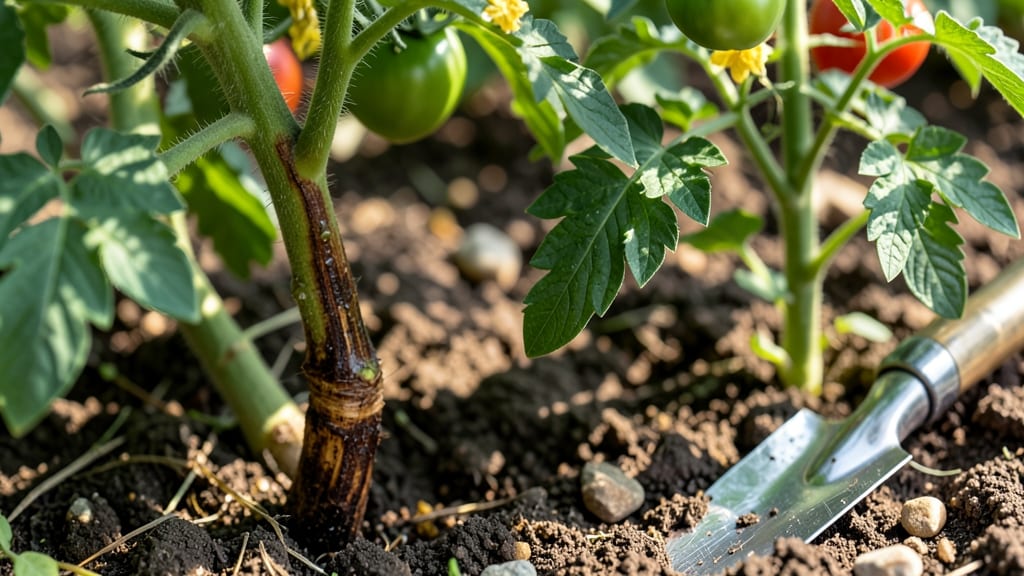
The bottom of your tomato plants turning brown isn’t just an eyesore—it’s a cry for help from your plants. 🌱 I’ve seen this happen to even the most robust tomato varieties, and the good news is that most cases are fixable with simple adjustments.
The key is identifying whether it’s fungal blight, root rot, or something else entirely, because the solutions differ completely.
Fungal blight—like early blight or late blight—often starts at the bottom of leaves and spreads upward in concentric rings. Root rot, on the other hand, causes wilting, mushy stems, and a foul smell from the soil.
Overwatering or poor drainage are usually the culprits here, while nutrient deficiencies (like a lack of nitrogen) might show up as yellowing leaves with brown edges. The first step is always checking the roots and soil moisture.
Once you’ve diagnosed the issue, the fix is straightforward. For blight, prune infected leaves immediately and space plants for better airflow. Root rot? Improve drainage and let the soil dry out between waterings.
A balanced fertilizer can address deficiencies, but avoid overdoing it—tomatoes hate soggy roots. Within a week, you’ll see healthier growth if you act fast.
Prevention is even easier: water at the base in the morning, mulch to keep soil moist but not soggy, and rotate crops yearly.
If the problem persists or spreads rapidly, it might be time to call in a local extension service—they can confirm if it’s a resistant strain of blight that needs stronger intervention.
Root Causes Behind Discolored Tomato Stems
When the base of your tomato plant turns brown, it’s often a cry for help from the roots—or worse, a fungal invasion. Understanding the why behind this distress signal is the first step to saving your harvest.
Below, we break down the most common culprits, backed by science, so you can diagnose and act fast.
Tomatoes thrive on consistency, but too much water—especially in poorly draining soil—can drown their roots. When soil stays soggy for days, oxygen gets cut off, and roots suffocate. This triggers a chain reaction:
- Root rot: Fungi like Phytophthora or Pythium feast on waterlogged roots, turning them mushy and brown.
- Stem collapse: Without healthy roots, the plant can’t absorb nutrients, causing the stem base to weaken and darken.
- Soil chemistry shift: Excess water leaches away essential nutrients (like nitrogen and potassium), further stressing the plant.
💡 Pro Tip: Stick your finger 2 inches into the soil—if it’s damp, wait to water. Raised beds or containers with drainage holes can prevent this.
Fungal diseases like early blight (Alternaria solani) or late blight (Phytophthora infestans) are notorious for targeting tomato stems. Here’s how they strike:
- Spores spread: Fungal spores hitchhike on wind, tools, or even your shoes, landing on leaves or stems. High humidity (above 75%) gives them the perfect breeding ground.
- Stem infection: The fungus penetrates the stem base, disrupting the plant’s vascular system. Brown, leathery lesions form, cutting off water and nutrient flow.
- Systemic damage: As the infection spreads upward, leaves yellow, and fruit may rot before ripening.
🔥 Watch For: Dark, concentric rings on stems or leaves—classic signs of blight. Remove infected plants immediately to stop the spread.
Tomatoes are tropical at heart but can’t handle extremes. Sudden temperature swings or compacted, rocky soil throw a wrench into their growth:
- Cold stress: Temperatures below 50°F (10°C) slow root activity, causing brown, stunted stems. Cold soil also reduces nutrient uptake.
- Heat shock: Soil temps above 90°F (32°C) can cook roots, leading to browning and wilting—even if the air feels mild.
- Compacted soil: Heavy or clay-like soil restricts root expansion, forcing roots to suffocate and turn brown.
✨ Fix It: Mulch with straw to regulate soil temp, and amend heavy soil with compost to improve aeration.
Sometimes, the culprit isn’t a disease but a tiny (or not-so-tiny) intruder:
- Root-knot nematodes: These microscopic worms burrow into roots, creating galls that block water flow. Infested roots turn brown and brittle.
- Cutworms or slugs: These pests chew through stems at the base, leaving jagged, brown wounds that invite fungal infections.
- Mechanical damage: Rough handling (like staking too tightly) can bruise stems, creating entry points for pathogens.
🎯 Act Now: Inspect soil for nematodes (send a sample to a local extension office) and set up beer traps for slugs.
Now that you know the why, the next step is action. The good news? Most of these issues are reversible with the right fixes. Stay tuned for our 3-step fungal blight recovery plan to get your tomato plants back on track!
Fixing Browned Tomato Plant Bases
Now that you know the likely culprits behind your tomato plant’s browned base—whether it’s fungal blight, overwatering, poor drainage, or pests—it’s time to take action. The good news? Most of these issues can be reversed with the right steps.
Below, we’ll break down targeted solutions for each cause, along with prevention tips to keep your plants thriving. Let’s get those tomato plants back in fighting shape! 🍅💪
If your tomato plant’s base is soft, mushy, or oozing, fungal blight (like Phytophthora or Fusarium) is likely the culprit. Here’s how to stop the spread and save your plant:
🔪 Step 1: Remove Infected Areas Immediately
- Use sterilized pruning shears (wipe with rubbing alcohol) to cut off all browned, rotting stems at least 1 inch below the damage.
- Do not compost infected plant material—dispose of it in the trash to prevent reinfection.
🛡️ Step 2: Apply Fungicide
- Copper-based fungicides (like Bordeaux mixture or copper soap) are effective against fungal blight.
- Organic option: Mix 1 tsp baking soda + 1 quart water + a few drops of dish soap (spray on dry leaves in the morning).
- Preventative spray: Reapply every 7–10 days during wet seasons.
🌱 Step 3: Improve Airflow and Drainage
- Space plants 18–24 inches apart to reduce humidity buildup.
- Mulch with straw or pine needles (keep 2–3 inches away from the stem) to prevent soil splash.
- Raise beds or use containers if your garden has poor drainage.
💡 Pro Tip:
🔥 Avoid overhead watering—water at the base only in the morning so foliage dries quickly.
If the base feels soggy but isn’t mushy, overwatering or compacted soil may be the issue. Here’s how to correct it:
🌱 Step 1: Check Your Watering Habits
- Water deeply but less frequently—tomatoes need 1–1.5 inches per week (including rain).
- Test soil moisture by sticking your finger 2 inches down—water only if it’s dry.
- Use a moisture meter for accuracy (especially in pots).
🏗️ Step 2: Improve Soil Drainage
- Amend heavy clay soil with:
- Compost (25–30%)
- Perlite or vermiculite (10–15%)
- Coarse sand (for fast drainage)
- For container growers: Ensure pots have drainage holes and use a well-draining potting mix (like 60% potting soil + 30% perlite + 10% compost).
🌡️ Step 3: Adjust Mulching
- Remove old mulch if it’s waterlogged.
- Use gravel or landscape fabric under mulch to prevent soil compaction.
✨ Pro Tip:
💡 If repotting, add a layer of small rocks at the bottom for extra drainage.
If you spot chewed stems, holes, or wilting despite good care, pests (like cutworms, slugs, or nematodes) may be attacking the base.
🔍 Step 1: Identify the Pest
- Cutworms: Look for ragged stems or small caterpillars at the base.
- Slugs/Snails: Check for silver slime trails and irregular holes.
- Nematodes: Roots may look gummy or discolored.
🛡️ Step 2: Apply Natural Repellents
| Pest | Solution |
|---|---|
| Cutworms | Collar method: Wrap cardboard or aluminum foil around stems. |
| Slugs/Snails | Beer traps (bury a cup with beer) or diatomaceous earth (food-grade). |
| Nematodes | Plant marigolds nearby (natural repellent) or use neem oil spray. |
🌱 Step 3: Strengthen Plant Health
- Fertilize with compost tea (rich in beneficial microbes).
- Rotate crops next season—don’t plant tomatoes in the same spot.
🎯 Pro Tip:
🔥 Handpick pests at night (cutworms hide under leaves after dark).
Once your tomato plants recover, keep these habits to prevent browned bases:
- 🌡️ Monitor soil temperature—tomatoes thrive in 60–85°F soil (use a soil thermometer).
- ⏰ Water consistently—stick to a schedule (early morning is best).
- 🍅 Choose resistant varieties like ‘Mountain Merit’ or ‘Celebrity’ (blight-resistant).
- 🔄 Rotate crops—avoid planting tomatoes, peppers, or eggplants in the same spot yearly.
- 🛡️ Use row covers in early season to block fungal spores.
With these targeted fixes, your tomato plants should bounce back—and next season, you’ll be one step ahead of browned bases! 🚀🍅 Whether you’re battling blight, soggy soil, or hungry pests, early action is key. Happy gardening!
Frequently asked questions
Why does the bottom of my tomato plant turn brown suddenly?
Brown discoloration at the base usually signals fungal infections (like early blight), root rot from overwatering, or pest damage. Check for mushy stems (root rot), concentric rings (blight), or chewed marks (pests). The key is acting fast—fungal diseases spread quickly in humid conditions.
Can I still save my tomato plant if the base is completely brown and mushy?
If the stem is mushy and oozing, the plant is likely too far gone to save. However, if only the outer leaves are brown but the stem is still firm, prune the affected parts, improve airflow, and apply copper fungicide. For severe cases, start fresh with healthy seedlings and adjust your care routine.
How do I tell if my tomato plant has root rot vs. fungal blight?
Root rot causes soggy, foul-smelling stems and wilting, while blight shows dry, brown patches with yellow halos on leaves. Dig up the plant—healthy roots are firm and white; rotten roots are brown, mushy, and may crumble. Blight often appears first on lower leaves and spreads upward.
Will pruning the browned bottom leaves help my tomato plant recover?
Yes! Pruning infected or browned leaves improves airflow and stops fungal spread. Use sterilized shears to cut 1 inch below the browned area. Avoid overhead watering afterward to keep foliage dry. This won’t fix root issues but can save the plant if caught early.
Can I use household items to treat browned tomato stems?
For fungal issues, mix 1 tsp baking soda + 1 quart water + a few drops of dish soap and spray on dry leaves. For pests, try neem oil (1 tbsp per quart of water) or beer traps for slugs. Always test on a small area first to avoid harming the plant.