
Planting
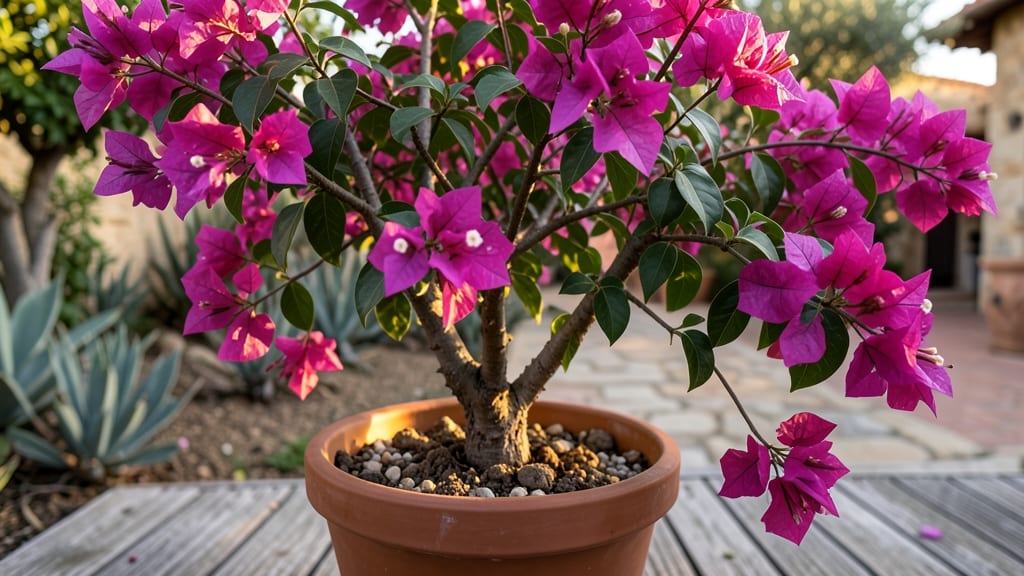
The bougainvillea's leaf is where the magic happens—small, leathery, and shockingly resilient. 🌿 I’ve watched these plants shrug off 100-degree heatwaves while neighbors’ tender foliage wilts, and the secret lies in understanding their leaf language: color, texture, and even subtle shifts that signal health—or trouble.
These leaves aren’t just heat-proof; they’re drought-tolerant too, but that doesn’t mean neglect. They thrive in full sun, well-draining soil, and occasional deep watering—never soggy roots. The key is matching their natural habitat: Mediterranean climates with dry spells and scorching afternoons.
When happy, the leaves stay a rich, waxy green, but stress shows up fast—yellowing, curling, or even dropping leaves that look like they’ve been scorched.
What you’ll learn here is how to read those signals before they become problems. A bougainvillea’s leaf can tell you if it’s thirsty, overwatered, or fighting pests—long before the vibrant bracts (those showy "flowers") even think about fading.
With the right care, you’ll keep those leaves glossy and productive for years, turning your plant into a year-round tropical statement.
Whether you’re battling urban heat islands or coastal humidity, this guide covers the leaf-care basics—and the advanced tricks to keep your bougainvillea looking like it belongs in a botanical garden, not just your backyard. Let’s get those leaves talking to you.
📚 In This Guide
- What you need
- Instructions
- Tips and common mistakes
- Wrapping up and next steps
What you need
- ● Bougainvillea plant: 1–3 healthy nursery-grown plants (for quick results) OR
- ● 1 packet of bougainvillea seeds (for long-term growth; germination can be tricky!)
- ● Well-draining potting soil: 5–10 gallons (mix cactus/succulent soil with perlite or sand for aeration—bougainvillea hates soggy roots!)
- ● Containers or garden bed: Containers: 5–15 gallon pots with drainage holes (terracotta or fabric pots work best)
- ● Garden bed: Full sun exposure (6+ hours daily) and sandy, alkaline soil (pH 6.0–7.5)
- ● Fertilizer: Balanced 10-10-10 fertilizer (for new plants) OR
- ● Slow-release granular fertilizer (for established plants; apply every 2–3 months)
- ● Tools: Pruning shears (sterilized with rubbing alcohol)
- ● Gloves (bougainvillea thorns are sharp!)
- ● Watering can or hose with a gentle spray nozzle
- ● Mulch: Gravel or pebbles (to retain heat and prevent soil compaction)
- ● Epsom salt: 1 tablespoon per gallon of water (monthly magnesium boost for lush leaves)
- ● Trellis or support: For climbing varieties (e.g., bougainvillea ‘San Diego Red’)
- ● Plant food with micronutrients: For vibrant bracts (the colorful “leaves” you love!)
- ● Shade cloth (30–50% coverage): For seedlings or intense afternoon sun in hot climates
How to care for bougainvillea leaves for year-round heat resistance
This vibrant, drought-loving plant rewards patience with stunning foliage—here’s how to keep those leaves thriving in any climate.
🌱 Step 1: Select the Right Location for Maximum Sun Exposure
Bougainvillea craves full sun, ideally 6-8 hours daily. The more intense the sunlight, the more vibrant those signature papery bracts become. I always plant mine against a south-facing wall where they get unfiltered afternoon rays—this is non-negotiable for leaf health and blooms.
If you’re in a hotter region, morning sun with afternoon shade prevents leaf scorch. Watch for leaves turning yellow or crispy edges—that’s your cue to adjust placement. In cooler climates, supplement with a grow light during winter to maintain leaf vigor.
💧 Step 2: Master the Watering Balance for Drought Tolerance
Overwatering is the #1 killer of bougainvillea leaves. Let the soil dry out completely between waterings—stick your finger 2 inches deep into the soil. If it feels damp, wait another day. This plant stores water in its thick stems, so frequent light watering leads to root rot and yellowing leaves.
When you do water, soak deeply until water runs out the drainage holes. I use a 5-gallon watering can for mature plants to ensure roots get the moisture they need without sitting in soggy soil. Mulch with 2-3 inches of organic mulch to retain moisture and regulate soil temperature.
☀️ Step 3: Prune Strategically to Encourage Lush Leaf Growth
Pruning isn’t just about shaping—it’s how you control leaf density and blooms. Cut back leggy stems in early spring to encourage bushier growth. I always use clean, sharp pruners and make cuts just above a leaf node at a 45-degree angle to prevent water from pooling.
Remove any dead or yellowing leaves immediately—they drain energy from the plant. For established plants, a light trim after each flowering cycle keeps the foliage dense and healthy. Avoid heavy pruning in fall, as new growth won’t harden off before winter.
✂️ Step 4: Fertilize for Heat-Resistant Leaf Strength
Feed bougainvillea with a balanced, slow-release fertilizer (10-10-10 or similar) in early spring, just as new growth appears. I apply ½ cup per plant worked into the top 2 inches of soil. Avoid high-nitrogen fertilizers—they promote leafy growth at the expense of those showy bracts.
In hot climates, a monthly dose of fish emulsion during the growing season keeps leaves lush without burning them. Stop fertilizing in late summer to prepare the plant for dormancy. Yellowing leaves often signal over-fertilization—rinse the soil with water if you see this happen.
🪴 Step 5: Protect Leaves During Temperature Shifts
Bougainvillea handles heat beautifully but struggles with cold snaps. If temperatures dip below 40°F, move potted plants to a sheltered spot or cover them with frost cloth. I’ve seen leaves blacken overnight when left exposed—don’t let that happen.
For outdoor plants in frost-prone areas, prune back hard in fall and mulch heavily. In winter, reduce watering to every 2-3 weeks unless the soil is bone-dry. The goal is to keep the roots alive but dormant until spring warmth returns.
Tips & tricks for perfect bougainvillea leaf care
Common pitfalls—and how to sidestep every one—when nurturing these drought-defying beauties.
Sunlight Strategy: The 6-8 hours of daily sun isn't just a recommendation—it's a non-negotiable for vibrant foliage. I've seen bougainvillea leaves lose their signature color when deprived of full sun, especially during their active growing months. In particularly hot climates, morning sun with afternoon shade prevents leaf scorch, which manifests as crispy edges or yellowing. If you notice these signs, it's time to adjust placement immediately.
Watering Wisdom: That 2-inch soil check might seem simple, but it's the key to preventing root rot. I learned this the hard way after losing three plants to overwatering. The thick stems store water, so the soil needs to dry completely between waterings. For container plants, I use a moisture meter to verify—it's worth the investment for peace of mind. Remember, the 5-gallon watering can isn't just about quantity; it's about ensuring water reaches the roots without pooling.
Pruning Precision: The 45-degree angle cut above a leaf node isn't arbitrary—it prevents water from pooling at the cut site, which could lead to rot. I always sterilize my pruners between cuts to prevent disease transmission. For established plants, that light trim after each flowering cycle maintains density and encourages new growth. But here's what nobody tells you: the best time to prune is actually in late winter when the plant is just starting to show new growth, not just in early spring.
Fertilizer Finesse: That ½ cup of balanced fertilizer isn't just about quantity—it's about timing. The early spring application coincides with new growth, while the monthly fish emulsion in hot climates provides continuous nutrition without burning the leaves. The yellowing leaves warning sign is crucial: it's your plant's way of saying "I've had enough." In these cases, I flush the soil with water to remove excess salts before resuming a more conservative feeding schedule.
Pro Tips for Bougainvillea Plant Leaf
- Common pitfalls—and how to sidestep every one—when nurturing these drought-defying beauties.
- Sunlight Strategy: The 6-8 hours of daily sun isn't just a recommendation—it's a non-negotiable for vibrant foliage.
- Watering Wisdom: That 2-inch soil check might seem simple, but it's the key to preventing root rot.
Frequently asked questions
Got questions about caring for your bougainvillea plant leaf? You're not alone! Here are some of the most common concerns—plus quick, actionable answers to keep your heat-loving beauty thriving.
Why are my bougainvillea leaves turning yellow or dropping?
Yellowing or dropping leaves usually signal overwatering or nutrient stress. Bougainvilleas store water in their thick stems, so they prefer dry soil between waterings. Cut back on water, and fertilize lightly with a low-nitrogen, high-phosphorus feed (like 5-10-10) every 4-6 weeks during growing season. Pro tip: Check soil moisture by sticking your finger 2 inches deep—if it’s damp, wait!
Can bougainvillea survive winter, or do I need to bring it indoors?
Most bougainvilleas are tropical and cannot tolerate frost—even a light freeze can kill them. In cold climates (below 30°F/-1°C), move potted plants to a sunny, sheltered indoor spot (like a garage or conservatory) or wrap them in burlap for outdoor protection. Prune back 1/3 of the plant in early spring to encourage fresh growth. Timing tip: Start hardening off indoor plants in late winter to prep for outdoor life!
How often should I prune my bougainvillea, and when is the best time?
Prune twice a year: lightly in spring (to shape and encourage blooms) and heavily in late winter (to remove dead wood). Use clean, sharp shears and cut just above a leaf node (the bump where leaves grow). Avoid heavy pruning after summer—it can stress the plant before winter. Hot tip: Pruning stimulates more vibrant blooms, but don’t overdo it—bougainvilleas bloom on new wood!
What pests commonly attack bougainvillea leaves, and how do I get rid of them?
Watch for aphids, mealybugs, or spider mites, which love bougainvillea’s sap. For mild infestations, spray leaves with a soapy water solution (1 tsp mild dish soap + 1 quart water). For stubborn pests, use neem oil (follow label instructions) or introduce beneficial ladybugs. Keep plants healthy with balanced fertilizer to deter pests. Prevention tip: Inspect new plants before bringing them home!
Can I grow bougainvillea from a single leaf cutting?
Yes! Bougainvillea root easily from stem cuttings (even small ones), but single leaves won’t root—you need a 3-4 inch section with at least 2-3 nodes. Dip the cut end in rooting hormone, plant in sandy, well-draining soil, and keep it bright and humid (cover with a plastic bag). Roots usually form in 2-4 weeks. Bonus: Propagate in spring or summer for best success!
Wrapping up and next steps
Caring for bougainvillea plant leaves is all about embracing its bold, heat-loving nature—whether you’re pruning for shape, troubleshooting pests, or simply admiring its vibrant blooms. With the right soil, sunlight, and a little patience, this drought-resistant beauty will reward you with year-round color and resilience. 🌿
Ready to transform your space? Start by planting your bougainvillea in a sunny spot, then experiment with pruning techniques to encourage lush growth. Before you know it, your garden will be bursting with that signature bougainvillea charm!