
Planting
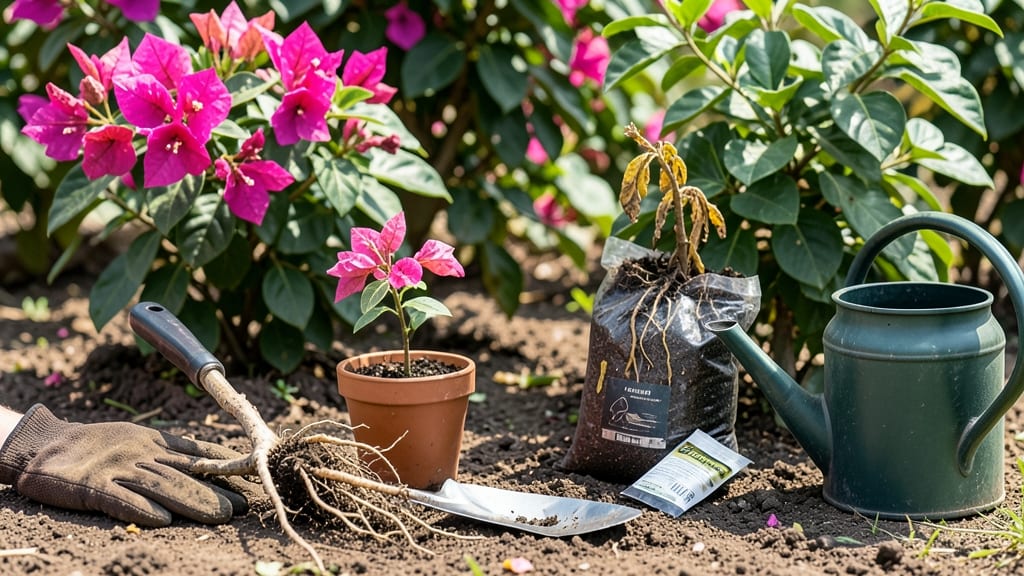
Bougainvillea transplant shock can turn vibrant vines into sad, droopy messes—but there’s a way to revive them. 🌿 I’ve nursed back more than my share of stressed bougainvilleas, and the secret lies in mimicking their natural drought-resistant habits while giving roots time to recover.
The real culprits are usually overwatering, sudden light changes, or root disturbance during transplant. Bougainvilleas hate soggy roots but also need gradual sun exposure. My first mistake? Drenching them post-transplant—now I water lightly, only when the top inch of soil feels dry.
Within 2-3 weeks, you’ll see fresh growth as roots re-establish. Prune back any wilted stems to redirect energy, and add a cactus/succulent mix to improve drainage. The key is patience—these tough plants bounce back when treated right.
For future transplants, harden off plants for 10-14 days before moving them, and choose cloudy days to minimize stress. With these tricks, your bougainvillea will recover faster—and stay thriving for years.
Root Stress Explained
Transplant shock in bougainvillea isn’t just about the shock—it’s a root-level crisis. When you move this vibrant plant, its delicate root systems face a cascade of physiological stresses that can stall recovery.
Understanding these triggers helps you prevent (not just treat) the damage. Here’s why bougainvillea throws a fit after transplanting:
Bougainvillea roots are fibrous and shallow, designed to spread wide but not deep. When you uproot it—even carefully—you’re severing thousands of tiny root hairs that absorb water and nutrients. These hairs are the plant’s first line of defense against dehydration and nutrient loss.
- Mechanical damage: Digging disrupts the mycorrhizal fungi (beneficial microbes) clinging to roots, which help boost nutrient uptake by up to 80%.
- Callus formation delay: Exposed roots take 3–7 days to seal wounds with callus tissue. If stressed (e.g., hot sun, wind), they rot instead of healing.
- Oxygen deprivation: Compacted or waterlogged soil post-transplant suffocates roots, triggering anaerobic (oxygen-starved) conditions that produce ethanol—toxic to cells.
Bougainvillea thrives in full sun (6+ hours/day), but sudden exposure after transplanting can fried its roots before it even notices. Here’s how:
| Stressor | Root Reaction | Symptom |
|---|---|---|
| Direct sun post-transplant | Transpiration (water loss) outpaces root absorption. | Wilting, crispy leaf edges, abscission (leaf drop). |
| Wind or dry air | Root zone dries 3x faster than shaded soil. | Brown, papery leaves; stunted new growth. |
| Temperature swings | Cold nights (<60°F) halt root metabolism; heat stress (>90°F) denatures enzymes. | Yellowing leaves, root tip dieback. |
Pro tip: 🌡️ Acclimate bougainvillea to outdoor conditions 2 weeks before transplanting—gradually increase sun exposure to harden roots.
Overwatering or underwatering post-transplant are equal villains—both create oxygen or hydration imbalances that roots can’t handle:
- Too much water:
- Displaces air pockets in soil, drowning roots in 24–48 hours.
- Leaches out beneficial microbes (like Pseudomonas bacteria) that suppress pathogens.
- Triggers phytoalexins (plant defense chemicals) that clog root pores, reducing absorption.
- Too little water:
- Causes osmotic stress—roots “shrink” to conserve water, damaging cell membranes.
- Activates ethylene gas production, which accelerates leaf drop to “protect” the plant.
Science hack: 💡 Use a moisture meter to aim for 40–60% soil moisture (not soggy, not bone-dry) in the first 10 days post-transplant.
Bougainvillea roots hate heavy clay or water-retentive soils. When transplanted into the wrong mix, they face:
- Compacted soil: Reduces root oxygen diffusion by 50%, slowing regrowth.
- pH extremes:
- Too acidic (<5.5): Locks out phosphorus (critical for root growth).
- Too alkaline (>7.5): Causes iron/chlorosis (yellow leaves), stunting roots.
- Nutrient shock: Moving from rich potting mix to nutrient-poor native soil starves roots, triggering secondary stress responses.
Fix it: ✨ Amend native soil with 50% perlite/pumice + compost to improve drainage and microbial activity.
Revive Your Bougainvillea Fast
When your bougainvillea shows signs of transplant shock, quick action is key—but don’t panic! The good news is that most cases can be turned around with the right care.
Below, we’ve mapped out practical fixes for the most common causes of shock, along with prevention tips to keep your plant thriving long-term.
Fix: Give your bougainvillea time to recover and encourage new root growth.
- 🔥 Step 1: Trim Damaged Roots (If Needed) If roots look black, mushy, or excessively brittle, gently snip them with sterilized pruning shears. Focus on removing only the worst-affected sections—healthy roots will regenerate.
- 🍳 Step 2: Repot with Fresh, Well-Draining Soil Use a lightweight potting mix (like cactus or succulent blend) mixed with perlite or coarse sand for aeration. Avoid heavy garden soil, which can suffocate roots.
- 👨🍳 Step 3: Water Lightly but Consistently Water just enough to keep the soil slightly moist (not soggy). Overwatering after transplanting can drown fresh roots. Stick your finger 1–2 inches deep—if it’s dry, water; if damp, wait.
- ⏰ Step 4: Wait Before Fertilizing Hold off on fertilizer for 4–6 weeks to let roots recover. Once new growth appears, use a balanced, diluted liquid fertilizer (half-strength) to rebuild strength.
💡 Pro Tip: If your bougainvillea was root-bound, loosen the roots before repotting to encourage faster regrowth. Gently tease them apart with your fingers—no need to force it!
Fix: Shield your plant from extreme conditions while it adjusts.
- 🌞 Step 1: Gradually Reintroduce Sunlight If shock happened after moving to a sunnier spot, acclimate slowly. Start with 2–3 hours of morning sun and increase by 1 hour daily over a week.
- ❄️ Step 2: Protect from Cold Drafts or Heatwaves Bougainvilleas thrive in warmth (60–90°F). If temps drop below 50°F or spike above 100°F, move it to a shaded, sheltered spot (like a patio cover or greenhouse).
- 💦 Step 3: Boost Humidity (If Needed) If leaves look crispy or wilted, mist the plant lightly in the morning or place a tray of water nearby. Avoid soggy soil—humidity should complement, not replace, proper watering.
✨ Prevention Tip: If transplanting in hot or cold seasons, do it during early morning or late afternoon to reduce stress. Also, mulch around the base (with straw or bark) to regulate soil temperature.
Fix: Reset your bougainvillea’s nutrient balance gently.
- 📊 Step 1: Flush the Soil If you suspect over-fertilizing, leach excess salts by watering thoroughly until water runs out the drainage holes. Repeat 2–3 times over a week.
- 🍎 Step 2: Use a Mild, Organic Fertilizer Switch to a low-nitrogen, high-phosphorus fertilizer (like 5-10-10) to encourage root and flower growth. Apply every 4–6 weeks once recovered.
- 💪 Step 3: Feed with Natural Amendments Mix in compost or worm castings into the topsoil for a slow-release nutrient boost. This also improves soil structure for better root recovery.
🎯 Prevention Tip: Always follow label instructions—bougainvilleas are lightweight feeders and can burn easily with too much fertilizer. In winter, skip fertilizing entirely to avoid stress.
Fix: Treat infestations early to prevent further damage.
- 🐜 Step 1: Identify the Problem Common culprits:
- Aphids, spider mites, or mealybugs (tiny pests on leaves/stems)
- Root rot (mushy stems, foul smell)
- Fungal spots (yellow/brown patches on leaves)
- 🧼 Step 2: Apply Targeted Solutions - For pests: Spray with neem oil (mix 1 tsp per quart of water) or insecticidal soap.
Repeat every 5–7 days. - For root rot: Remove infected soil, repot with fresh mix, and treat with hydrogen peroxide (3%) (1 part peroxide to 10 parts water) to sterilize roots. - For fungal issues: Dust leaves with sulfur powder or spray with copper fungicide.
- 🌿 Step 3: Isolate and Monitor Keep the plant away from others until fully recovered. Check daily for new signs of stress.
💡 Pro Tip: Prevent pests before they start by wiping leaves with a damp cloth weekly and ensuring good airflow around the plant.
Most bougainvilleas show signs of improvement in 2–4 weeks if cared for properly. If no progress after a month, reassess:
- Root health (gently check for regrowth).
- Environmental factors (light, water, temperature).
- Soil quality (is it compacted or waterlogged?).
With patience and the right adjustments, your bougainvillea will bounce back—and next time, it’ll handle transplanting like a pro! 🌟
Frequently asked questions about bougainvillea transplant shock
How long does it take for bougainvillea to recover from transplant shock?
Most bougainvilleas show improvement within 2-4 weeks with proper care, though full recovery can take up to 6-8 weeks. Look for new growth at the stem nodes—this signals root recovery. If no progress after a month, check for root rot or pest issues.
Can I transplant bougainvillea in full sun immediately after buying it?
Never! Bougainvilleas need 2 weeks of gradual acclimation before full sun exposure. Start with 2-3 hours of morning sun and increase daily. Sudden full sun causes leaf burn and worsens transplant shock by accelerating water loss.
What's the best soil mix to prevent transplant shock?
Use a cactus/succulent blend mixed with 30-50% perlite or coarse sand to ensure excellent drainage. Avoid garden soil—it compacts and suffocates roots. Bougainvilleas hate soggy conditions! For containers, add orchid bark for extra aeration.
Why are my bougainvillea leaves turning yellow after transplanting?
Yellow leaves usually indicate overwatering or nutrient shock. Check soil moisture—it should be slightly dry at 1-2 inches deep. Flush the soil with water to remove excess salts, then switch to a low-nitrogen fertilizer (like 5-10-10) once roots recover.
Should I prune my bougainvillea during transplant recovery?
Yes! Prune 1/3 of the plant to reduce stress and redirect energy to root regrowth. Cut back to healthy nodes (buds) using clean shears. Avoid heavy pruning—focus on removing only wilted or damaged stems. This encourages bushier, stronger regrowth.