
Planting
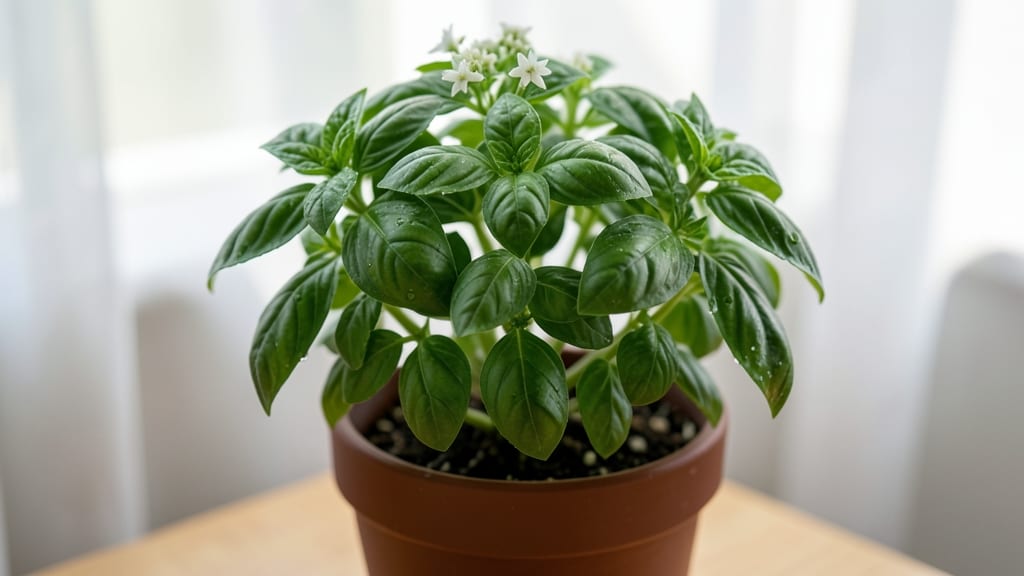
Confusing boxwood and basil? 🌿 I get it—both have lush green leaves and thrive in containers, but they’re completely different plants with totally different care needs.
Boxwoods (Buxus spp.) are evergreen shrubs that stay dense and structured year-round, while basil (Ocimum basilicum) is an annual herb that loves warmth and frequent harvesting. Let’s clear up the confusion and give each plant the perfect conditions to shine.
Boxwoods crave well-draining soil, partial shade, and consistent moisture—think of them as the low-maintenance shrubs that keep their glossy leaves even in winter. Basil, on the other hand, demands full sun, rich soil, and regular watering to keep those fragrant leaves producing.
Both hate soggy roots, but basil wilts faster when thirsty, while boxwoods show stress with yellowing or browning edges. The key? Match their natural habitats to your garden or pot setup.
With boxwoods, minimal pruning keeps them shaped and bushy—just trim back after flowering or to encourage denser growth. Basil thrives with pinching (removing top leaves) to encourage bushier plants and more flavorful harvests.
Both respond well to occasional feeding: boxwoods with balanced fertilizer in spring, basil with a nitrogen boost mid-season. The payoff? Boxwoods stay evergreen all year, while basil delivers fresh, aromatic leaves for cooking—no confusion, just perfect plants for their purpose.
Whether you’re growing boxwoods as a structured hedge or basil for pesto, the secret is paying attention to their unique needs. Start with the right soil mix, watch for pests (boxwoods love spider mites; basil attracts aphids), and don’t overwater.
Both plants reward patience with lush, vibrant foliage—just in very different ways. Ready to grow them both? Let’s dive into the details!
📚 In This Guide
- What you need
- Instructions
- Tips and common mistakes
- Wrapping up and next steps
What you need
- ● Boxwood basil plant: 1–3 plants (for containers, spacing 12–18 inches apart for in-ground planting)
- ○ Optional: Seeds (if propagating from scratch; requires patience and warmth)
- ● Well-draining potting mix: 1–2 bags (1–2 cubic feet each) of light, airy mix (e.g., 50% potting soil + 50% perlite/pumice)
- ● For in-ground: Amend native soil with compost (1 part compost to 3 parts soil)
- ● Container (if not planting outdoors): 1–2 10–12-inch pots with drainage holes (terracotta or fabric pots preferred)
- ○ Optional: Self-watering planter for low-maintenance care
- ● Garden trowel or small shovel (for transplanting)
- ● Pruning shears (sharp, clean pair for shaping and propagation)
- ● Gloves (to protect hands from prickly stems)
- ● Watering can or hose with gentle spray nozzle
- ○ Mulch (optional but recommended): 1–2 bags of organic mulch (e.g., shredded bark or pine needles) to retain moisture
- ● Sunlight: 6+ hours of direct sun daily (partial shade tolerates in hot climates)
- ● Temperature: Thrives in USDA Zones 7–11; protect from frost (<32°F)
- ● Watering routine: Keep soil consistently moist but not soggy (drought-tolerant once established)
- ○ Soil pH: Slightly acidic to neutral (6.1–7.3) (test kit optional but helpful)
How to grow and maintain a thriving boxwood basil plant
Here’s how I keep my boxwood basil lush year-round with almost no fuss—just a few key moves.
🪴 Step 1: Select the Right Location for Year-Round Growth
Boxwood basil thrives in partial shade to full sun, but the secret to its dramatic foliage is morning sunlight and afternoon shade—this prevents leaf scorch while keeping the leaves vibrant. I place mine near an east-facing window or under a 60% shade cloth in hotter climates. The ideal spot gets 4-6 hours of direct sun daily, with protection from harsh afternoon rays.
Check the soil temperature before planting—it should be at least 55°F. If you’re in a cooler zone, wait until the last frost has passed. The plant’s roots are sensitive to cold, so mulching with 2-3 inches of organic mulch (like shredded bark) helps regulate soil temperature and retain moisture.
🌱 Step 2: Plant in Well-Draining Soil with Proper Spacing
Boxwood basil needs fertile, well-draining soil with a slightly acidic to neutral pH (6.0-7.0). Amend heavy clay soil with compost or peat moss to improve aeration. Dig a hole twice as wide as the root ball but no deeper—this encourages shallow root growth, which is key for its compact shape.
Space plants 3-4 feet apart in the ground or 12-18 inches apart in containers. Crowding leads to leggy growth and weak foliage. If planting in containers, use pots at least 12 inches deep with drainage holes. I like terracotta because it breathes and helps prevent root rot.
💧 Step 3: Water Deeply but Infrequently
Boxwood basil is drought-tolerant once established, but young plants need consistent moisture. Water deeply once a week, soaking the soil to 12 inches deep—this encourages deep root growth. Let the top 2 inches of soil dry out between waterings to prevent soggy roots. Overwatering is the fastest way to kill this plant.
Mulch around the base with 2-3 inches of organic mulch to retain moisture and suppress weeds. In containers, water when the top inch of soil feels dry—stick your finger in to check. Avoid wetting the leaves, as this can lead to fungal issues like powdery mildew.
✂️ Step 4: Prune Strategically for Year-Round Drama
Pruning is minimal but crucial for maintaining that lush, boxwood-like shape. After the first growing season, trim back one-third of the new growth in early spring to encourage bushier growth. Use clean, sharp shears and cut just above a leaf node at a 45-degree angle to promote healing.
Throughout the year, pinch back any leggy stems or overgrown branches to maintain symmetry. I prune lightly every 4-6 weeks to keep the plant compact. Never let it grow too tall—boxwood basil stays at its best when kept under 3 feet tall. Deadhead spent flowers to redirect energy into foliage growth.
☀️ Step 5: Fertilize Lightly for Lush Foliage
Boxwood basil doesn’t need heavy feeding, but a light application of balanced fertilizer (10-10-10) in early spring and again in midsummer keeps it thriving. Use half the recommended dose to avoid burning the roots. I also top-dress with compost in the fall to replenish nutrients naturally.
If the leaves start yellowing, it’s a sign of over-fertilization—flush the soil with water to leach out excess salts. In containers, fertilize every 6-8 weeks during the growing season. Avoid high-nitrogen fertilizers, which can make the plant grow too fast and lose its compact shape.
Tips & tricks for perfect boxwood basil plant care
These simple strategies will help you maintain that lush, boxwood-like appearance with minimal effort.
Lighting Strategy: The 4-6 hours of morning sun is non-negotiable for vibrant foliage, but afternoon shade is equally important. I've found that placing your boxwood basil near a north-facing window or under a 60% shade cloth during peak afternoon hours prevents leaf scorch while maintaining that rich green color. In hot climates, even a sheer curtain can provide enough protection. The key is balancing light exposure—too much direct afternoon sun will bleach the leaves, while too little will make them pale and leggy.
Soil Preparation: That slightly acidic to neutral pH (6.0-7.0) is crucial for healthy root development. If your soil is heavy clay, don't just add compost—mix in equal parts compost and peat moss to create proper aeration. I've seen boxwood basil plants struggle in dense soil because the roots can't breathe. Another pro tip: Test your soil's pH before planting. You can adjust it with sulfur (to lower pH) or lime (to raise pH) if needed, but most garden centers sell pre-mixed soil amendments specifically for basil varieties.
Watering Technique: The deep watering once a week is essential, but timing matters just as much. I water my boxwood basil in the early morning so the leaves have plenty of time to dry before evening. This simple habit prevents fungal issues like powdery mildew that can develop from prolonged moisture on the foliage. When checking the top inch of soil in containers, press your finger in gently—if it feels completely dry, that's your cue to water. The soil should feel moist but not soggy after watering.
Pruning Precision: That 45-degree angle when pruning isn't just aesthetic—it's functional. Cutting at an angle prevents water from pooling at the cut site, which could lead to rot. I always use clean, sharp shears to make precise cuts just above a leaf node. This encourages new growth from that node while maintaining the plant's compact shape. When pinching back leggy stems, aim to remove about one-third of the new growth annually. This might seem drastic, but it actually stimulates bushier, more compact growth that's the hallmark of boxwood basil.
Pro Tips for Boxwood Basil Plant
- These simple strategies will help you maintain that lush, boxwood-like appearance with minimal effort.
- Lighting Strategy: The 4-6 hours of morning sun is non-negotiable for vibrant foliage, but afternoon shade is equally important.
- Soil Preparation: That slightly acidic to neutral pH (6.0-7.0) is crucial for healthy root development.
Frequently asked questions
Is boxwood basil hard to grow compared to regular basil?
Not at all! Boxwood basil is a low-maintenance superstar—it thrives in the same conditions as regular basil but boasts thicker, glossier leaves and a bushier shape. It’s perfect for beginners or busy gardeners who want year-round greenery without fuss. Just give it 6+ hours of sunlight and well-draining soil, and it’ll reward you with drama-worthy foliage!
How fast does boxwood basil grow, and when can I harvest?
Expect steady growth—boxwood basil can reach 12–18 inches tall in a season if given ideal conditions. You can start harvesting lightly once it’s about 6 inches tall by snipping individual leaves or small stems. For a bushier plant, avoid cutting more than 1/3 of the foliage at once. Pro tip: Pinch back the tips to encourage branching!
Can boxwood basil survive winter outdoors, or should I bring it inside?
This is where boxwood basil shines—it’s hardy in USDA zones 7–11 and can tolerate light frosts (down to 20°F) if protected. In colder zones, mulch the base or move potted plants to a sheltered spot (like a garage or under eaves). For extra insurance, prune back in early spring to stimulate fresh growth. It’s a year-round workhorse!
What pests or diseases should I watch for with boxwood basil?
Boxwood basil is resistant to many issues, but keep an eye out for aphids, spider mites, or whiteflies (common in humid climates). Treat infestations early with neem oil or insecticidal soap. Overwatering can lead to root rot, so ensure pots have drainage holes and soil stays evenly moist but not soggy. Yellowing leaves? Check for overcrowding or nutrient deficiencies—a balanced fertilizer helps!
Can I use boxwood basil the same way as regular basil in cooking?
While it has a milder, slightly sweeter flavor than Genovese or Thai basil, it’s perfect for pesto, salads, or garnishes. The thick leaves hold up better to blanching or drying than delicate basil varieties. Swap it 1:1 in recipes, but harvest young leaves for the best flavor. Bonus: Its compact growth makes it ideal for container gardening on patios or windowsills!
Wrapping up and next steps
Growing a boxwood basil plant is a rewarding way to add lush, year-round greenery to your garden with minimal fuss! Its hardy nature and striking foliage make it a standout choice for both beginners and seasoned gardeners.
Whether you’re drawn to its elegant leaves or its low-maintenance appeal, this plant is sure to elevate your outdoor (or indoor!) space effortlessly.
Now that you’re armed with the essentials, why not take the next step? Start by selecting your perfect spot, grab your shears, and give your boxwood basil the love it deserves. Happy planting—and enjoy the drama! 🌿✨