
Planting
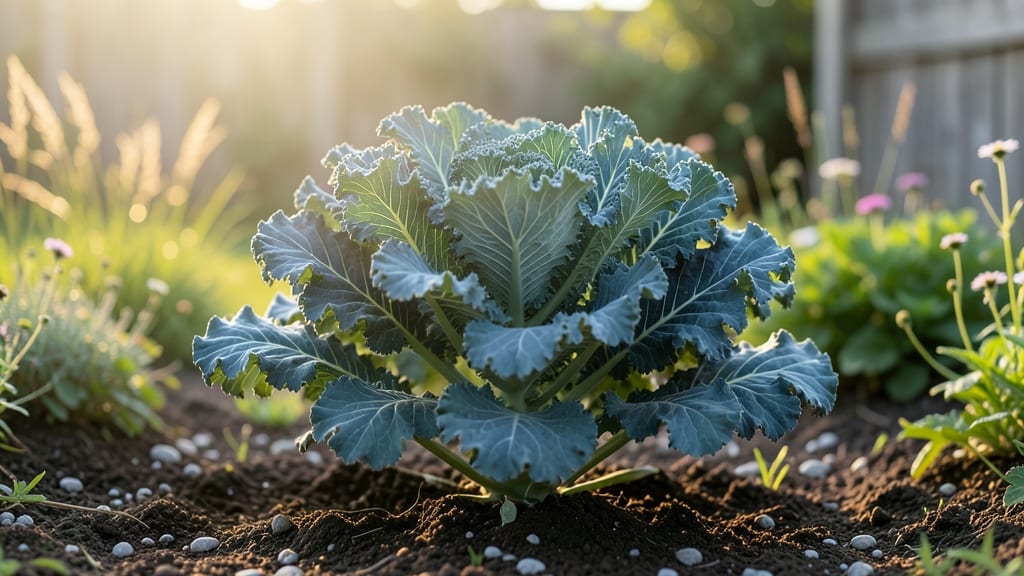
Growing the Brassica mustard plant delivers peppery greens in just 45 days—faster than most lettuces. 🌱 I’ve grown it in everything from raised beds to containers, and once you taste homegrown mustard greens, store-bought just can’t compare.
The secret? Cool weather and consistent moisture, which makes it perfect for early spring or fall planting.
Start with well-draining soil rich in compost—mustard thrives in 60-65°F temperatures and full sun to partial shade. Seeds germinate in 4-7 days, and you’ll harvest leaves in about 30 days or mature pods in 45 days.
The peppery flavor intensifies when leaves are young, but older leaves work great for stir-fries or sautéing.
Water deeply 2-3 times per week (more in heatwaves), keeping soil evenly moist but not soggy. Mustard plants self-seed aggressively, so snip spent flowers if you don’t want a volunteer crop next year. The leaves stay crisp and flavorful for 2-3 weeks after harvest, making them a cut-and-come-again crop.
Works in USDA Zones 5-10, though it bolts faster in hot climates. Try it alongside peas or lettuce for a high-yield, low-maintenance green that outshines store-bought options. Ready to grow yours?
📚 In This Guide
- What you need
- Instructions
- Tips and common mistakes
- Wrapping up and next steps
What you need
- ● Brassica mustard seeds – 1-2 oz (30-60g) (choose varieties like Southern Giant Curled or Tendergreen for best results).
- ● Growing containers or garden bed – For containers: 5-6" deep pots (3-4 plants per container).
- ● For garden beds: Full sun (6+ hours/day) with well-draining soil.
- ● Potting mix or garden soil – High-quality, organic mix (add compost for nutrients).
- ● Watering can or hose with a gentle spray nozzle (mustard greens hate soggy roots!).
- ○ Fertilizer (optional but recommended) – Balanced 10-10-10 or fish emulsion (apply at planting and mid-growth).
- ● Or compost tea for organic boosts.
- ● Gloves (mustard plants can be spicy—handle with care!).
- ● Trowel or small shovel (for planting seeds ½" deep).
- ○ Row cover or shade cloth (optional, for pest protection in hot climates).
- ● Pruning shears (to harvest outer leaves without damaging the plant).
- ● pH test kit (ideal soil pH: 6.0–7.0).
- ● Best planting time: Cool seasons (spring or fall). Avoid extreme heat (above 80°F/27°C).
- ● Hardiness zones: 3–10 (check your local frost dates!).
- ● Days to harvest: 30–45 days (young leaves are mildest!).
Step-by-Step instructions for growing Brassica mustard plants
Here's how to grow vibrant mustard greens in just 45 days—faster than most leafy greens.
🌱 Step 1: Prepare Seeds and Soil for Fast Germination
Mustard seeds germinate quickly, but they need the right conditions to break through the soil fast. Soak the seeds in lukewarm water for 8-12 hours before planting—this softens the outer coating and speeds up sprouting. I like to place them in a small bowl with enough water to cover them, then let them sit in a warm spot.
Use a well-draining seed-starting mix (never garden soil—it’s too dense and can slow growth). Fill your containers to within ½ inch of the top and moisten the soil until it’s damp but not soggy. A light misting from a spray bottle works best—you don’t want to compact the soil or dislodge seeds when planting.
🌱 Step 2: Sow Seeds at the Right Depth and Spacing
Mustard seeds are tiny, so I use a toothpick to create small holes—about ¼ inch deep—and place 2-3 seeds per hole. Sowing too deep delays germination, while planting too shallow can leave seeds exposed to drying out. Cover lightly with a thin layer of soil, then gently press it down with your fingers to ensure good seed-to-soil contact.
Space seeds 1 inch apart in rows that are 12 inches apart if growing in the ground. If using containers, place 3-4 seeds per 6-inch pot to ensure you get strong seedlings. After planting, give the soil a light watering to settle everything in place.
💧 Step 3: Maintain Moisture and Provide Ideal Growing Conditions
Mustard greens grow best in cool weather (50-70°F), so avoid planting during heatwaves. Keep the soil consistently moist—water when the top ½ inch feels dry—but never let it sit in standing water. Overwatering can lead to fungal issues, while underwatering causes bitter leaves.
Thin seedlings to 2-3 inches apart once they reach 2 inches tall. Use scissors to snip unwanted sprouts at soil level—this prevents competition and gives your remaining plants room to grow. You’ll see strong, upright growth within 10-14 days if conditions are right.
☀️ Step 4: Harvest at Peak Flavor and Texture
Mustard greens are ready to harvest in just 4-6 weeks, but I like to pick them when they’re 6-8 inches tall for the best flavor and tenderness. Use a sharp knife or clean scissors to cut leaves at the base, leaving 1-2 inches of growth so the plant keeps producing.
For a continuous harvest, pick outer leaves first—this encourages new growth from the center. If you let the plant bolt (send up a flower stalk), the leaves will turn bitter. Harvest in the morning after dew has dried for the freshest greens, and store them in the fridge for up to 5 days.
Tips & tricks for growing bold Brassica mustard greens
Here's what I've learned after growing mustard greens for years—these tricks will help you avoid common pitfalls and maximize your harvest.
Soaking Secret: The 8-12 hour soak in lukewarm water isn't just about speeding germination—it's also a great time to check for any bad seeds. Discard any that float to the surface as they won't sprout. I like to use a fine mesh strainer for this step, which makes the transfer to soil much easier later. The warm water should feel comfortable to your hand, not hot.
Planting Precision: In Step 2, when creating those ¼-inch deep holes, I've found using a toothpick works best, but a chopstick works too if you're planting larger quantities. After planting, I gently press the soil around each seed with my finger—this ensures maximum contact between seed and soil, which is crucial for those tiny mustard seeds to establish quickly. Think of it as giving them a little hug to help them grow.
Thinning Technique: When thinning your seedlings to 2-3 inches apart, I recommend doing this on a cloudy day or in the evening. The reduced sunlight helps minimize stress on the plants. Use clean, sharp scissors to snip at soil level—this prevents disease from spreading through torn stems. The plants you remove can be used in salads or composted right away.
Harvest Timing: The 4-6 week window is flexible, but I've noticed the greens develop their boldest flavor when harvested at 6-8 inches tall. If you're growing in cooler climates, you might get a second harvest after the plants bolt—just pick the leaves before the flower stalk gets too tall. Morning harvests are always fresher, as the leaves contain the most moisture after a night's rest.
Pro Tips for Brassica Mustard Plant
- Here's what I've learned after growing mustard greens for years—these tricks will help you avoid common pitfalls and maximize your harvest.
- Soaking Secret: The 8-12 hour soak in lukewarm water isn't just about speeding germination—it's also a great time to check for any bad seeds.
- Planting Precision: In Step 2, when creating those ¼-inch deep holes, I've found using a toothpick works best, but a chopstick works too if you're planting larger quantities.
Frequently asked questions
When is the best time to plant brassica mustard seeds?
Plant Brassica mustard seeds in early spring (after the last frost) or late summer for a fall harvest. Mustard thrives in cooler weather (50–75°F) and bolts quickly in heat, so avoid planting when temperatures exceed 80°F. For year-round growing, use shade cloth in summer or opt for heat-tolerant varieties like Southern Giant Curled Mustard.
How long does it take for mustard greens to mature?
Most Brassica mustard varieties mature in 30–45 days from seed, depending on the type. Baby leaves are ready in 2–3 weeks, while full-sized greens take closer to 6 weeks. Check seed packets for specific harvest times—some varieties (like Tendergreen) are bred for faster growth.
Why is my mustard plant turning bitter or bolting early?
Bitterness or early bolting (flowering) usually happens due to heat stress, long daylight hours, or overmaturity. To prevent it:
- Harvest leaves before flowering (cut outer leaves first).
- Plant in partial shade if temps rise above 75°F.
- Choose bolting-resistant varieties like Southern Curled Mustard.
- Avoid over-fertilizing with nitrogen (too much = rapid growth + bitterness).
Can I grow mustard greens in containers or small spaces?
Brassica mustard is perfect for containers—just use pots at least 6 inches deep with drainage holes. Dwarf varieties like Tokyo Bekana or Red Giant stay compact (12–18" tall). Place pots in full sun to partial shade and water consistently to keep soil moist. Containers warm up faster, so monitor for bolting in summer.
Are there any alternatives to mustard greens for similar flavor?
If you love the peppery kick of mustard greens but want variety, try these similar leafy greens:
- Turnip greens – Mildly bitter, great in stir-fries.
- Arugula – Spicy and fast-growing (ready in 30 days).
- Kale (Lacinato or Red Russian) – Heartier and cold-hardy.
- Pak choi (bok choy) – Crisp texture, mild mustard-like flavor.
How do I keep pests like aphids or cabbage worms off my mustard plants?
Mustard greens attract pests like aphids, cabbage worms, and flea beetles. Combat them naturally with:
- Row covers (floating fabric) to block pests.
- Neem oil spray (apply in evening to avoid harming bees).
- Handpick worms or use BT (Bacillus thuringiensis) for organic control.
- Interplant with basil, marigolds, or onions to deter pests.
Wrapping up and next steps
The brassica mustard plant is a rewarding, fast-growing addition to any garden—packed with flavor, nutrition, and ease! Whether you’re a seasoned gardener or a curious beginner, its 45-day harvest time makes it perfect for quick wins.
Now that you’re equipped with the right materials, tips, and troubleshooting, there’s no better time to roll up your sleeves and plant your first batch.
Ready to dive in? Start with a small batch—try a few seeds in containers or a sunny patch of soil—and let your green thumb grow! Share your mustard harvest with friends or experiment in meals; the possibilities are as bold as the flavor itself. Happy growing! 🌱✨