
Planting
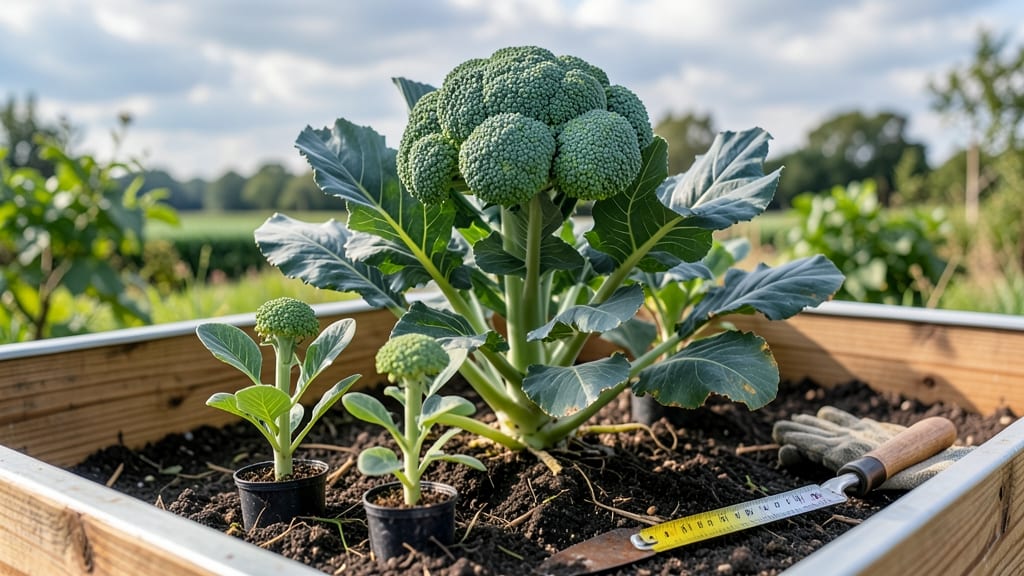
Spacing your broccoli plants correctly in a raised bed 🥦 is the secret to bigger heads, fewer pests, and a harvest that actually fills your plate.
Picture this: you’ve just planted your raised bed, excited for a bumper crop, only to find your broccoli heads stunted or bolting early because they’re fighting for space. That’s not just wasted effort—it’s wasted soil and precious garden real estate.
In a raised bed, where every inch counts, 18–24 inches between plants isn’t just a suggestion—it’s the difference between a thriving harvest and a disappointing one. But here’s the catch: spacing alone won’t guarantee success.
Soil prep, variety choice, and even how you arrange them in rows can make or break your yield.
Below, I’ll walk you through the exact spacing for your raised bed, how to avoid common mistakes, and the best layout tricks to maximize every square foot—so you’re not just planting, you’re planning for a bountiful harvest.

Optimal broccoli spacing in raised beds: science-backed guidelines
Getting your broccoli spacing right in raised beds isn’t just about cramming in more plants—it’s about giving each one room to thrive. Proper spacing ensures sunlight exposure, air circulation, and disease prevention, all of which directly impact your harvest.
In raised beds, where space is often limited, strategic spacing becomes even more critical for maximizing yield.
Raised beds offer better drainage and warmer soil than in-ground planting, but they also mean less room to spread out. The key is balancing plant density with individual plant health.
For broccoli, this means adjusting spacing based on whether you’re growing heading varieties (like Calabrese) or sprouting types (like Purple Sprouting). Let’s break down the science-backed guidelines.
Why spacing matters: Too little space leads to competition for nutrients, increased humidity (which invites fungal diseases), and smaller heads. Too much space wastes precious raised bed real estate. The sweet spot varies by variety, but most broccoli plants need 18–24 inches between plants in all directions for optimal growth.
Here’s a quick reference for raised bed broccoli spacing based on plant type and maturity. Use this table to plan your layout before planting:
For raised bed layouts, think beyond just plant-to-plant spacing. The bed width matters too—aim for no more than 4 feet wide so you can reach the center without stepping in the bed.
If your bed is wider, divide it into sections with pathways or boards to avoid compacting the soil.
Sunlight is another critical factor. Broccoli needs 6+ hours of full sun daily, and proper spacing ensures no plant gets shaded out by its neighbors. In northern climates, where sunlight is less intense, you might stretch spacing slightly to 24 inches to prevent overcrowding.
Conversely, in southern regions, you can reduce spacing to 18 inches if your bed gets intense afternoon sun.
Air circulation is often overlooked but crucial for disease prevention. Broccoli is susceptible to downy mildew and black rot, both of which thrive in humid, stagnant conditions. By spacing plants 18–24 inches apart, you create airflow that keeps foliage dry and reduces fungal risks.
If you notice yellowing leaves or mold on stems, it’s a sign your plants need more space.
Adjust your spacing if you’re practicing succession planting. When you plant a second crop in the same bed after harvesting the first, reduce spacing to 12–18 inches to maximize use of the limited space.
Just be prepared to thin seedlings if they get too crowded as they grow. Alternatively, interplant broccoli with fast-growing companions like lettuce or radishes to fill gaps while waiting for the broccoli to mature.
Finally, consider the maturity timeline of your varieties. Fast-maturing broccoli (like 'De Cicco', ready in 50 days) can be spaced closer (12–18 inches) because they’ll be harvested before they outgrow their space.
Slow-maturing varieties (like 'Belstar', ready in 80+ days) need the full 24-inch spacing to avoid crowding as they bulk up.
Proper spacing isn’t just about fitting more plants—it’s about growing healthier, larger heads with fewer pests and diseases. Take the time to plan your layout, and your raised bed broccoli will reward you with a bountiful harvest. Happy planting! 🥦
How to arrange broccoli plants in raised beds for maximum efficiency
Arranging broccoli plants efficiently in a raised bed isn't just about fitting more plants—it's about creating an environment where each plant thrives. With proper spacing and strategic layouts, you can maximize yields while preventing diseases like clubroot or downy mildew.
The key is balancing plant size, sunlight access, and airflow to ensure every head grows to its full potential.
Raised beds offer unique advantages for broccoli: improved drainage, fewer weeds, and better pest control. But without the right layout, you might end up with stunted plants or wasted space.
For example, a 4x8-foot bed can fit 12-16 broccoli plants if spaced correctly, but cramming in more risks poor airflow and disease. Let’s break down the best strategies for your raised bed setup.
Comparison Table: Broccoli Layout Strategies for Raised Beds
| Layout Method | Spacing (inches) | Plants per 4x8 ft Bed | Best For | Companion Plants |
|---|---|---|---|---|
| Square Foot Gardening | 1 plant per sq ft (12" apart) | 16 plants | Small gardens, beginners | Lettuce, onions, herbs |
| Staggered Rows | 18" apart, rows 24" apart | 12-14 plants | Full-size varieties | Bush beans, radishes |
| Interplanting | 12-18" apart, mixed heights | 18-20 plants | Continuous harvests | Spinach, carrots, chives |
| Companion Planting | 18" apart, paired with onions | 10-12 plants | Pest control, flavor boost | Onions, thyme, marigolds |
For a 4x4-foot bed, reduce spacing to 12-15 inches between plants to fit 8-10 broccoli plants. This works well for dwarf varieties like 'Calabrese' or 'Purple Sprouting'. If you're growing full-size varieties, stick to 18-24 inches apart to avoid shading smaller plants.
Staggered rows—planting every other row offset—improves airflow and sunlight penetration, especially in taller varieties.
Companion planting is a game-changer for broccoli. Pairing broccoli with onions or garlic deters pests like cabbage moths, while lettuce or herbs like dill thrive in the shade of broccoli’s lower leaves.
This interplanting strategy also extends your harvest season. For example, plant fast-growing radishes or spinach between broccoli rows in early spring—they’ll be harvested before the broccoli needs full space.
To maintain efficiency, mulch around plants with straw or grass clippings to retain moisture and suppress weeds. Avoid over-fertilizing, as this encourages leafy growth over head formation.
Instead, focus on balanced fertilization (10-10-10 NPK) every 4-6 weeks during active growth. This ensures your broccoli plants put energy into producing those tight, flavorful heads you love.
Remember, the goal is continuous harvests, not just a single bumper crop. By combining staggered planting (sowing new seeds every 2 weeks) with companion plants, you can enjoy fresh broccoli from early summer through fall.
And if you’re short on space, consider vertical training for side shoots—taller varieties can have their side shoots grow upward with gentle ties.