
Planting
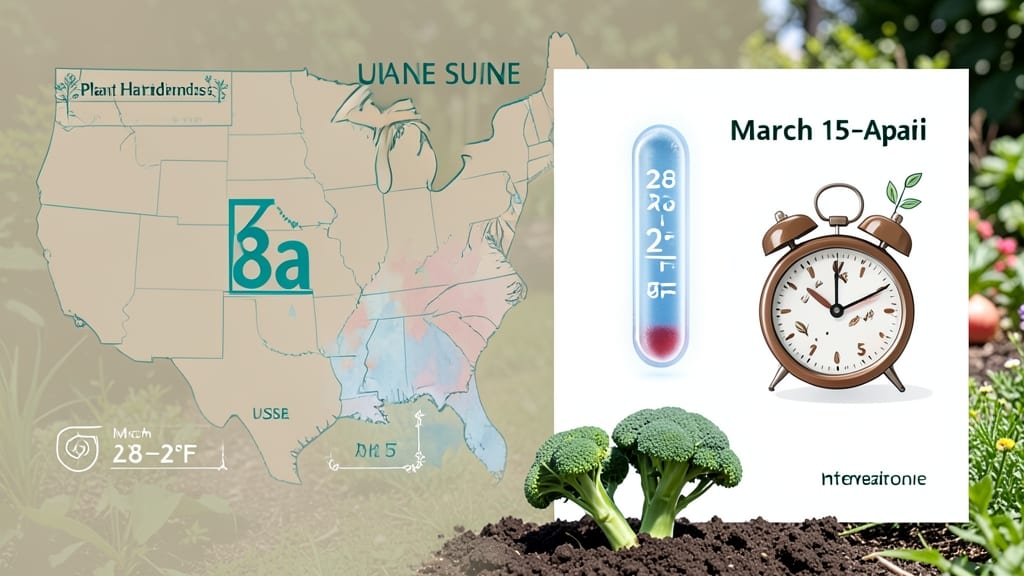
Knowing the last frost date for Zone 8A in 2025 helps you plan planting between March 15 and April 15, though exact timing varies by county. Always verify local USDA data or adjust for microclimates, especially when growing frost-sensitive plants like peppers or tomatoes.
Understanding these dates is crucial because frost risk drops dramatically after this window, but early warm spells can create false confidence. 🌱 For example, coastal areas like Savannah often see frost-free conditions by early March, while inland regions near the Appalachians may wait until mid-April.
I recommend checking your county's 10-year frost history from the USDA Plant Hardiness Zone Map—this gives you a clearer picture than relying solely on the general Zone 8A range.
What makes this especially tricky is how elevation plays a role: higher areas stay colder longer, while valleys warm up faster. If you're growing heat-loving crops like okra or eggplant, waiting until after April 15 gives them a safety net against late frosts.
For cool-season crops like spinach or peas, you can start planting as early as February in most of Zone 8A, but always have row covers ready for unexpected cold snaps.
💡 In This Article
- Zone 8A Frost Patterns: How Climate and Elevation Affect Timing
- Planting by the Calendar: 2025 Zone 8A Deadlines for Vegetables and Flowers
Zone 8A frost patterns: how climate and elevation affect timing
Zone 8A spans diverse landscapes from the Coastal Plain to the foothills of the Appalachians, which means frost timing can vary by 10-14 days between neighboring counties.
The USDA's 30-year average for Zone 8A shows that coastal areas like Savannah typically see their last frost by March 1-15, while inland regions near the Blue Ridge Mountains often wait until April 1-15.
This happens because cold air pools in valleys, while coastal regions benefit from the moderating influence of the Atlantic Ocean, which delays frost formation.
The key mechanism here is temperature inversion—warmer air traps cooler air near the ground in low-lying areas, creating microclimates where frost lingers longer. For example, in Charleston, SC, the average last frost date is February 28, but just 50 miles inland in Columbia, it's March 22.
Elevation changes of just 500 feet can shift frost dates by 3-5 days. During El Niño years (like 2025), warmer ocean temperatures push the jet stream northward, often bringing milder winters and earlier last frosts—sometimes 2-3 weeks ahead of schedule.
What most gardeners don't realize is how radiational cooling—the rapid temperature drop after sunset—amplifies frost risk in Zone 8A. Clear nights with calm winds allow heat to escape, creating dangerous conditions even when daytime temperatures are mild.
This is why frost cloths or row covers become essential tools for extending planting windows. For instance, in Atlanta, GA, where the average last frost is March 15, using a lightweight frost blanket can push planting dates back by 1-2 weeks for heat-loving crops.
Historical data shows that Zone 8A has seen a 1.5°F warming trend over the past decade, which translates to earlier last frosts in many areas.
However, this doesn't mean you can ignore frost entirely—record late frosts still occur, like the April 12, 2018 freeze that damaged citrus crops across central Florida and southern Georgia.
The USDA's Plant Hardiness Zone Map now includes 10-year frost probability data, which helps adjust planting timelines for crops like tomatoes that need 70+ frost-free days to mature.
To make this practical, consider these key factors when planning:
- Check your county's 10-year frost history from the USDA website,
- Monitor local weather forecasts for radiational cooling warnings, and
- Use elevation tools like Google Earth to identify microclimates in your yard.
For example, a south-facing slope warms up 2-3°F faster than a north-facing area, potentially adding 5-7 days to your frost-free window.
One advanced technique is to plant frost-sensitive crops in containers that can be moved indoors during cold snaps. I've seen gardeners in Augusta, GA (Zone 8A) successfully grow peppers by starting them in pots and rolling them under a porch light when nighttime temperatures dip below 50°F.
This flexibility is especially valuable in years like 2025, when El Niño patterns may create unpredictable frost risks.