
Planting
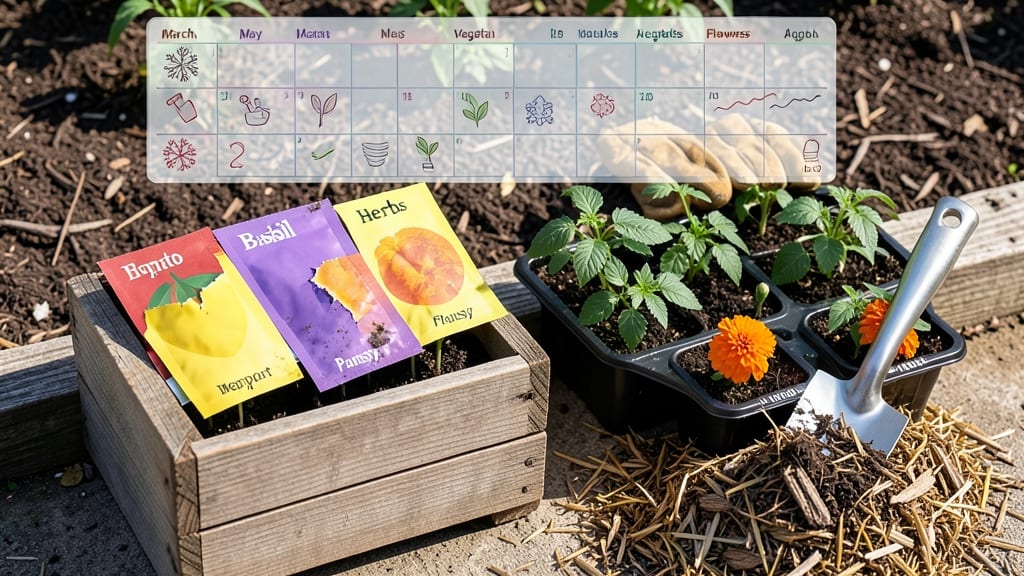
To plant in Zone 6b at the perfect time means catching the window between last frost and summer’s heat—miss it, and your garden could end up as a sad, frozen memory.
Timing your planting in USDA Zone 6B can mean the difference between a thriving garden and a wasted season—miss the last frost date, and your tender plants could freeze before they even sprout.
This guide breaks down the exact last frost dates for Zone 6B, plus the best planting windows for vegetables, flowers, and perennials to maximize your harvest.
Whether you’re sowing cool-season crops like lettuce in early spring or warm-season tomatoes after the frost danger has passed, knowing the right times saves you from guesswork—and heartache.
Last frost dates in Zone 6B: when to plant cool-season vs warm-season crops
Timing your planting in USDA Zone 6B is all about understanding your last spring frost and first fall frost dates. In most of Zone 6B, the average last frost falls between March 15 and April 15, while the first frost typically arrives between October 1 and November 15.
These dates create a 165-day growing season—just enough to grow both cool-season crops and warm-season favorites with careful planning.
Cool-season crops like lettuce, spinach, and peas thrive in cooler temperatures and can often be planted as soon as the soil is workable, sometimes even before the last frost.
Meanwhile, tomatoes, peppers, and basil need warm soil and air to germinate, so they must wait until all danger of frost has passed. Understanding these differences ensures your garden stays productive year-round.
Here’s a quick reference for Zone 6B frost dates and the best planting windows for your most popular crops:
| Crop Type | Last Spring Frost (Plant After) | First Fall Frost (Plant Before) | Best Planting Window |
|---|---|---|---|
| Cool-Season Vegetables | March 15–April 15 | October 1–November 15 | Spring: March–April; Fall: August–September |
| Warm-Season Vegetables | April 15–May 1 | October 1–15 | May–June (transplant) or April (direct sow) |
| Spring-Blooming Flowers | March 1–April 15 | N/A (perennials) | Early spring (March–April) |
| Fall-Blooming Flowers | N/A (perennials) | October 1–November 15 | Late summer (July–August) |
| Perennials (Hardy) | April 1–May 1 | N/A (established) | Early spring (April–May) |
For cool-season vegetables like kale, broccoli, and carrots, you can start seeds indoors in February or direct-sow as early as March, even if a late frost is possible. These plants are frost-tolerant and can often survive light freezes.
In contrast, warm-season crops such as tomatoes, peppers, and cucumbers must wait until soil temperatures reach 60°F or higher, typically after April 15.
If you’re growing flowers like pansies or snapdragons, these cool-season beauties can be planted as early as March for spring blooms. For fall-blooming flowers like marigolds or asters, start seeds in late summer (July–August) to ensure they bloom before the first frost.
Perennials like daylilies or coneflowers can be planted in early spring (April–May) once the soil is workable.
One pro tip for Zone 6B gardeners: Use row covers or cold frames to extend your growing season. For example, you can plant spinach or lettuce in late summer and protect them with a lightweight cover to harvest into early fall.
Similarly, strawberries or peas can sometimes be planted in
How to adjust planting times for early vs late Zone 6B locations
USDA Zone 6B spans a wide range of microclimates, where your last frost date can vary by weeks depending on whether you're near the coast or inland.
For example, Portland, Oregon typically sees its last frost around April 15, while Denver, Colorado might not reach that milestone until May 1. These differences mean your planting schedule needs careful adjustment to avoid frost damage or missed harvests.
Local factors like elevation, proximity to water bodies, and even urban heat islands can shift frost dates by 10–20 days. Coastal areas benefit from moderating ocean breezes, while inland regions experience more extreme temperature swings.
Understanding these nuances lets you extend growing seasons or protect tender plants effectively.
Soil temperature is another critical factor. Most vegetables need soil to reach at least 60°F before planting, but cool-season crops like spinach can tolerate cooler soils. Use a soil thermometer to verify readiness—especially in late Zone 6B areas where frost lingers longer.
For coastal Zone 6B gardens, like those in Portland or Seattle, you can often plant warm-season crops like tomatoes and peppers 2–3 weeks earlier than inland areas.
The ocean’s influence keeps nights warmer, reducing frost risk. Meanwhile, inland locations should focus on fast-maturing varieties or use season extenders like cold frames to protect plants.
Check your local Almanac frost dates or use a frost calendar app to pinpoint your exact window. For example, Denver’s shorter growing season means planting cool-season crops like kale in early spring and fall crops like carrots by mid-August.
In contrast, Portland’s milder climate allows for a longer window to grow warm-season plants like basil.
Adjust your planting timeline by monitoring local weather patterns and using microclimate tools. For instance, areas near large lakes or rivers may experience delayed frosts, while urban gardens can be 5–10°F warmer than rural areas.
Fine-tuning these details ensures your garden thrives, no matter where you are in Zone 6B. 🌱