
Planting
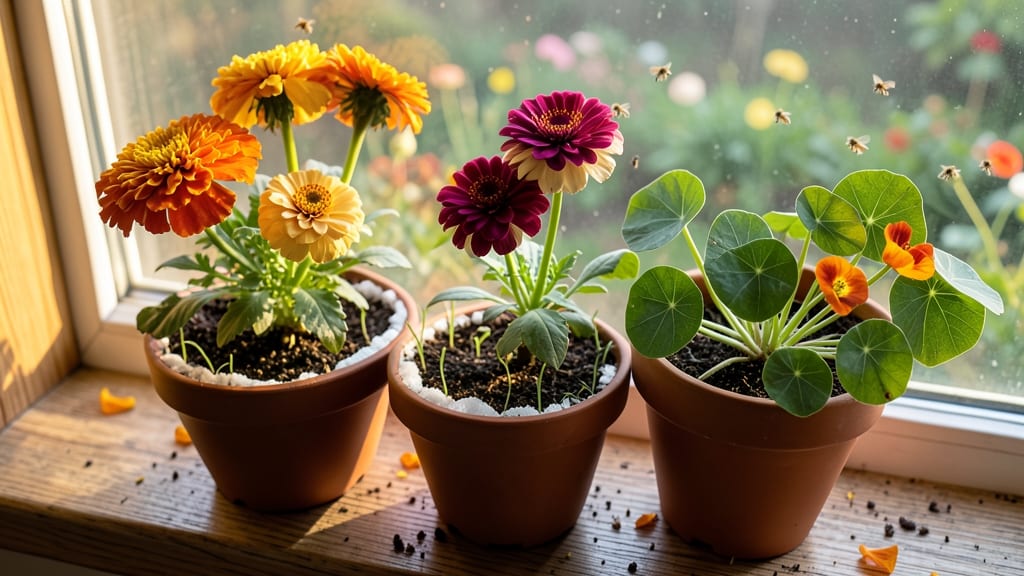
February is the perfect time to start seeds indoors and gain a head start on your garden. These 10 cold-hardy plants thrive when sown early, ensuring robust transplants ready for spring planting—before the last frost arrives.
Tomato Seeds for Early Varieties
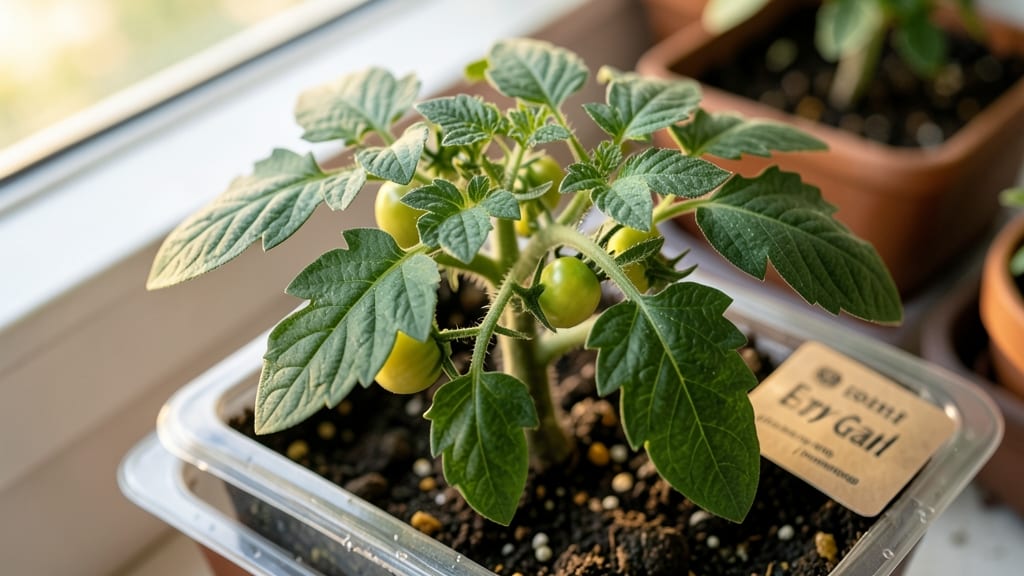
If your growing season feels too short to enjoy homegrown tomatoes, determinate varieties like 'Early Girl' are your secret weapon. These compact plants mature in just 50-60 days, making them perfect for areas with brief summers or cooler climates where traditional tomatoes struggle.
Start your seeds 6-8 weeks before your last frost date under grow lights or on a sunny windowsill. Use seedling trays with drainage holes and keep soil consistently moist (not soggy) to encourage strong root development. Once seedlings have two true leaves, transplant them into larger pots to prevent overcrowding—this gives you sturdy plants ready for the garden just as spring warms up.
Gardeners in Zone 4 or colder will love this early start, as it lets them beat heat waves and extend their harvest window. The key is timing: those 6-8 weeks indoors mean you'll be eating garden-fresh tomatoes weeks before neighbors with later starts. 🌱
Peppers for Hot and Mild Varieties
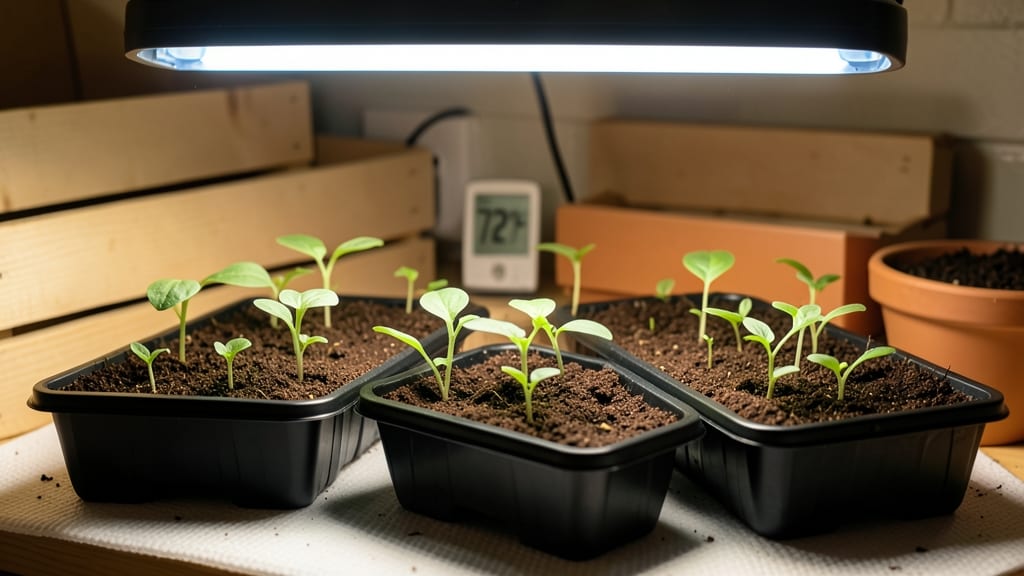
Want to spice up your garden with fresh peppers but live in a cooler climate? Jalapeño and Bell pepper varieties can still thrive if you start them indoors now—giving them the warmth they crave under grow lights.
Peppers need consistent warmth (70-85°F) to germinate and grow, which is why starting them indoors in February works perfectly. Use a grow light for 12-16 hours daily to mimic summer conditions, and keep soil moist but not soggy. These early starts mean you’ll harvest peppers weeks before those planted later in the season.
This strategy is ideal for gardeners in shorter growing seasons or urban spaces with limited outdoor warmth. With a little extra care, you’ll enjoy a longer harvest of crisp bells or fiery jalapeños. 🌻
Leafy Greens Like Lettuce and Spinach
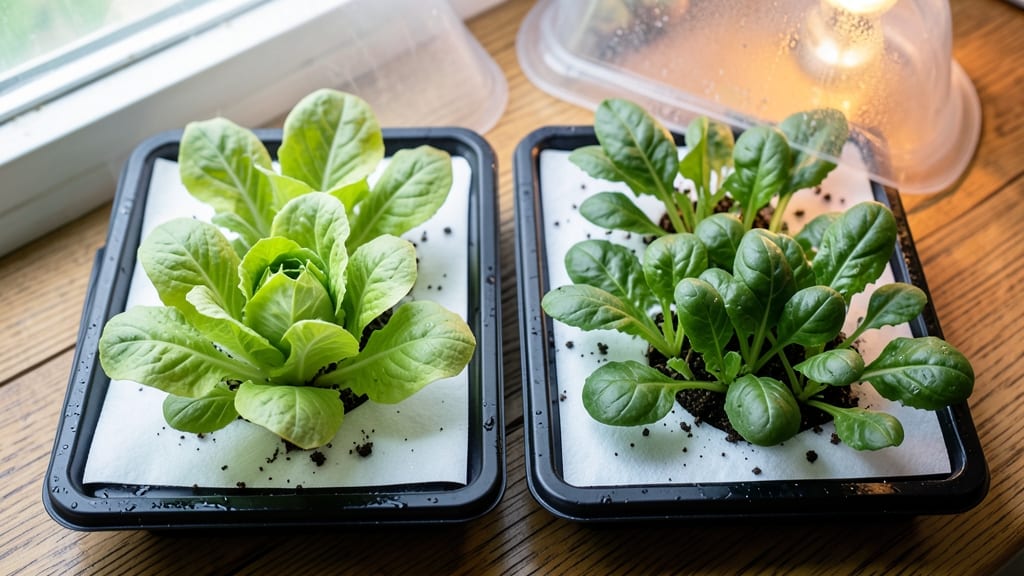
If you crave fresh greens but dread waiting for warm soil, leafy greens like 'Buttercrunch Lettuce' and 'Baby Spinach' are your February lifesavers. These cold-tolerant varieties sprout quickly indoors—often in just 5-7 days—and can be harvested as baby leaves or microgreens before you even transplant them.
Sow seeds ¼-inch deep in well-draining soil under grow lights (12-16 hours daily) to prevent leggy seedlings. Keep soil consistently moist but not soggy, and thin seedlings to 2 inches apart once true leaves appear. The real magic? You can harvest outer leaves 3-4 weeks after sowing without disturbing roots, giving you edible greens months before outdoor planting season.
Perfect for urban gardeners with limited space or anyone eager for early harvests, these greens thrive in cool temperatures and even tolerate light frosts after transplanting. Start them now for a steady supply of fresh greens straight from your windowsill! 🌱
Broccoli and Cauliflower for Spring Harvest
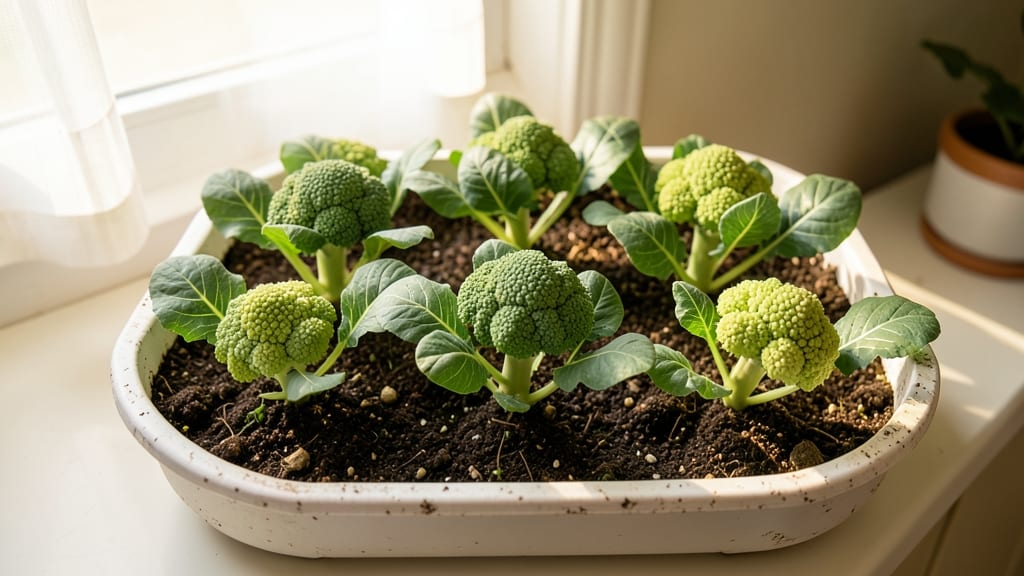
If you love spring harvests but live in a short-season climate, broccoli and cauliflower are your secret weapons. These brassicas need 80-100 days of warm weather to mature—perfect for gardeners who want a head start before the last frost. Starting 'Calabrese Broccoli' or 'Romanesco Cauliflower' indoors in February ensures you’ll have sturdy, transplant-ready seedlings by spring.
Sow seeds in well-draining seed-starting mix under grow lights (12-16 hours daily) to prevent leggy seedlings. Keep soil consistently moist but not soggy—these plants hate soggy roots. Once true leaves appear, thin to the strongest seedling per cell. Harden off seedlings for 7-10 days before transplanting into cool, fertile soil with plenty of organic matter.
This early start pays off with bold, flavorful heads and fewer pests. Ideal for gardeners in USDA Zones 3-8, these brassicas are especially rewarding for those with shorter growing seasons. 🌱
Onion and Leek Seedlings
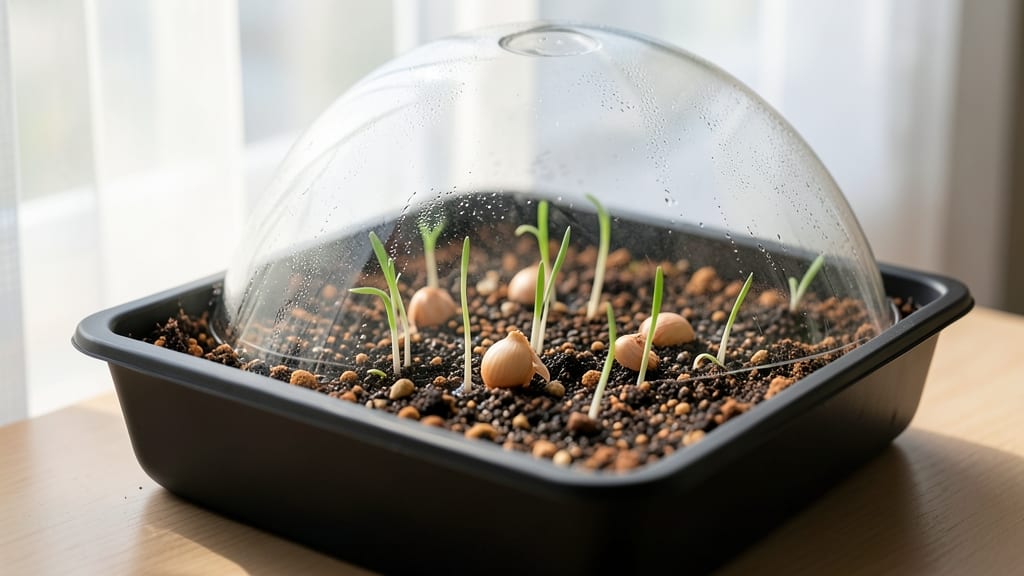
If you’ve ever waited weeks for onions and leeks to sprout, you’ll love starting these slow-to-germinate seeds indoors in February. The key to success? Patience and consistent moisture—these plants reward early starts with hardy transplants ready for spring’s cooler soil.
Sow 'Evergreen Hardy White Leeks' and 'Yellow Granex Onions' in seed trays with well-draining soil, keeping them at 70°F for optimal germination. Mist the soil daily to maintain even moisture—never let it dry out, but avoid soggy conditions. Once sprouted, provide bright light (natural or grow lights) to prevent leggy seedlings. These varieties are perfect for gardeners in cooler climates or those aiming for early harvests.
Leeks and onions are the unsung heroes of the garden, adding depth to dishes and thriving with minimal fuss once established. Perfect for beginners or urban gardeners with limited space! 🌱
Herbs for Culinary Use
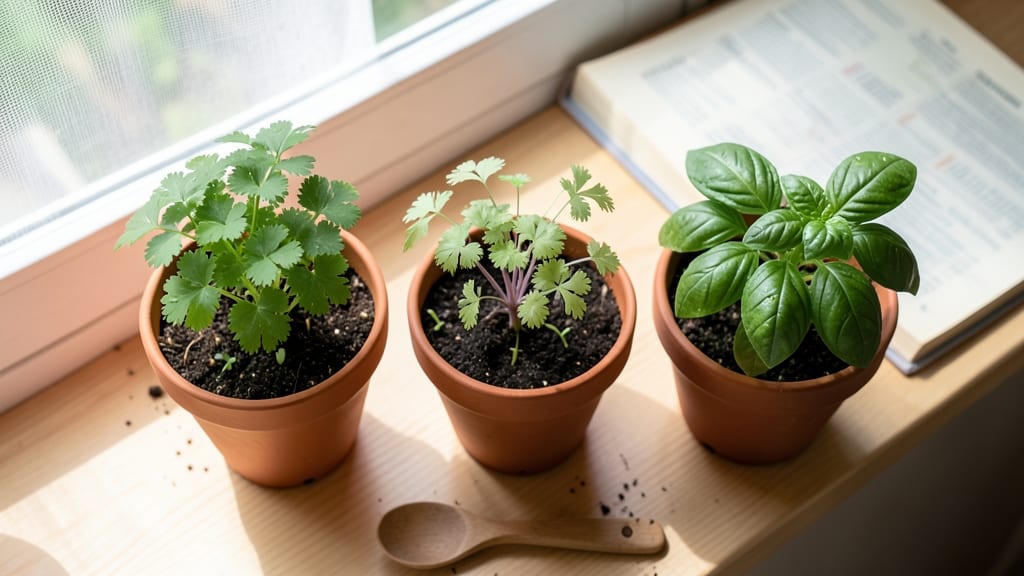
Skip the grocery store and grow your own fresh parsley, cilantro, and basil right on your kitchen windowsill. These three herbs thrive indoors, offering a steady supply of flavorful leaves just steps from your cooking space—no garden required!
Sow seeds 4-6 weeks before your last frost date to ensure strong seedlings ready for transplanting outdoors. Use well-draining potting mix and keep soil consistently moist (but not soggy). Place pots in bright, indirect light or under a grow light for 12-14 hours daily. Harvest leaves regularly to encourage bushier growth—basil loves pinching flowers for even more foliage.
Perfect for urban gardeners, apartment dwellers, or anyone who wants to cut costs and boost flavor. With minimal space and effort, you’ll enjoy homegrown herbs year-round. 🌱
Eggplant Seeds for Warm-Season Plants
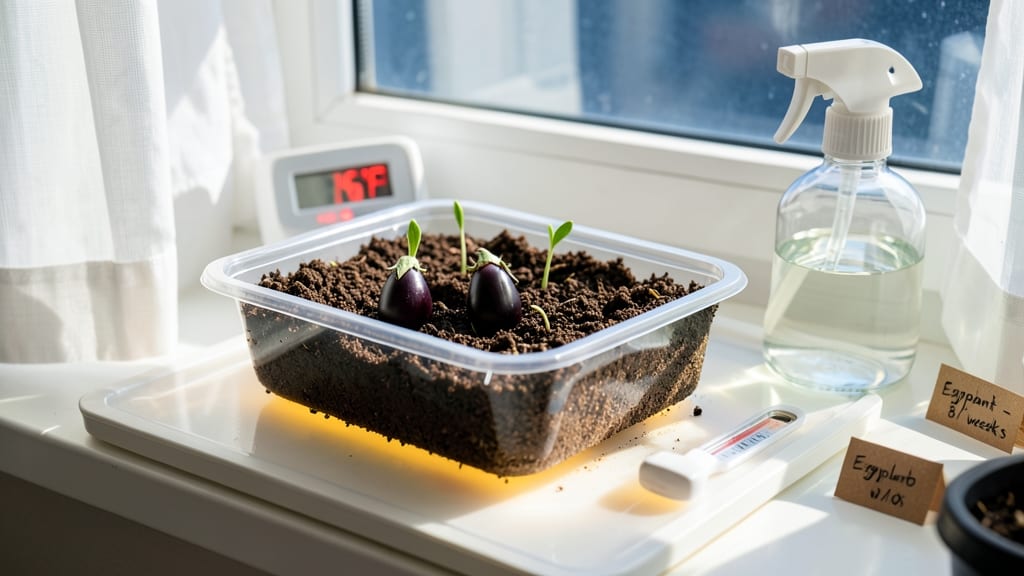
If you love eggplants but live in a cooler climate, starting seeds indoors in February is your secret weapon. Black Beauty and other varieties need 8-10 weeks of warmth before transplanting, giving you a head start on the growing season.
Use a seed-starting mix and keep temperatures above 75°F for optimal germination. Once sprouted, provide 14-16 hours of light daily with grow lights to prevent leggy seedlings. Transplant after the last frost when soil reaches 60°F—your plants will reward you with large, glossy fruits by summer.
This method is ideal for gardeners in USDA Zones 3-6, where shorter seasons limit outdoor planting. With this early start, you’ll enjoy homegrown eggplants even in cooler regions. 🌱
Cucumbers for Trellis-Grown Varieties
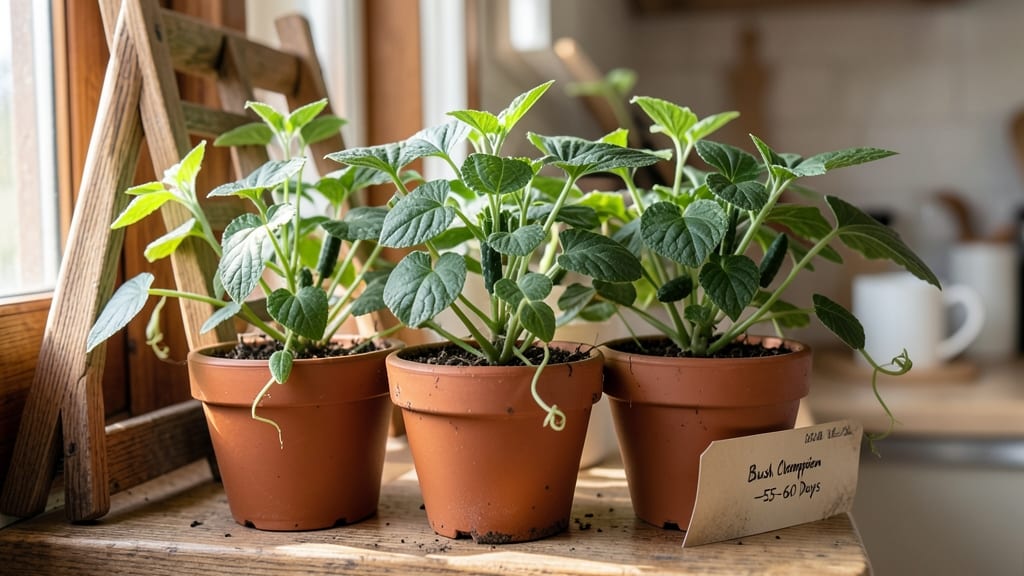
If you're dreaming of crisp, homegrown cucumbers but struggle with sprawling vines, bush cucumbers like 'Bush Champion' are your perfect solution. These compact varieties mature in just 55-60 days, making them ideal for containers or small spaces while still thriving on trellises.
Start seeds indoors 4-5 weeks before your last frost date to give vines a head start. Use biodegradable pots to avoid transplant shock, and provide support structures (like cages or stakes) early to encourage upward growth. Bush varieties produce smaller fruits but deliver higher yields per plant compared to sprawling types.
This approach is perfect for urban gardeners or those with limited space—no more cucumber chaos! With proper trellising, you'll save space and reduce disease risk from soil-borne pathogens. 🌱
Radish Seeds for Quick Harvests
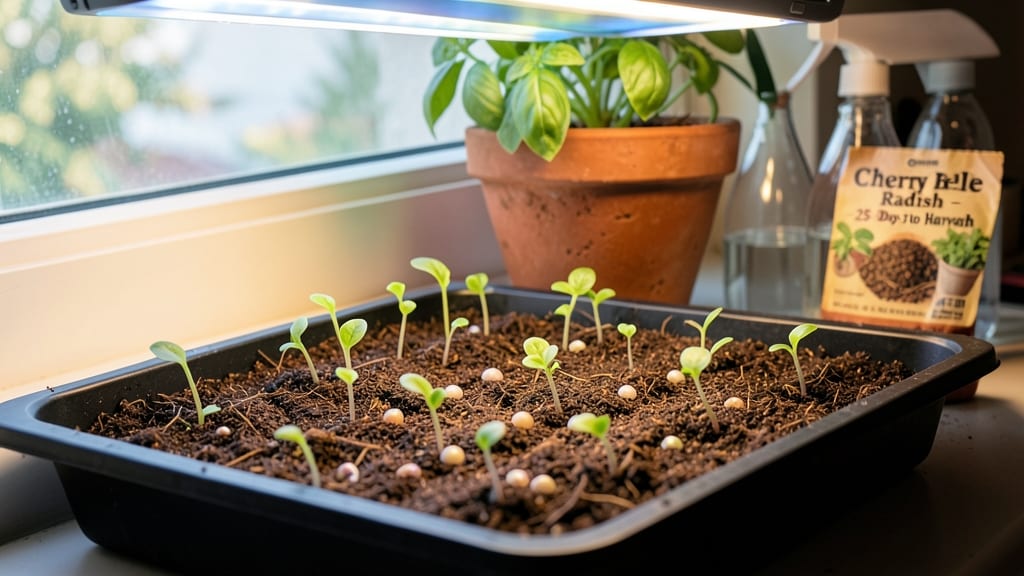
If you crave instant gratification in the garden, Cherry Belle radishes are your secret weapon. These fast-growing varieties sprout in just 3-4 days and mature in a mere 25-30 days, making them the perfect early-season crop for impatient gardeners.
Start seeds indoors in February under grow lights, then transplant seedlings directly into the garden when soil temperatures reach 40°F or warmer. The bonus? You can harvest these crisp, sweet radishes before transplanting if needed—just snip the tops and leave the roots in the soil to regrow for a second harvest. They thrive in cooler weather, making them ideal for early spring or fall planting.
Radishes are also a great way to teach kids (or beginners) about gardening—quick results keep motivation high! Plus, their shallow roots make them perfect for containers or small spaces. 🌱
Flower Seeds for Pollinators

Ready to turn your garden into a buzzing hub of activity? Planting marigolds, zinnias, and nasturtiums indoors in February ensures vibrant blooms just as your vegetable plants need pollinators most. These cheerful flowers don’t just brighten your space—they create a thriving ecosystem that boosts your harvest.
Sow seeds in well-draining soil under grow lights or a sunny windowsill, keeping temperatures between 65-75°F for consistent germination. Once established, these flowers attract bees, butterflies, and beneficial insects, which will visit your vegetable beds as soon as they emerge. Nasturtiums even repel pests like aphids, giving your veggies extra protection.
Perfect for beginners or eco-conscious gardeners, these pollinator magnets require minimal effort but deliver maximum impact. Start them early, and you’ll enjoy a garden teeming with life by planting season. 🌻