
Planting
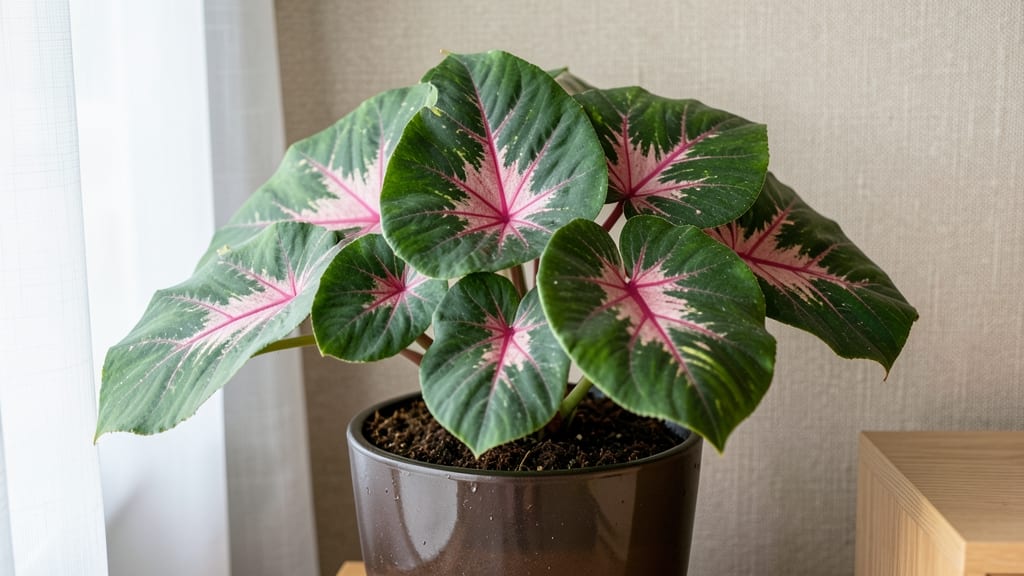
Growing bullseye toothache plant (Euphorbia lathyrus) is like adding a striking variegated sculpture to your shade garden—its bold silver-and-green foliage demands attention without needing full sun. 🌿 This historic medicinal plant thrives where others struggle, making it perfect for tricky spots under trees or along north-facing walls.
The secret to success starts with well-draining soil—think sandy loam mixed with perlite—and occasional watering (let the top inch dry between drinks). Overwatering is the #1 killer, so if your garden stays damp, plant it in a raised bed or container with drainage holes.
Propagation from stem cuttings in spring is foolproof, and the plants reward patience with year-round interest and minimal fuss.
What sets this plant apart is its distinctive bullseye pattern, which helps distinguish it from similar euphorbias like Euphorbia characias.
Historically used for toothaches (hence the name), its milky sap contains compounds that were once believed to soothe pain—though modern gardeners grow it more for its dramatic foliage than medicinal properties.
Common challenges? Watch for aphids on new growth and avoid over-fertilizing (it prefers lean soil). With the right spot, this plant becomes a low-maintenance star that brightens shady corners while requiring almost no attention. Ready to try it?
📚 In This Guide
- What you need
- Instructions
- Tips and common mistakes
- Wrapping up and next steps
What you need
- ● Bullseye toothache plant: 1–3 mature plants (from a nursery or trusted online seller) or
- ● 5–10 healthy tubers or rhizomes (for propagation)
- ● Containers (if not planting directly in the ground): 1–3 10–12-inch diameter pots with drainage holes
- ● High-quality potting mix: 3–5 gallons (moisture-retentive, well-draining blend for tropical plants)
- ● Garden soil amendments (for in-ground planting): 2–3 cups peat moss or coconut coir (per plant)
- ● 1–2 cups perlite or orchid bark (for aeration)
- ● 1 handful slow-release fertilizer (balanced 10-10-10 or organic option)
- ● Basic gardening tools: 1 trowel or small shovel (for planting)
- ● 1 pruning shears (sterilized, for cuttings)
- ● 1 spray bottle (for misting new cuttings)
- ○ Optional (but helpful) extras: 1 humidity dome or plastic wrap (to retain moisture for cuttings)
- ● 1 moisture meter (to monitor soil dampness)
- ● 1 mulch (e.g., shredded bark) (to retain soil moisture)
- ● A shady to partially shady spot (dappled sunlight or <6 hours of direct sun daily)
- ● Well-draining soil with high humidity (ideal for tropical plants!)
- ● Consistent warmth (65–80°F)—this plant hates cold drafts!
Step-by-Step guide to growing bullseye toothache plant
This striking variegated foliage thrives in shade—here’s how to coax its bold patterns into your garden.
🌱 Step 1: Select the Right Location and Soil
The bullseye toothache plant (Dichondra argentea) loves partial to full shade, making it perfect for under trees or north-facing spots. Choose a site with dappled sunlight—direct afternoon sun can scorch its delicate variegation. I always test the area first by placing a white sheet where the plant will go; if it stays cool to the touch, it’s ideal.
This plant prefers well-draining, slightly acidic soil with a pH between 5.5 and 6.5. Amend heavy clay soil with 2-3 inches of organic matter (like compost or peat moss) to improve aeration. A quick soil test kit helps confirm pH—if it’s too alkaline, add sulfur or pine needles to lower it gradually. The roots are shallow, so focus on enriching the top 6 inches of soil.
🪴 Step 2: Plant at the Correct Depth and Spacing
For 4 plants, dig holes twice as wide as the root ball but only as deep as the container’s base. This prevents burying the stem, which can cause rot. Gently loosen the roots if they’re circling the pot—just tease them apart with your fingers. I like to add a handful of slow-release fertilizer to each hole to give the plant a nutrient boost without overdoing it.
Space plants 12-18 inches apart to allow their trailing stems to spread naturally. If you’re planting in containers, use 5-gallon pots with drainage holes—this plant hates soggy roots. After planting, water deeply until moisture reaches 4 inches down, then let the top inch dry out before watering again. This establishes strong root growth without drowning the plant.
☀️ Step 3: Maintain Moisture and Humidity
The bullseye toothache plant thrives in consistent moisture but despises soggy conditions. Water every 2-3 days in summer, checking the soil with your finger—if the top 1 inch feels dry, it’s time. In winter, reduce watering to once a week, as growth slows. A mulch layer of 2 inches (like shredded bark) retains moisture and keeps roots cool.
This plant also loves humidity, so if your climate is dry, mist the leaves daily in summer or place a tray of water near the plants. You’ll notice the variegation stays vibrant when humidity is high—dull, yellowing leaves signal low moisture. Avoid overhead watering, as wet foliage encourages fungal issues. Instead, water at the base and let excess drain away.
✂️ Step 4: Prune and Encourage Full Growth
Pinch back the tips of new growth when stems reach 6 inches to encourage bushier, fuller plants. This is especially important in the first 4-6 weeks after planting. Use clean, sharp scissors to avoid crushing stems—always cut just above a leaf node. Regular pruning also prevents leggy growth, which happens when the plant stretches for light.
In late winter or early spring, trim back any dead or yellowing leaves to make room for fresh growth. The bullseye toothache plant is a perennial in zones 9-11, so it’ll reward you with bold foliage year after year if you keep it healthy. If you’re in a colder zone, treat it as an annual or overwinter it indoors near a bright window.
🌿 Step 5: Fertilize for Vibrant Variegation
Feed your plants every 6 weeks during the growing season with a balanced, water-soluble fertilizer (like 10-10-10) diluted to half strength. This ensures the variegation stays sharp and the leaves remain lush. I avoid high-nitrogen fertilizers, as they can make the foliage grow too fast and lose its striking pattern. A slow-release granular fertilizer sprinkled around the base in spring also works well.
Watch for signs of nutrient deficiency—pale yellow leaves mean it’s time to fertilize again, while brown edges signal over-fertilization. Always water the soil thoroughly after applying fertilizer to prevent root burn. In fall, reduce feeding entirely to let the plant prepare for dormancy. The key is consistency: too much or too little disrupts that gorgeous bullseye pattern.
Tips & tricks for growing stunning bullseye toothache plants
Here's what nobody tells you about keeping these showstopping plants thriving for years to come.
Light Testing Trick: Before planting, I swear by the white sheet test in Step 1. Place it where your plants will go for an hour during peak afternoon sun—if it stays cool, you've found the perfect spot. This simple check prevents the variegation from fading or scorching, which happens when plants get even brief exposure to hot midday rays. The bullseye pattern relies on delicate color contrasts that need consistent shade.
Soil Science: That 5.5-6.5 pH range in Step 1 isn't just arbitrary—it's where the plant's iron uptake is optimal for those vibrant patterns. If your soil test shows higher pH, don't just add sulfur all at once. Mix it into the top 6 inches gradually over 2-3 weeks to avoid shocking the roots. I've seen plants with dull patterns because the soil was too alkaline, and adjusting it made all the difference in bringing back that striking contrast.
Container Hack: When planting in 5-gallon pots, I always add a layer of perlite or pumice to the bottom before the soil mix. This creates extra drainage space that prevents soggy roots, which this plant absolutely hates. The roots are shallow but sensitive to waterlogging—this simple layer acts like insurance against root rot while still allowing the plant to trail beautifully over container edges.
Pruning Precision: That 6-inch mark in Step 4 is your cue to pinch, but here's the secret: use your thumb and forefinger to gently squeeze the stem just above a leaf node rather than cutting. This creates less stress on the plant and encourages more vigorous branching. I've found that plants pinched this way develop fuller growth in just 2-3 weeks compared to those that get cut with scissors.
Pro Tips for Bullseye Toothache Plant
- Here's what nobody tells you about keeping these showstopping plants thriving for years to come.
- Light Testing Trick: Before planting, I swear by the white sheet test in Step 1.
- Soil Science: That 5.5-6.5 pH range in Step 1 isn't just arbitrary—it's where the plant's iron uptake is optimal for those vibrant patterns.
Frequently asked questions
How fast does the Bullseye Toothache Plant grow?
The Bullseye Toothache Plant (Alocasia 'Bullseye') grows at a moderate pace. Under ideal conditions (bright, indirect light and well-draining soil), it can reach 12–18 inches tall in 1–2 years. Growth slows in winter or low-light conditions. Patience is key—this plant thrives with time, not rush!
Is the Bullseye Toothache Plant toxic to pets?
Yes, it’s toxic to cats and dogs
if ingested. The plant contains calcium oxalate crystals, which can cause oral irritation, drooling, vomiting, or difficulty swallowing in pets. Keep it out of reach of curious paws! If your pet shows symptoms, contact your vet immediately.
How often should I water this plant?
Water when the top 1–2 inches of soil feel dry—typically every 1–2 weeks, depending on humidity and light. Overwatering is the #1 killer! Use a pot with drainage holes and avoid soggy soil. Pro tip: Stick your finger in the soil to check moisture—don’t guess!
Can I grow this plant in full sun?
No, it prefers shade to partial shade
. Direct sun can scorch its delicate leaves or cause variegation to fade. Aim for bright, indirect light (e.g., east-facing windows or dappled sunlight outdoors). If leaves turn yellow or crispy, it’s getting too much sun!
What if my Bullseye Toothache Plant’s leaves turn brown?
Brown leaves usually mean underwatering, overwatering, or low humidity. Check the soil moisture and adjust your watering routine. Boost humidity by misting leaves or placing the pot on a pebble tray. If the edges are brown and crispy, it’s likely too dry; if mushy, it’s overwatered. Trim damaged leaves to encourage new growth!
Wrapping up and next steps
The Bullseye Toothache Plant (🌿Alocasia polly) is a stunning, low-maintenance gem for shade gardens, offering bold variegated foliage that brightens up any corner.
Whether you're a seasoned plant parent or just starting your gardening journey, its adaptability and striking appearance make it a fantastic choice for adding drama to your space.
Ready to bring this eye-catching plant into your home or garden? Start by gathering your supplies—potting mix, a container or garden spot, and a little patience—and give it the care it deserves. With the right conditions, you’ll soon be rewarded with lush, vibrant foliage that turns heads! 🌱✨