
Planting
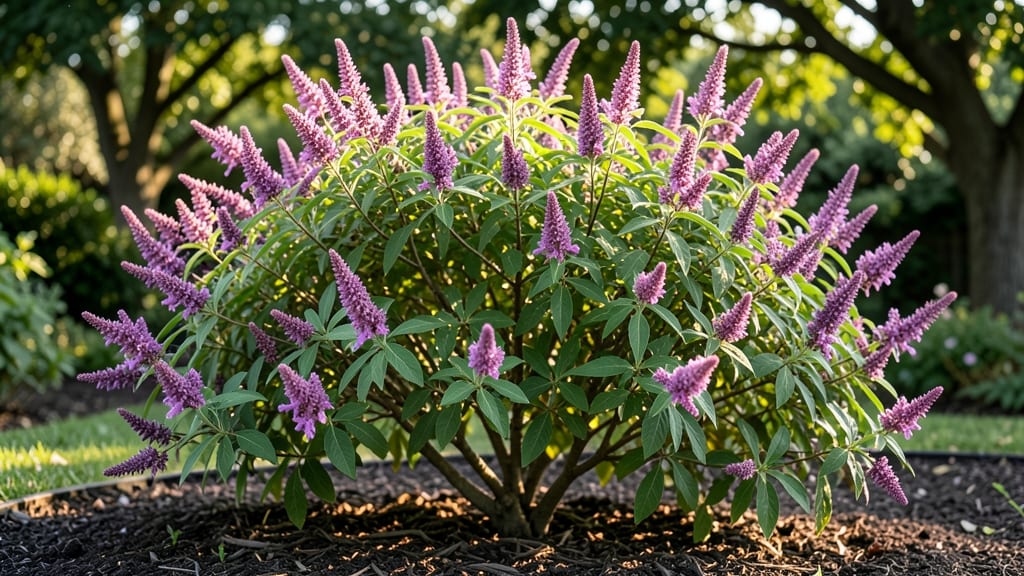
Growing a butterfly winged plant (Asclepias tuberosa) means instant pollinator traffic. 🌿 This heat-loving vine thrives with almost no fuss—once established, it handles drought, poor soil, and even neglect while still attracting monarchs and swallowtails like crazy.
The secret lies in its sunlight demands (full sun only) and dry soil tolerance—overwatering is the #1 way to kill it. Plant in well-draining soil during spring or early fall, and watch it spread with minimal care.
It blooms in late summer with bright orange clusters that butterflies can’t resist. By mid-summer, your vine will be bursting with blooms and covered in caterpillars (which means healthy monarchs next year). The foliage stays lush even in heatwaves, and it self-seeds happily if you let it.
Perfect for borders, wildflower meadows, or even containers—just give it space to sprawl. Here’s how to keep it thriving all season long.
📚 In This Guide
- What you need
- Instructions
- Tips and common mistakes
- Wrapping up and next steps
What you need
- ● Plant source: 1–3 butterfly winged plant cuttings (4–6 inches long, with nodes)
- ● OR 1–2 young potted plants (3–6 inches tall)
- ● OR Seeds (if starting from scratch—germination can be slow!)
- ● Soil: 1–2 bags of well-draining potting mix (or garden soil amended with 50% perlite or sand for aeration)
- ● Container or garden bed: Containers: 1–2 5–7 gallon pots with drainage holes (terracotta or fabric grow bags work best)
- ● Garden beds: Full sun to partial shade (6+ hours of light), with loamy, slightly acidic soil (pH 5.5–6.5)
- ● Fertilizer: Balanced, slow-release granular fertilizer (10-10-10 or 20-20-20, 1 tbsp per plant at planting)
- ● Pruning shears (for trimming cuttings or shaping plants)
- ● Gloves (to protect hands from thorns or soil)
- ● Mulch (2–3 inches of pine bark or shredded leaves to retain moisture)
- ● Watering can or hose with a gentle spray nozzle
- ○ Trellis or support structure (optional but highly recommended—vines can grow 10–20 feet!)
- ○ Rooting hormone (optional, for cuttings—speeds up growth by 30–50%)
Step-by-Step instructions for cultivating butterfly winged plant vines
This heat-loving beauty thrives with just a few key conditions—let's get those vines climbing.
🌱 Step 1: Select the Perfect Sunny Location
Butterfly winged plants (Schleranium spp.) demand full sun exposure—at least 6-8 hours of direct sunlight daily. I always scout the sunniest spot in my garden first, checking for 6+ hours of unfiltered light between 10 AM and 4 PM. South- or west-facing walls or fences work best, as they capture the afternoon heat without afternoon shade interference.
If your garden lacks full sun, consider a large container that you can move throughout the day. Watch for leaf color: vibrant green leaves mean sufficient light, while pale or yellowing leaves signal insufficient sun. This plant won’t tolerate shade—it’s a sun-worshipper through and through.
🪴 Step 2: Prepare Well-Draining Soil and Planting Site
These vines despise soggy roots, so amend your garden soil with 30-40% coarse sand or perlite to improve drainage. I mix in a handful of compost for nutrients, but avoid heavy, clay-rich soil that holds moisture too long. For containers, use a cactus or succulent mix—it’s the perfect lightweight medium.
Dig a hole twice as wide as the root ball but only as deep. Position the plant so the top of the root ball sits ½ inch below soil level—this prevents rot while allowing the vine to spread. Water deeply immediately after planting, then let the soil dry slightly before watering again. Overwatering at this stage is the fastest way to kill your plant.
☀️ Step 3: Provide Support and Prune for Bushier Growth
Butterfly winged plants need vertical support to climb—install a 5-6 foot trellis or sturdy fence near your planting site. I use a simple wooden lattice or metal grid, securing it firmly so it doesn’t bend under the vine’s weight. The plant will latch onto the structure with tiny aerial roots as it grows.
Pinch back the tips of new growth when vines reach 12-18 inches tall to encourage bushier, more compact growth. This isn’t optional—without pruning, you’ll end up with one long, leggy vine instead of a lush, flowering cascade. Watch for new side shoots to form after pinching; these will become your plant’s main flowering stems.
💧 Step 4: Water Deeply and Infrequently
Once established, butterfly winged plants are drought-tolerant, but they need deep, infrequent watering to thrive. Water when the top 2-3 inches of soil feel completely dry—stick your finger in the soil to check. A thorough soaking once a week is better than light daily watering, which encourages weak roots.
In containers, water until it runs freely from the drainage holes—this ensures the entire root ball gets hydrated. Mulch around the base with 1-2 inches of gravel or bark to retain moisture and keep roots cool. During extreme heat waves, you may need to water twice weekly, but always let the soil dry between waterings to prevent root rot.
✂️ Step 5: Deadhead and Maintain Through the Season
Regular deadheading—removing spent flowers—extends the blooming season and keeps the plant looking tidy. I snip off faded blooms just above the next set of leaves using clean pruners. This redirects the plant’s energy into producing more flowers instead of seed pods. Watch for new flower buds forming within 2-3 weeks of deadheading.
Fertilize lightly once a month during the growing season with a balanced 10-10-10 fertilizer, but avoid heavy feeding—this plant prefers lean conditions. In late fall, cut back the vines by ⅓ to prepare for winter dormancy. This rejuvenates the plant and promotes fresh growth in spring.
Tips & tricks for perfect butterfly winged plant care
These simple yet game-changing insights will help your butterfly winged vine thrive with minimal fuss.
Sunlight Strategy: The 6-8 hours of direct sunlight mentioned in Step 1 is non-negotiable, but here's the secret: morning sun (before 12 PM) is gentler than afternoon heat. Position your plant to capture those morning rays first, then shift it slightly if needed to avoid leaf scorch. I've seen plants struggle in full afternoon sun even when they get enough total hours—watch for crispy leaf edges as a warning sign.
Soil Science: When amending soil with 30-40% coarse sand or perlite in Step 2, don't skimp on the sand—this is where most beginners go wrong. I've seen plants fail spectacularly in soil that looked "light enough" but still held too much moisture. Test your mix by squeezing a handful: it should crumble easily, not hold its shape. For containers, consider adding a handful of pumice stones—they improve drainage even more than perlite.
Pruning Precision: The 12-18 inch pinch point in Step 3 is your magic number for bushier growth, but timing matters just as much. Wait until you see at least 4-5 leaf sets on the main stem before pinching. This ensures you're not just encouraging more leaves but actually promoting stronger side shoots. I make this mistake every year—patience pays off with thicker, more productive vines.
Watering Wisdom: That 2-3 inch soil dryness test in Step 4 works perfectly, but here's what nobody tells you: the time of day matters. Water in the early morning so the foliage has all day to dry, preventing fungal issues. I've had to rescue plants that developed powdery mildew from evening watering—trust me, you don't want that fight. For containers, I use a moisture meter instead of guessing, especially during heat waves.
Pro Tips for Butterfly Winged Plant
- These simple yet game-changing insights will help your butterfly winged vine thrive with minimal fuss.
- Sunlight Strategy: The 6-8 hours of direct sunlight mentioned in Step 1 is non-negotiable, but here's the secret: morning sun (before 12 PM) is gentler than afternoon heat.
- Soil Science: When amending soil with 30-40% coarse sand or perlite in Step 2, don't skimp on the sand—this is where most beginners go wrong.
Frequently asked questions
Got questions about growing your butterfly winged plant (also called Schlerocactus wrightii or Bat Wings Cactus)? You’re in the right place! Here are answers to the most common queries—from care tips to troubleshooting—so your heat-loving vine thrives with ease.
What’s the best temperature range for a butterfly winged plant?
The bat wings cactus loves heat! Aim for 70–95°F (21–35°C) during the day and 50–60°F (10–15°C) at night. Avoid frost—it’s not cold-hardy. If temps drop below 40°F (4°C), move it indoors or provide shade. Pro tip: A sunny windowsill or greenhouse keeps it happy year-round!
How often should I water my butterfly winged plant?
Water sparingly—only when the soil is completely dry (every 2–4 weeks in summer, less in winter). Overwatering causes root rot, so drainage is key! Use a pot with holes and well-draining cactus soil. Stick your finger 2 inches deep—if it’s dry, it’s time to hydrate. Pro tip: Bottom-watering (placing the pot in a tray of water for 10 mins) prevents soggy soil.
Can I grow a butterfly winged plant indoors?
Place it near a south- or west-facing window for 6+ hours of sunlight daily. If natural light is lacking, supplement with a grow light (LED or fluorescent). Avoid drafts (like AC vents) and keep humidity moderate. A terracotta pot helps prevent overwatering. Pro tip: Rotate the pot weekly for even growth—indoor plants can get leggy!
Why are my butterfly winged plant’s leaves turning yellow or mushy?
Yellowing or mushy leaves usually mean overwatering or poor drainage. Let the soil dry out completely between waterings, and ensure your pot has drainage holes. If the roots smell rotten, trim the affected parts with sterile scissors and repot in fresh, dry soil. Prevention tip: Use a 50/50 cactus-soil mix with perlite or pumice to improve aeration.
What are some low-maintenance alternatives to butterfly winged plants?
If you want heat-loving, drought-tolerant vines with minimal fuss, try:
- String of Pearls (Senecio rowleyanus) – Trailing, succulent, and thrives in bright light.
- Burro’s Tail (Sedum morganianum) – Similar care needs, with stunning cascading stems.
- Haworthia (Haworthia spp.) – Small, hardy succulents for indoor growers.
- Zebra Plant (Haworthiopsis attenuata) – Stripes add visual interest with zero drama.
Wrapping up and next steps
The butterfly-winged plant is a stunning, low-maintenance vine that brings vibrant color and tropical charm to any space—and you’ve got all the tools to make it thrive! 🌿 Whether you’re a seasoned gardener or just starting, its heat-loving nature and minimal care requirements make it the perfect addition to your garden.
Ready to watch it flourish? Grab your supplies, follow the steps, and enjoy the beauty of this easygoing plant!
💡 Next step: Start with a sunny spot, well-draining soil, and a little patience—your butterfly-winged plant will reward you with breathtaking blooms in no time!