
Planting
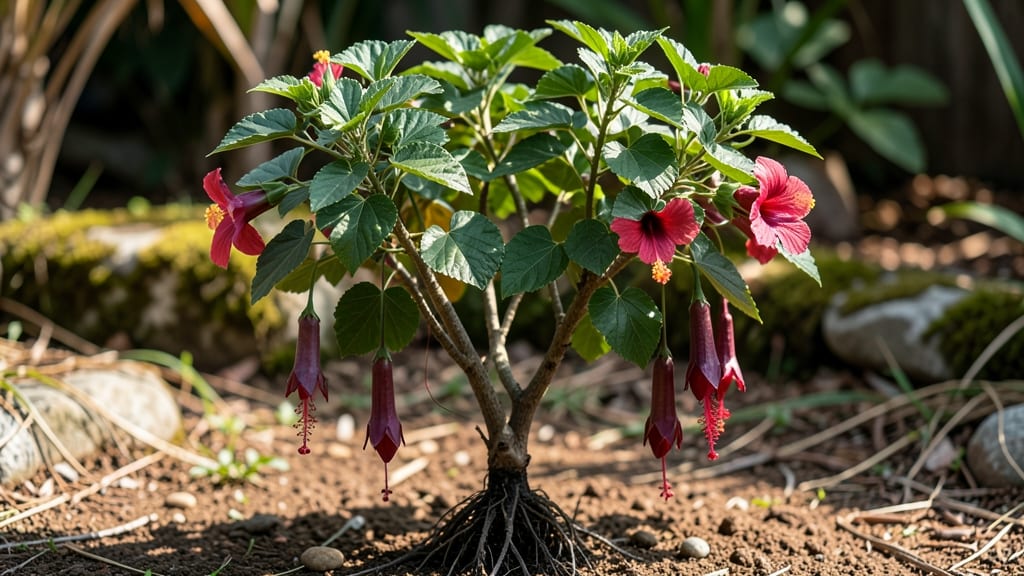
Growing roselle plants transforms any sunny spot into a vibrant tropical showstopper with edible drama. 🌿 The secret lies in mimicking their natural habitat—warmth, moisture, and containers that let those striking red calyces shine.
My first batch took off after I realized they hate soggy soil and need full sun (or at least 6+ hours daily). Start with seeds or young plants in well-draining soil mixed with compost—roselle roots despise waterlogged conditions.
A 5-gallon container works perfectly for one plant, and they’ll reward you with bold, lobed leaves and those iconic red flower buds by mid-summer. The key is consistent moisture without drowning them; let the top inch dry between waterings.
By late summer, you’ll harvest the calyces (the red parts) for tea, soups, or stews—packed with vitamin C and a tart kick. Prune leggy growth to encourage bushier plants, and watch them rebound faster than most tropicals.
Even in cooler zones, overwintering indoors keeps them alive for another harvest season. Troubleshooting? Yellow leaves mean overwatering; brown edges mean too much sun. With the right care, these plants thrive in containers, hanging baskets, or even as ground covers in warm climates. Ready to grow your own?"
📚 In This Guide
- What you need
- Instructions
- Tips and common mistakes
- Wrapping up and next steps
What you need
- ● Roselle seeds or cuttings: 3–5 seeds (or 1–2 healthy cuttings for faster growth). Choose organic seeds if possible!
- ● Well-draining potting mix: 10–15 lbs (for containers) or enrich your garden soil with compost. Pro tip: Mix in perlite or sand for aeration! 💡
- ○ Containers (optional but ideal): 5–10 gallon pots (1–2 per plant) with drainage holes.
- ● Fabric grow bags (for better root airflow) or wooden barrels (for a rustic look!).
- ● Slow-release fertilizer: 1–2 cups of organic fertilizer (like 5-5-5 or compost tea) per plant.
- ● Mulch: Straw or shredded leaves (2–3 inches thick) to retain moisture.
- ● Gloves (to protect your hands from prickly stems).
- ● Trowel or small shovel (for planting seeds/cuttings).
- ● Watering can or hose with a gentle spray nozzle (roselle hates soggy roots!).
- ● Pruning shears (to trim dead leaves or encourage bushier growth).
- ○ pH test kit (optional): Aim for 6.0–6.5 (roselle loves slightly acidic soil!).
- ● Full sun (6–8+ hours daily): Roselle is a sun-worshipper—place it where it gets plenty of light!
- ● Warmth: Ideal temps: 70–85°F (21–29°C). Avoid frost—roselle is a tropical diva! ❄️❌
- ● Humidity: Thrives in 60%+ humidity. Mist leaves or use a pebble tray if your air is dry.
- ● Patience: Germination takes 10–20 days, and flowers appear in 4–6 months!
Step-by-step instructions for growing roselle plants in containers
Here’s how I grow vibrant roselle vines—tropical, fast-growing, and perfect for containers.
🌱 Step 1: Select the Right Container and Soil Mix
Choose a 5-gallon or larger container with drainage holes—roselle vines spread aggressively and need room to grow. I use well-draining potting mix blended with 20% perlite to prevent soggy roots, which roselle hates. The mix should feel light and airy, like crumbled cake.
Fill the container 2/3 full with the mix, then tap it gently to settle. Leave 2-3 inches of space at the top for watering—roselle’s deep roots need room to expand. If your container lacks drainage, add a 2-inch layer of gravel at the bottom first.
☀️ Step 2: Plant Seeds or Transplants at the Right Time
Roselle thrives in warmth, so wait until after the last frost when soil temps reach at least 65°F. If starting from seed, plant 1/4 inch deep, spacing seeds 12 inches apart—crowding weakens vines. For transplants, bury them to the same depth as their nursery pot.
I always plant two seeds per container (just in case) and thin to the strongest sprout. Water gently after planting—not too much, or seeds will wash away. Keep the soil evenly moist (not soggy) until germination, which takes 7-14 days in warm conditions.
💧 Step 3: Provide Warmth, Sun, and Consistent Water
Roselle loves full sun (6+ hours daily)—place your container in the brightest spot you have. If outdoors, move it indoors overnight if temps drop below 55°F. Indoors, supplement with a grow light 12-14 hours a day to prevent leggy growth.
Water deeply when the top inch of soil feels dry—roselle’s tropical roots need 1-2 inches of water per week, more in heat. Let excess water drain completely; yellowing leaves mean overwatering, while crispy edges signal underwatering. Mulch the soil surface with straw or shredded leaves to retain moisture.
✂️ Step 4: Prune and Support for Bushier Growth
Pinch back the top set of leaves when the plant reaches 12 inches tall to encourage bushier growth. I also tie the main stem to a trellis or stake as it grows—roselle vines can reach 10+ feet if unsupported. Prune yellow or damaged leaves regularly to keep energy focused on new growth.
Harvest flower buds when they’re 1-2 inches long for the best flavor. Cut just above a leaf node to encourage branching. If you miss the buds, the hibiscus-like flowers are edible too—just pick them before they fully open.
🌿 Step 5: Overwinter or Extend the Season
Roselle is tender perennially in most climates, so bring containers indoors before frost. Place them in a sunny window or under grow lights, and reduce watering to every 10-14 days. Prune back 1/3 of the plant to manage size.
If you’re in a warm winter zone, mulch heavily and protect from wind. In spring, fertilize lightly with balanced 10-10-10 when new growth appears. Repeat the process, and you’ll have bold, productive vines year after year.
Tips & tricks for thriving roselle plants in containers
Here's what I learned after growing roselle for years—these tricks make all the difference for bold, healthy vines.
Container Size Matters: That 5-gallon minimum is non-negotiable for roselle. I've seen vines burst through 3-gallon pots within weeks, leaving roots exposed. If using larger containers, space multiple plants 12 inches apart to prevent root competition. For extra insurance, add a 3-inch layer of compost at the bottom before your soil mix—roselle's deep roots will thank you with more vigorous growth.
Germination Secret: The 7-14 day germination window can feel like an eternity, but don't rush it! Place your container in a warm spot (like on top of your fridge) to speed things along—roselle seeds need consistent warmth around 75°F to sprout reliably. I've found that covering the container with plastic wrap creates a mini greenhouse effect, keeping moisture levels perfect without overwatering.
Sunlight Strategy: That 6+ hours of full sun is critical, but roselle can handle partial shade if it's the only option. What I've noticed is that morning sun (when UV rays are less intense) works better than harsh afternoon sun, especially in hot climates. If using grow lights, position them 12-18 inches above the plant to mimic natural sunlight distribution—closer than that can scorch tender new growth.
Winter Survival Hack: When bringing roselle indoors for winter, don't just plop it by the window. Move it to the sunniest spot (south-facing is ideal) and rotate the container weekly so all sides get equal light. This prevents that classic "leggy" indoor plant syndrome. I also reduce watering to every 10-14 days and increase humidity by placing the pot on a tray of pebbles with water—this mimics tropical conditions and keeps leaves lush.
Pro Tips for Roselle Plant Growing
- Here's what I learned after growing roselle for years—these tricks make all the difference for bold, healthy vines.
- Container Size Matters: That 5-gallon minimum is non-negotiable for roselle.
- Germination Secret: The 7-14 day germination window can feel like an eternity, but don't rush it!
Frequently asked questions
Got questions about growing roselle plants? You’re not alone! Here are some of the most common concerns—plus straightforward answers to help you cultivate this vibrant tropical vine with confidence.
How long does it take for roselle plants to grow from seed?
Roselle seeds typically sprout within 7–14 days under warm, moist conditions (70–85°F). Once germinated, expect 3–4 months to harvest the first flowers or calyces, depending on your climate. Patience pays off—these fast growers reward you with bold foliage and edible blooms!
Can roselle survive in cold climates, or do I need to grow it in containers?
Roselle is a tropical plant and thrives in USDA zones 9–11. In colder regions, grow it in containers (move indoors or to a greenhouse in winter) or treat it as an annual. If you’re in zone 8 or below, start seeds indoors in spring and transplant after the last frost.
How often should I water roselle plants, and do they need special care?
Roselle loves consistent moisture—water when the top 1–2 inches of soil feel dry. Avoid soggy roots, though! Mulch helps retain moisture, and fertilize lightly with a balanced 10-10-10 every 4–6 weeks. Prune leggy stems to encourage bushier growth and more calyces.
What pests or diseases should I watch for with roselle plants?
Common issues include aphids, spider mites, and whiteflies (spray with neem oil or insecticidal soap). Fungal diseases like powdery mildew can strike in humid conditions—ensure good airflow and avoid overhead watering. Yellowing leaves? Check for overwatering or nutrient deficiencies (add compost or iron supplements if needed).
Can I grow roselle from cuttings instead of seeds?
Take 4–6 inch cuttings from healthy stems, strip lower leaves, and dip in rooting hormone. Plant in moist perlite or sand, keep humid (use a plastic bag), and roots should form in 2–3 weeks**. This method speeds up growth and preserves your favorite roselle variety!
Wrapping up and next steps
Growing roselle plants is a rewarding journey that brings vibrant foliage and delicious hibiscus tea to your space—whether you're a seasoned gardener or just starting out! With the right containers, sunlight, and care, this tropical vine thrives effortlessly, even in small areas.
Now that you’re equipped with the essentials, it’s time to roll up your sleeves and get planting!
🌱 Next step: Pick your favorite spot, gather your supplies, and watch your roselle plant flourish into a stunning (and tasty!) addition to your garden. Happy growing! 🌿