
Planting
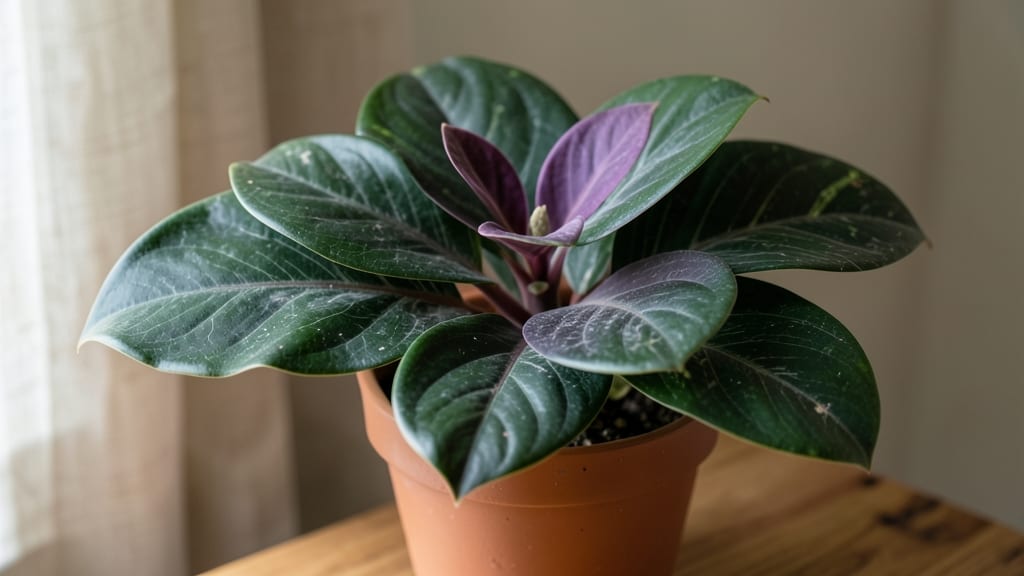
Growing a Calathea purple plant turns your home into a lush tropical escape—just mimic its jungle roots. 🌿 This stunning houseplant thrives in bright, indirect light and demands humidity levels that mimic its native rainforest.
The deep purple undersides of its leaves create a mesmerizing contrast with the green tops, making it a showstopper in any room. The trick to keeping it happy is consistent moisture—water when the top inch of soil feels dry, but never let it sit in soggy soil.
A peaty, well-draining mix with perlite keeps roots aerated, while a humidity tray or frequent misting prevents those dreaded brown leaf tips. Even pet owners can relax: this plant is non-toxic to cats and dogs, so it’s a safe choice for homes with furry friends.
With the right care, your Calathea will reward you with vibrant, velvety foliage that stays lush year-round. The key is patience—these plants grow slowly but steadily, and once established, they’re surprisingly resilient. A little attention to light and humidity goes a long way in keeping it thriving.
For beginners, start with a 6-inch pot and upgrade as it grows. Rotate the plant occasionally so all sides get even light, and avoid drafts or sudden temperature shifts. Master these basics, and you’ll have a stunning tropical centerpiece that’s easier to care for than you’d think.
📚 In This Guide
- What you need
- Instructions
- Tips and common mistakes
- Wrapping up and next steps
What you need
- ● Calathea Purple Plant: 1 healthy plant (check for vibrant purple leaves and no brown edges).
- ● Well-draining potting mix: 1 bag (1-2 gallons) of a blend designed for tropical plants (e.g., 50% peat moss, 30% perlite, and 20% orchid bark). Pro tip: Avoid heavy garden soil—it can suffocate roots! 💡
- ● Pot: 1 container with drainage holes (6-8 inches in diameter). Terracotta or ceramic works best.
- ● Distilled or filtered water: For watering (tap water can cause leaf burn due to chemicals).
- ● Spray bottle: 1 (for misting leaves 2-3 times daily).
- ○ Humidity tray: 1 (optional but recommended for dry climates).
- ○ Grow lights: 1 LED bulb (optional for low-light spaces).
- ● Fertilizer: 1 balanced liquid fertilizer (e.g., 10-10-10, diluted to half-strength).
- ● Location: Bright, indirect light (e.g., near an east-facing window). Avoid direct sunlight.
- ● Temperature: Keep between 65–80°F (18–27°C). No drafts or AC vents!
- ● Humidity: Aim for 50%+ (use a hygrometer to monitor).
Step-by-Step guide to growing a thriving calathea purple plant
This stunning foliage plant rewards patience with striking purple undersides—here’s how to keep it happy.
🪴 Step 1: Choose the Right Pot and Soil
Start with a 6-8 inch pot that has drainage holes—calatheas hate soggy roots. I like terracotta because it breathes and helps regulate moisture. Fill the bottom third with orchid bark or perlite for drainage, then add a high-moisture, well-aerated potting mix like a blend of peat moss, perlite, and coconut coir.
Tap the pot gently to settle the mix without compacting it. The soil should feel like a damp sponge—not wet enough to drip, but moist enough that it holds together when squeezed. This prevents root rot while keeping the plant hydrated. Avoid garden soil—it’s too dense and can suffocate delicate roots.
💧 Step 2: Plant and Water Gently
Remove the calathea from its nursery pot and loosen the roots if they’re circling. Place it in the center of your prepared pot, then fill around the base with more of the moist mix, pressing lightly to secure it. The top of the root ball should sit just below the pot’s rim—never bury the crown.
Water immediately after planting by pouring water until it drains from the bottom. Let the plant sit in 1 inch of standing water for 10 minutes to ensure the roots soak up moisture, then empty the saucer. Calatheas love humidity but despise waterlogged roots—this step mimics their natural rainforest environment.
☀️ Step 3: Position for Indirect Light and Humidity
Place your calathea in a spot with bright, indirect light—think east-facing windows or a few feet back from a south-facing one. Direct sun will scorch those gorgeous leaves, while too little light causes them to lose their vibrant purple undersides. You’ll know the light is right when new growth emerges with a healthy, glossy sheen.
Humidity is non-negotiable. Aim for 50-70% humidity by grouping plants together, using a pebble tray with water beneath the pot, or running a humidifier nearby. Misting helps, but it’s temporary—calatheas drink through their leaves, so frequent misting can actually stress the plant. Watch for curled leaves; that’s your cue to increase humidity immediately.
⏰ Step 4: Water and Care for Consistent Growth
Water when the top 1-2 inches of soil feel dry to the touch. Stick your finger in the soil—if it’s damp, wait another day. Calatheas store water in their leaves, so they prefer slightly dry soil over soggy conditions. When watering, pour until it drains from the bottom, then empty the saucer to prevent root rot. I water mine in the morning so the leaves dry by evening.
Rotate the pot a quarter turn weekly so the plant grows evenly toward the light. Dust the leaves gently with a damp cloth every few weeks—they’re tropical plants, and dust blocks their ability to absorb humidity. If you notice brown tips or crispy edges, it’s usually a sign of low humidity or fluoride in tap water. Switch to distilled or rainwater if needed.
🌿 Step 5: Fertilize and Prune for Long-Term Health
Feed your calathea every 4-6 weeks during spring and summer with a balanced, water-soluble fertilizer diluted to half strength. Over-fertilizing burns delicate roots, so always follow the package instructions. I skip fertilizing in fall and winter when growth slows naturally. Yellow leaves? That’s often a sign of over-fertilizing—flush the soil with water to cleanse the roots.
Prune leggy stems or yellowing leaves by cutting just above a leaf node with clean, sharp scissors. You can propagate these cuttings in water or fresh soil to grow new plants. Avoid pruning in winter when the plant is dormant—focus on keeping it healthy until spring growth resumes. With the right care, your calathea will reward you with bold, vibrant foliage for years.
Tips & tricks for perfect calathea purple plant care
These simple adjustments will help you avoid common pitfalls and keep your calathea thriving for years.
Soil Preparation Secret: When mixing your high-moisture potting blend in Step 1, add a handful of sphagnum moss to the peat moss-perlite-coir mix. This extra ingredient helps retain humidity longer between waterings while still allowing airflow. I find it makes a noticeable difference in preventing those dreaded brown leaf tips that come from inconsistent moisture.
Root Health Check: After planting in Step 2, gently press the soil around the roots to secure the plant without compacting. A little trick I learned is to tap the pot firmly on the countertop 3-4 times after filling—this helps settle the soil naturally while preventing air pockets that can trap moisture and cause rot. The 10-minute soaking is crucial, but don't let the plant sit in standing water longer than that.
Light Positioning Pro: In Step 3, if you notice your calathea's purple undersides fading, it's getting too much direct light. Move it back 1-2 feet from the window or use a sheer curtain to diffuse the light. I place mine about 3 feet from my east-facing window and rotate the pot weekly—this ensures even growth and prevents the plant from leaning toward the light source. The key is to mimic its natural dappled sunlight environment.
Humidity Hack: For the 50-70% humidity range mentioned in Step 3, I've found that placing the pot on a bed of pebbles with just enough water to touch the bottom (not submerge) creates a natural humidifier. Add 2-3 ice cubes to the water occasionally for an extra boost during dry winter months. This method is more effective than misting because it maintains consistent humidity without stressing the plant's leaves.
Pro Tips for Calathea Purple Plant
- These simple adjustments will help you avoid common pitfalls and keep your calathea thriving for years.
- Soil Preparation Secret: When mixing your high-moisture potting blend in Step 1, add a handful of sphagnum moss to the peat moss-perlite-coir mix.
- Root Health Check: After planting in Step 2, gently press the soil around the roots to secure the plant without compacting.
Frequently asked questions
How often should I water my Calathea Purple Plant?
Water your Calathea Purple Plant when the top 1–2 inches of soil feel dry to the touch. Typically, this means watering every 7–10 days, but adjust based on humidity and light. Overwatering is the #1 killer—always use a pot with drainage holes to prevent root rot.
Why are the leaves turning brown or crispy?
Brown edges or crispiness usually mean low humidity or fluoride-rich tap water. Boost humidity by placing the pot on a pebble tray with water or using a humidifier. For water, opt for filtered or distilled water to avoid chemical buildup. Pro tip: Mist leaves lightly in the morning to revive them!
Can Calathea Purple Plants handle direct sunlight?
Nope! These beauties thrive in bright, indirect light—think east-facing windows or a few feet from a west window. Direct sun will scorch those gorgeous purple leaves, while too little light causes dullness. Rotate the pot occasionally for even growth.
How do I propagate my Calathea Purple Plant?
Propagation is tricky but doable! Divide the plant during repotting by gently separating the rhizomes (underground stems). Ensure each section has roots and at least one healthy leaf. Plant in fresh, well-draining soil and keep humidity high. Patience is key—new growth may take 4–8 weeks!
What pests should I watch out for?
Keep an eye out for spider mites, mealybugs, or scale insects. Wipe leaves with a damp cloth to spot early signs (tiny webs, white cottony spots). Treat infestations with neem oil or insecticidal soap, and isolate the plant until pests are gone. Prevention? Regularly dust leaves and avoid overcrowding.
Wrapping up and next steps
The Calathea Purple Plant is a stunning addition to any indoor garden, thriving with its dramatic foliage when given the right care—think bright, indirect light, high humidity, and well-draining soil.
With patience and attention to its needs, you’ll be rewarded with a lush, vibrant plant that adds a touch of tropical elegance to your space.
Ready to watch it flourish? Take the next step by monitoring its environment closely and adjusting care as needed—your green thumb is about to shine! 🌿✨