
Planting
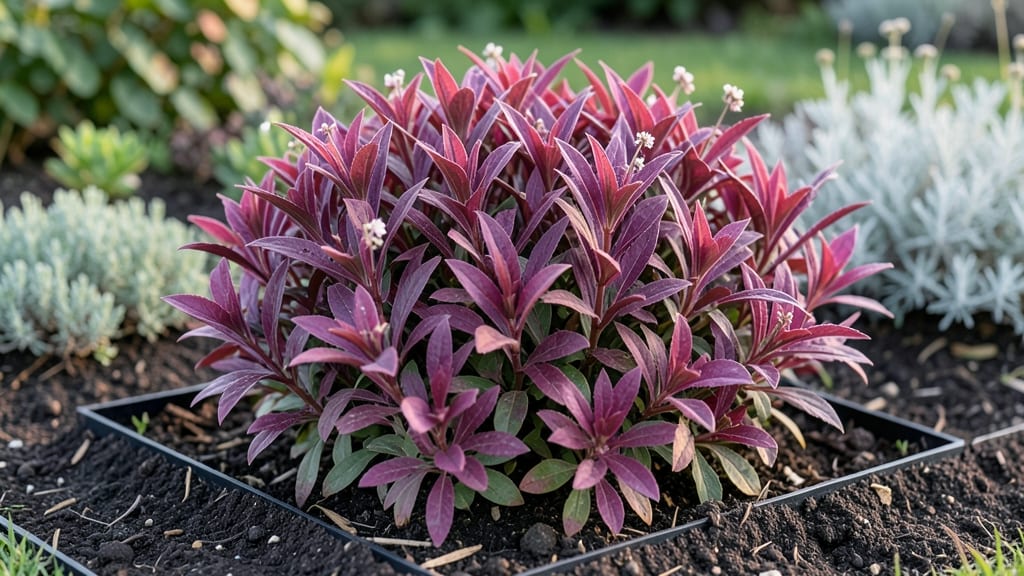
That Purple Flash Plant turns containers into living art with its electric purple foliage—no black thumb required. 💜 I’ve grown this striking plant in everything from hanging baskets to window boxes, and it never fails to bring color to shady spots where other plants struggle.
The secret to keeping those deep purple leaves vibrant starts with bright, indirect light—think east-facing windows or dappled shade outdoors. Well-draining potting mix prevents the roots from sitting in soggy soil, which is the #1 reason these plants lose their color.
A pinch of fertilizer every 4-6 weeks keeps the growth lush and the hues intense. Once established, Purple Flash Plant grows fast, filling containers with cascading stems in just a few months. The more you prune it back, the bushier it gets—snip leggy stems to encourage compact, colorful growth.
It’s the perfect plant for adding drama without drama. Works equally well indoors or out, in pots as small as 6 inches or large planters for a bold statement. The only mistake I’ve ever made? Overwatering.
Let the top inch of soil dry out between waterings, and you’ll have a plant that thrives all season long.
📚 In This Guide
- What you need
- Instructions
- Tips and common mistakes
- Wrapping up and next steps
What you need
- ● Purple Flash Plant: 1-3 healthy cuttings or a single nursery-grown plant (6-8 inches tall). Look for vibrant purple foliage and sturdy stems!
- ● Container: 1-2 well-draining pots (6-8 inches in diameter) with drainage holes. Terracotta or fabric pots are ideal!
- ● Potting Mix: 1 bag (5-10 quarts) of lightweight, well-draining mix, such as a blend of cactus/succulent soil + perlite (ratio: 60% soil, 40% perlite).
- ○ Slow-Release Fertilizer: 1 packet of balanced, water-soluble fertilizer (10-10-10 or 20-20-20 NPK ratio). Optional but recommended for a nutrient boost!
- ● Watering Can or Spray Bottle: 1 with a fine rose nozzle to avoid overwatering.
- ● Scissors or Pruning Shears: 1 pair (sterilized with rubbing alcohol) for trimming stems.
- ● Decorative Gravel or Pebbles: Small pebbles or hydroponic clay balls to top-dress the soil for aesthetics and moisture control.
- ● Plant Labels: 1-2 to keep track of your Purple Flash if you’re growing multiple varieties.
- ● Humidity Dome or Plastic Bag: 1 to create a mini greenhouse effect while rooting cuttings (remove once roots form!).
- ● Grow Lights: 1-2 LED grow lights (if growing indoors with <10 hours of sunlight/day).
- ● Mulch: Organic mulch (like coconut coir) to retain moisture and suppress weeds.
- ● A sunny spot with bright, indirect light (4-6 hours daily). South or west-facing windowsills are perfect!
- ● Access to room-temperature water (avoid tap water with high chlorine—let it sit for 24 hours if needed).
- ● Patience! This plant thrives with consistent care, not instant results. 😊
How to grow Purple Flash plant in containers
This striking foliage plant is a container gardener’s dream—here’s how to keep it thriving with vibrant purple leaves.
🪴 Step 1: Choose the Right Container and Drainage
Purple Flash Plant (Columnea gloriosa) loves containers with good drainage. Pick a pot with drainage holes—4-6 inches deep works best for one plant. I use terracotta because it breathes and helps prevent root rot, especially in humid conditions. If your pot lacks holes, drill a few near the bottom.
Place a layer of pebbles or broken pottery at the bottom before adding soil. This creates an air gap that prevents soggy roots, which Purple Flash Plant hates. The container should also have a saucer to catch excess water—just empty it after each watering.
🌱 Step 2: Use Well-Draining Soil and Plant Correctly
Fill the pot with a mix of 50% peat-based potting soil and 50% perlite or orchid bark for extra drainage. Purple Flash Plant roots need air, so avoid heavy garden soil. Moisten the mix lightly before planting—it should feel damp but not wet.
Gently remove the plant from its nursery pot and loosen the roots if they’re tightly bound. Place it in the center of your container, ensuring the top of the root ball sits ½ inch below the rim. Fill around the roots with soil, pressing lightly to remove air pockets. Don’t pack it too tightly—roots need room to breathe.
☀️ Step 3: Position for Bright, Indirect Light
Purple Flash Plant thrives in bright, indirect light—think east or north-facing windows, or a shaded patio. Direct afternoon sun can scorch its delicate leaves, turning them yellow or brown. If your space is dim, supplement with a grow light kept 12-18 inches away for 6-8 hours daily.
Rotate the pot ¼ turn weekly so the plant grows evenly. You’ll notice leaves stretching toward the light? That’s a sign it needs more brightness. Adjust the position until the foliage stays compact and vibrant purple.
💧 Step 4: Water Smartly to Keep Leaves Lush
Water when the top inch of soil feels dry—stick your finger in to check. Purple Flash Plant prefers consistent moisture but despises soggy roots. Water thoroughly until it drains from the bottom, then empty the saucer after 10 minutes. Overwatering is the fastest way to kill this plant.
Mist the leaves 2-3 times weekly to mimic its tropical habitat. The purple foliage will stay glossy and vibrant if the air stays humid. In dry climates, group plants together to create a microclimate. Avoid cold drafts—keep it in 65-75°F temperatures year-round.
✂️ Step 5: Prune and Propagate for Fullness
Pinch back leggy stems to encourage bushier growth. Use clean scissors to trim just above a leaf node—this signals the plant to branch out. Deadhead faded flowers to redirect energy into foliage. Prune in spring or early summer for the best response.
Propagate easily by taking 4-inch stem cuttings with a few leaves. Dip the cut end in rooting hormone, then plant in moist perlite. Keep it warm and humid until roots form in 4-6 weeks. This is how I’ve doubled my collection—just be patient!
Tips & tricks for perfect Purple Flash plant care
Here's what nobody tells you about keeping your Purple Flash Plant looking its absolute best—these are the little details that make all the difference between a struggling plant and one that steals the show.
Drainage is Everything: In Step 1, when you're setting up your container, take an extra minute to check that those drainage holes aren't clogged with soil or debris. I've seen Purple Flash Plants thrive in pots with holes that looked clean but were actually blocked by tiny soil particles. Use a wire or skewer to clear any potential blockages before planting. The air gap created by pebbles or broken pottery at the bottom isn't just decorative—it's what prevents those dreaded soggy roots that can kill your plant in weeks.
Soil Mix Matters More Than You Think: When mixing your 50% peat-based soil with 50% perlite or orchid bark in Step 2, don't just eyeball it. Use separate containers to measure each component precisely. I learned this the hard way after my plant developed root rot from too much peat. The perlite should look like it's making the soil look fluffier—almost like adding tiny air pockets. Press the soil gently around the roots, but don't compact it like you would for vegetables. Think "light as a cloud" rather than "packed like dirt."
Light Positioning Secrets: That ¼ turn weekly rotation in Step 3 isn't just about even growth—it's your early warning system. If you notice leaves stretching toward one side after just a few days, that's your plant begging for more light in that direction. I keep a small mirror near my Purple Flash Plant to reflect extra light into my dimmer corner. And pro tip: The grow light recommendation of 12-18 inches works best when positioned slightly above the plant rather than directly beside it—this mimics the natural angle of sunlight coming from above.
Watering Hack: The 10-minute wait to empty the saucer after watering in Step 4 is non-negotiable, but here's what I do differently: I use a spray bottle to give the leaves a quick mist right after watering. This creates a mini greenhouse effect that helps the plant absorb water through its leaves (a process called foliar feeding), which is especially helpful in dry climates. Just be gentle—you're not trying to soak the leaves, just give them a light mist like morning dew.
Pro Tips for Purple Flash Plant
- Here's what nobody tells you about keeping your Purple Flash Plant looking its absolute best—these are the little details that make all the difference between a struggling plant and one that steals the show.
- Drainage is Everything: In Step 1, when you're setting up your container, take an extra minute to check that those drainage holes aren't clogged with soil or debris.
- Soil Mix Matters More Than You Think: When mixing your 50% peat-based soil with 50% perlite or orchid bark in Step 2, don't just eyeball it.
Frequently asked questions
Got questions about growing the stunning Purple Flash Plant? Here are answers to common queries to help you nurture this eye-catching foliage with confidence!
How often should I water my Purple Flash Plant?
The Purple Flash Plant prefers consistently moist (but not soggy) soil. Water when the top inch feels dry—typically every 5-7 days in containers, depending on climate. Reduce watering in winter or cooler months. Pro tip: Use well-draining soil and pots with drainage holes to avoid root rot!
Can Purple Flash Plants survive winter outdoors?
These plants are tender perennials and thrive in USDA zones 9-11. In colder climates, bring them indoors before temperatures drop below 30°F (-1°C). Overwinter in a bright, cool spot (50-60°F) with reduced watering. A sunny windowsill or under grow lights works great!
What’s the best alternative if my Purple Flash Plant struggles?
If your plant needs low-maintenance swaps, try:
- Coleus ‘Wicked Witch’ – Similar purple foliage, more cold-hardy.
- Sweet Potato Vine – Trailing purple leaves, thrives in heat.
- Heuchera ‘Plum Pudding’ – Cold-tolerant with deep purple hues.
Why are the leaves turning yellow or brown?
Yellowing often signals overwatering (check soil moisture) or nutrient deficiency (use a balanced fertilizer every 4-6 weeks). Brown edges? It could be underwatering or low humidity. Mist leaves or use a pebble tray to boost moisture. Avoid direct sunburn—provide dappled light for best results!
How do I propagate Purple Flash Plant?
Propagation is easy! Snip a 4-6 inch stem cutting just below a leaf node, remove lower leaves, and dip in rooting hormone. Plant in moist potting mix and cover with a plastic bag to retain humidity. Roots form in 2-4 weeks. Keep in bright, indirect light until established!
Wrapping up and next steps
The Purple Flash plant is a stunning, low-maintenance addition to your container garden, bringing bold purple foliage and easy-care charm to patios, balconies, or windowsills. 🌿 With the right soil, sunlight, and occasional pruning, you’ll enjoy its vibrant hues year after year—proving that even small spaces can host big personality!
Ready to transform your green thumb into a purple thumb? Grab your supplies, follow the steps above, and watch your container garden flash with color.
Next step: Pick your favorite container, gather your materials, and start planting—your Purple Flash plant is waiting for its spotlight! 🌟