
Planting
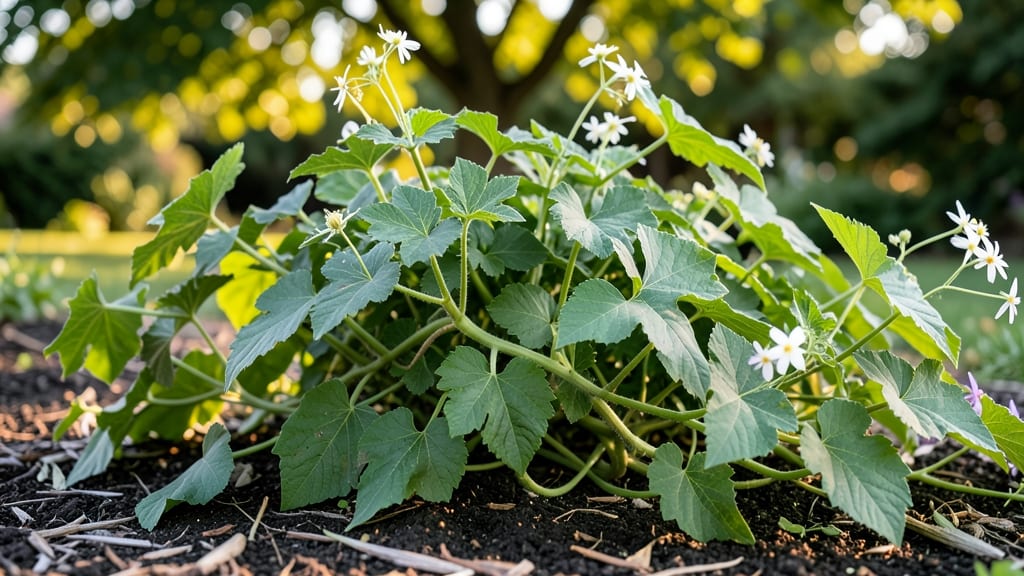
Potato vine ground cover transforms shady spots into lush, vibrant displays that outshine any boring lawn. 🌿 I planted mine last spring along a north-facing foundation, and now it sprawls like a living tapestry, hiding mulch and suppressing weeds effortlessly.
The heart-shaped leaves glow emerald in summer and turn burgundy in fall, while delicate white flowers add a touch of whimsy. This fast-growing vine thrives in partial to full shade, making it perfect for problem areas where grass won't grow.
It spreads aggressively (up to 3 feet per season) but stays contained with edging. My neighbors swear their potato vine spreads faster than kudzu—but unlike kudzu, it's easy to control and completely non-invasive in well-maintained beds.
By late summer, you'll have a dense mat of foliage that smothers weeds and keeps soil moist. The texture is surprisingly soft underfoot, and the scent? Mildly sweet when brushed against. It even attracts pollinators when it blooms, turning your shady corner into a mini ecosystem.
Works best in zones 8-11, but can be grown as an annual in cooler climates. Pair it with hostas, ferns, or shade-loving perennials for a layered look. Just avoid planting near vegetables—this ornamental potato vine is not edible (though it's in the same family!).
📚 In This Guide
- What you need
- Instructions
- Tips and common mistakes
- Wrapping up and next steps
What you need
- ● Potato vine plants (Solanum jasminoides): 6–10 plants per 10-foot section (for dense coverage)
- ● Choose healthy, disease-free cuttings or nursery-grown plants
- ● Pruning shears or sharp scissors (for trimming and propagation)
- ● Garden gloves (to protect hands from thorns)
- ○ Mulch (optional but recommended): 2–3 inches of organic mulch (e.g., wood chips, straw, or shredded leaves)
- ● Helps retain moisture and suppress weeds
- ○ Compost or slow-release fertilizer (optional): 1–2 cups per 10 sq. ft. (for nutrient boost)
- ● Use a balanced 10-10-10 or organic option
- ● Watering can or hose with a gentle spray nozzle
- ○ Stakes or trellis (optional): For vertical gardens or training vines upward
- ● Use bamboo stakes or metal trellises (3–4 ft. tall)
- ○ Plant ties or soft twine (optional) (for securing vines to supports)
- ● Sunlight: Full sun to partial shade (6+ hours of sunlight daily for best growth)
- ● Soil: Well-draining soil (potato vine hates soggy roots!)
- ● pH range: 6.0–7.0 (neutral to slightly acidic)
- ● Space: Spreads aggressively—plant 12–18 inches apart for ground cover
- ● Avoid planting near delicate perennials (it can outcompete them!)
- ● Climate: Hardy in USDA Zones 9–11 (may die back in frost but regrows in spring)
- ● Can be grown as an annual in cooler climates
Step-by-step guide for planting potato vine as a dramatic ground cover
This fast-growing vine transforms shady spots with vibrant foliage—here’s how to plant it for maximum impact.
🌱 Step 1: Choose the Perfect Planting Location
Potato vine thrives in partial to full shade (2–6 hours of indirect light daily), making it ideal for under trees, along north-facing walls, or beneath decks. The key is moist, well-draining soil—this vine despises soggy roots. Test your soil by squeezing a handful: if it crumbles easily, it’s ready. If it sticks together, amend with 2–3 inches of compost to improve drainage.
For year-round coverage, plant in early spring (after last frost) or late summer (before fall temperatures drop below 50°F). I like to sketch the area first—potato vine spreads aggressively, so map out a 4–6 foot diameter per plant to avoid overcrowding. If you’re planting near structures, allow 12–18 inches of clearance for airflow and maintenance.
🪴 Step 2: Prepare the Soil and Plant with Spacing
Loosen the soil to a depth of 6–8 inches with a garden fork or trowel, breaking up compacted layers. Mix in 1–2 cups of balanced fertilizer (10-10-10) per planting hole to give your vine a nutrient boost. Potato vine’s roots are shallow but sprawling, so avoid deep holes—they’ll rot if buried too deeply.
Space plants 18–24 inches apart in rows 2–3 feet apart for a lush, continuous carpet. Dig holes slightly wider than the root ball but no deeper—just enough to accommodate the roots without bending them. Gently tease apart any circling roots before placing the plant in the hole. Water deeply to settle the soil around the roots, then add a 1-inch layer of mulch (like shredded bark) to retain moisture and suppress weeds.
☀️ Step 3: Water and Maintain for Rapid Growth
Keep the soil consistently moist but not waterlogged for the first 4–6 weeks—this is when roots establish. You’ll know it’s right when the top 1–2 inches of soil feel damp like a wrung-out sponge. Overwatering is the biggest mistake; potato vine is drought-tolerant once established but won’t forgive soggy soil. After that, water 1–2 times per week, adjusting for rainfall.
Fertilize once in early summer with a slow-release, low-nitrogen formula (5-10-10) to encourage lush foliage without excessive leaf growth. Prune back 1/3 of the plant in late spring to encourage bushier growth. If you notice yellowing leaves, it’s usually a sign of overwatering or poor drainage—cut back on water and improve soil aeration.
✂️ Step 4: Prune and Control Spread for a Polished Look
Potato vine grows 10–12 feet long in a season, so regular pruning keeps it manageable. Trim back overgrown vines in early summer to 6–8 inches from the base—this encourages denser foliage and prevents it from smothering nearby plants. Use clean, sharp shears and make cuts at a 45-degree angle just above a leaf node to promote new growth.
If your vine starts to spill into unwanted areas, dig up and transplant rogue stems in early spring. The roots are tough, so water thoroughly after transplanting. For a neater edge, pinch back the tips of new growth in late spring to encourage a bushier, more controlled habit. This is also the time to remove any yellow or diseased leaves—dispose of them in the trash, not the compost.
🌿 Step 5: Overwinter and Prepare for Next Season
Potato vine is hardy in USDA zones 9–11 and may die back in colder climates, but it often regrows from the roots in spring. In zones 8 and below, mulch heavily with 4–6 inches of straw or leaves before the first frost to insulate the roots. In spring, remove old mulch and add fresh compost to replenish nutrients before new growth emerges.
If your vine looks lanky or sparse in spring, it’s time to renew it. Cut back all stems to 2–3 inches above the ground in early spring—this shock treatment forces fresh, vigorous growth. You’ll see new shoots in 2–3 weeks, and by summer, your ground cover will be thicker and more vibrant than ever.
Tips & tricks for planting potato vine ground cover
A few strategic moves will help you avoid common pitfalls and create a lush, vibrant ground cover that lasts all season.
Soil Preparation Secret: Before planting, mix in 2–3 inches of compost as instructed, but don't stop there. Add a handful of perlite or coarse sand to improve drainage—this vine will thank you by thriving rather than rotting. I've seen soggy soil turn a once-healthy vine into a sad, yellowing mess in just two weeks. Test your amended soil by squeezing it: it should hold shape but crumble when released, not stick together like wet clay.
Planting Layout Tip: When mapping out your 4–6 foot diameter per plant, consider adding a 2-foot buffer zone around walkways or structures. This extra space prevents the vine from creeping where you don't want it while still allowing full coverage. I sketch the area with chalk first to visualize the spread—it's amazing how quickly those 18-inch spacings fill in! The key is planning for the vine's aggressive growth habit from day one.
Watering Wisdom: That 4–6 week moist-but-not-waterlogged window is critical, but here's what nobody tells you: morning watering is best. Watering in the morning gives leaves time to dry, reducing fungal risks. I set a timer for 10 minutes twice daily during hot spells to maintain consistent moisture without drowning the roots. A soil moisture meter helps—aim for that wrung-out sponge consistency at the 1–2 inch depth mentioned in the instructions.
Pruning Pro Tip: When you trim back overgrown vines in early summer to 6–8 inches, save those cuttings! Place them in water for a few days to root, then transplant them elsewhere in your yard. This free propagation method lets you expand your ground cover without spending a dime. Just be sure to use clean shears and make those 45-degree cuts above leaf nodes—it's the only way to encourage bushier regrowth.
Pro Tips for Potato Vine Plant Ground Cover
- A few strategic moves will help you avoid common pitfalls and create a lush, vibrant ground cover that lasts all season.
- Soil Preparation Secret: Before planting, mix in 2–3 inches of compost as instructed, but don't stop there.
- Planting Layout Tip: When mapping out your 4–6 foot diameter per plant, consider adding a 2-foot buffer zone around walkways or structures.
Frequently asked questions
Is potato vine invasive, and should I worry about it spreading?
Potato vine (Solanum jasminoides) is not considered invasive in most U.S. regions, but it can spread aggressively in warm climates. To control it, prune regularly and plant in containers if needed. Always check local regulations—some areas restrict its use due to its hardy nature.
How long does it take for potato vine to establish as ground cover?
With proper care, potato vine can fill in gaps within 3–6 months. Start with healthy cuttings spaced 12–18 inches apart, and keep soil consistently moist. Once established, it thrives with minimal watering and spreads quickly via vines and runners.
Can I use potato vine under trees, or will it compete with roots?
Yes! Potato vine is shade-tolerant and ideal for under trees, but avoid planting too close to shallow roots. Aim for 3–4 feet away from trunks. Its trailing habit suppresses weeds without smothering tree roots, making it a low-maintenance choice for dappled sunlight.
Are there pests or diseases I should watch for with potato vine?
Potato vine is generally pest-resistant, but watch for aphids or whiteflies in hot, humid climates. Treat with neem oil if needed. Overwatering can cause root rot, so ensure well-draining soil. Yellowing leaves may signal nutrient deficiency—fertilize lightly with a balanced formula if necessary.
What’s a good alternative if I want something with flowers?
If you love potato vine’s drama but want blooms, try Lantana (drought-tolerant, colorful flowers) or Creeping Phlox (spring blooms, low-growing). For year-round coverage with fewer vines, Sweet Potato Vine (Ipomoea batatas) offers similar shade but with edible tubers!
Wrapping up and next steps
Transforming your garden into a lush, low-maintenance paradise with potato vine ground cover is easier than you think! 🌿 This vibrant, fast-spreading plant offers year-round shade, bold foliage, and minimal upkeep—perfect for adding drama to borders, slopes, or even container gardens.
Whether you're a seasoned gardener or just starting out, its adaptability makes it a game-changer for any outdoor space.
Ready to take the next step? Start small—plant a section in a sunny, sheltered spot and watch it thrive. Before you know it, you’ll have a stunning, green carpet that’s both functional and breathtaking. Happy planting! 🌱✨