
Planting
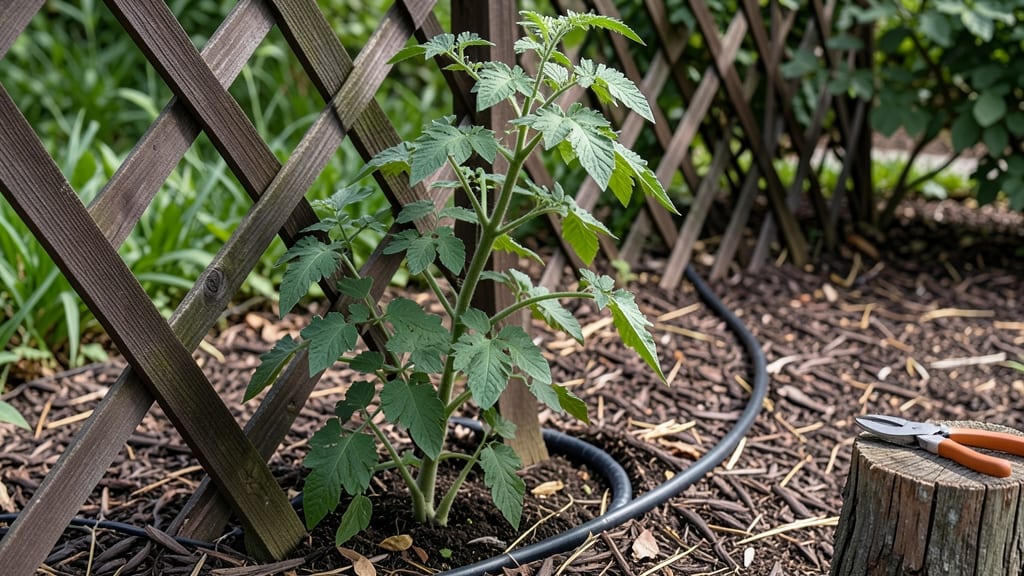
Growing California Weave tomatoes means sun-drenched vines that produce heirloom-sized fruit with minimal fuss. 🌞 I planted mine last spring and ended up with enough tomatoes to share jars of sauce with neighbors—no fancy greenhouse needed, just the right conditions and a little patience.
These indeterminate beauties thrive in Southern California’s heat but adapt well to other warm climates too, as long as you give them proper support and care.
The secret to their success lies in rich, well-draining soil mixed with compost and a sturdy cage or trellis to handle their sprawling growth. They need full sun (6-8 hours daily) and consistent moisture—about 1 inch per week—but avoid wetting the leaves to prevent disease.
My plants started flowering in late May, and the first tomatoes appeared in July, proving that heat doesn’t have to kill your harvest.
Pruning is key: pinch off suckers regularly to focus energy on fruit production, and remove lower leaves to improve airflow. With the right care, you’ll end up with vibrant red, meaty tomatoes that taste like summer in every bite.
The best part? These plants keep producing until frost—sometimes into October if you’re lucky.
Watch for blossom end rot (calcium deficiency) or aphids on new growth, but most issues are easy to fix with organic remedies like crushed eggshells or neem oil. Even beginners can master this variety—just follow the basics, and you’ll be swimming in tomatoes before you know it.
📚 In This Guide
- What you need
- Instructions
- Tips and common mistakes
- Wrapping up and next steps
What you need
- ● California Weave tomato seeds or seedlings: 3–5 plants (start seeds indoors 6–8 weeks before last frost or buy healthy transplants).
- ● Containers or garden bed: Containers: 5-gallon pots or larger (1 plant per container). Ensure pots have drainage holes.
- ● Garden bed: Well-draining soil in a sunny spot (6+ hours of sunlight daily).
- ● High-quality potting mix: 5–10 gallons (sterilized, organic, and amended with compost). Avoid garden soil—it can compact and stunt roots.
- ● Tomato cages or stakes: 6–8 ft tall (2–3 per plant for support). Opt for sturdy, rust-resistant materials like galvanized metal or bamboo.
- ● Balanced fertilizer: 10-10-10 or organic options like composted manure or worm castings (follow package rates for application).
- ● Pruning shears: Sharp, clean pair for trimming suckers and dead foliage.
- ● Mulch: Straw, wood chips, or shredded leaves (2–3 inches thick) to retain moisture and suppress weeds.
- ● Watering can or hose with a gentle spray nozzle: For deep, consistent watering (avoid wetting leaves to prevent disease).
- ● Drip irrigation system: Automates watering and reduces waste.
- ● Epsom salt: 1 tbsp per plant (mixed into soil) for magnesium boost and better fruit production.
- ● Copper fungicide spray: Preventative measure for blight-prone varieties.
- ● Grow lights (for indoor starts): LED or fluorescent lights for seedlings if natural light is limited.
- ● Soil moisture meter: Ensures roots get the right hydration without overwatering.
- ● Garden twine or soft ties: For securing vines to stakes.
Step-by-Step instructions for growing California Weave tomatoes
Here’s how to cultivate these sun-loving vines for a bountiful, trellis-supported harvest.
🌱 Step 1: Choose the Right Variety and Planting Site
California Weave tomatoes thrive in full sun (6+ hours daily) and well-draining soil with a pH of 6.0-6.8. Select a determinate variety—like 'Roma' or 'San Marzano'—since they grow in compact bushes ideal for the weave method. Avoid heavy, clay soil; amend with 2-3 inches of compost to improve drainage and fertility.
I always plant mine in raised beds or mounds to prevent waterlogging. The weave technique works best with 4-6 plants per 4-foot trellis, spaced 18-24 inches apart. This spacing gives vines room to grow without overcrowding, which reduces disease risk. If your soil is sandy, add a slow-release fertilizer at planting to ensure steady nutrient supply.
☀️ Step 2: Install the Trellis and Train Vines Early
Set up your trellis before planting—a 4-foot tall, 4-inch wide wooden lattice works perfectly. Drive sturdy posts into the ground and secure the lattice with galvanized wire or zip ties for durability. The weave method relies on horizontal support, so ensure the lattice has slats spaced 6-8 inches apart for vine attachment.
Once seedlings reach 12-18 inches tall (about 4-6 weeks after transplanting), start weaving. Gently loop the main stem around the first slat, then guide side shoots upward. Use soft plant ties or cloth strips to secure vines—never wire, which can damage stems. This encourages even fruit distribution and prevents breakage from heavy clusters.
💧 Step 3: Water Deeply and Maintain Consistent Moisture
California Weave tomatoes need 1-1.5 inches of water weekly, delivered at the base of the plant to avoid wetting foliage (which spreads disease). I water deeply every 3-4 days in hot weather, checking soil moisture by sticking my finger 2 inches down—if it’s dry, it’s time to water. Drip irrigation is ideal; it delivers water slowly and reduces evaporation.
Mulch with 2-3 inches of straw or wood chips to retain moisture and suppress weeds. Avoid overhead sprinklers after midday—wet leaves in hot sun invite fungal issues like blight. You’ll know your watering is right when the soil feels evenly moist but not soggy, and vines show firm, glossy leaves rather than wilting.
✂️ Step 4: Prune and Harvest for Maximum Yield
Prune sucker growth (the small shoots between the main stem and branches) weekly to redirect energy to fruit production. Use clean, sharp pruners and cut at a 45-degree angle just above a leaf node. For California Weave, focus on removing suckers below the first flower cluster—this prevents overcrowding and improves airflow.
Harvest when tomatoes are fully colored and slightly soft to the touch. For slicing varieties, pick when deep red and firm; for paste tomatoes like Roma, wait until plump and slightly yielding. I harvest every 2-3 days during peak season to encourage continuous production. Use a small knife or pruners to twist fruits gently—never pull, which can damage the vine.
🌿 Step 5: Extend the Season with Proper Care
As temperatures drop below 50°F at night, protect vines with frost cloth or move containers to a sheltered spot. In coastal California, this isn’t usually an issue, but inland growers should monitor forecasts. I also reduce watering slightly in late summer to harden off plants before dormancy.
After harvest, cut back vines to 6 inches tall, remove all debris, and compost healthy plant material. This prevents pests and diseases from overwintering. If you’re in a mild climate, you can leave the trellis up and replant next season—just refresh the soil with compost and a balanced fertilizer before new seedlings go in.
Tips & tricks for perfect California Weave tomatoes
These game-changing techniques will transform your tomato harvest from good to extraordinary.
Trellis Stability is Non-Negotiable: The 4-foot lattice trellis must be anchored securely before planting—even a slight wobble can cause vines to snap when laden with fruit. I drive posts at least 18 inches deep and use two zip ties per slat for maximum stability. This prevents the "domino effect" where one vine's weight pulls down adjacent plants. For windy areas, add a cross-brace between posts for extra reinforcement.
Soil pH Testing Pays Off: That 6.0-6.8 pH range isn't just a suggestion—tomatoes struggle to absorb nutrients outside this window. I test my soil annually and adjust with pelletized lime if needed (raise pH) or sulfur if too acidic (lower pH). The 2-3 inches of compost mentioned in Step 1 also helps buffer pH naturally over time. For container growers, use a soil pH meter specifically designed for pots—regular meters may not be accurate.
Weaving Technique Progression: When training vines in Step 2, start with the main stem only until it reaches the top slat. Only then introduce side shoots—this prevents overloading lower branches. I mark each vine's progress with a colored ribbon at the first slat to track growth. For heavy-fruiting varieties like 'San Marzano', add an extra slat at 3-foot height to distribute weight. The key is gradual adaptation, not forcing vines into the weave too quickly.
Harvest Timing for Flavor: Those 2-3 day harvest intervals during peak season aren't just about yield—they're about flavor development. Tomatoes left too long on the vine concentrate sugars but lose acidity. For paste varieties like Roma, wait until they're slightly soft when gently squeezed—this indicates peak lycopene content. I harvest early morning when temperatures are coolest to preserve texture and prevent bruising during transport.
Pro Tips for California Weave Tomatoes
- These game-changing techniques will transform your tomato harvest from good to extraordinary.
- Trellis Stability is Non-Negotiable: The 4-foot lattice trellis must be anchored securely before planting—even a slig...
- Soil pH Testing Pays Off: That 6.0-6.8 pH range isn't just a suggestion—tomatoes struggle to absorb nutrients outside...
Frequently asked questions
Got questions about growing California Weave tomatoes? You’re not alone! Here are answers to the most common queries to help you cultivate a thriving vine and a bountiful harvest.
What’s the best time to plant California Weave tomatoes?
Plant seedlings after the last frost when soil temps reach at least 60°F (15°C). In California, this is typically mid-April to early June, depending on your microclimate. Start seeds indoors 6-8 weeks before transplanting for a head start.
How long does it take for California Weave tomatoes to produce fruit?
Expect 60-80 days from transplanting to harvest, assuming ideal conditions. Patience pays off—these determinate vines focus energy on fruit production rather than sprawling growth. Pro tip: Prune suckers early to boost yield and speed up ripening!
Can California Weave tomatoes handle heat or cold?
These tomatoes thrive in heat (up to 90°F/32°C) but struggle below 50°F (10°C). Use row covers for early spring/fall or plant near a south-facing wall for warmth. Avoid planting in low-lying areas where cold air pools.
What if my California Weave tomatoes crack or split?
Cracking happens when uneven watering causes rapid growth. Keep soil consistently moist (not soggy) and mulch to stabilize moisture. Quick fix: Harvest overripe tomatoes early to prevent splitting.
Are there alternatives if I can’t grow California Weave tomatoes?
Try determinate varieties like ‘Roma’ or ‘Celebrity’ for similar compact growth. For heat tolerance, consider ‘Heatmaster’ or ‘Solar Fire.’ If space is tight, container gardening works—just ensure pots are at least 12 inches deep!
Wrapping up and next steps
Growing California Weave tomatoes is a rewarding journey that brings vibrant color, unique flavor, and a bountiful harvest to your garden. Whether you're a seasoned gardener or just starting out, these sun-loving vines offer a fun and delicious challenge.
With the right care—sunlight, support, and a little patience—you’ll soon be enjoying homegrown tomatoes that stand out in taste and beauty.
Ready to dive in? Start small—plant a few seeds or seedlings this season and watch your garden transform! 🌱✨ Happy growing!